

Navigating the modern healthcare landscape often feels like solving a complex puzzle without a reference image. Whether you are dealing with a new diagnosis or trying to coordinate care between multiple specialists, the sheer volume of information can be overwhelming. This is where evidence-based medical navigation becomes an essential tool for patients. Unlike standard administrative support, this approach uses rigorous clinical data and validated guidelines to streamline your journey through the health system, ensuring that every decision is backed by the latest medical research. By focusing on your unique clinical profile, navigation helps you secure personalized health guidance that translates complex diagnostic reports into actionable steps. In this guide, we will explore how this proactive framework can simplify your interactions with providers, clarify your treatment options, and ultimately empower you to take a more confident, informed role in managing your long-term health outcomes.
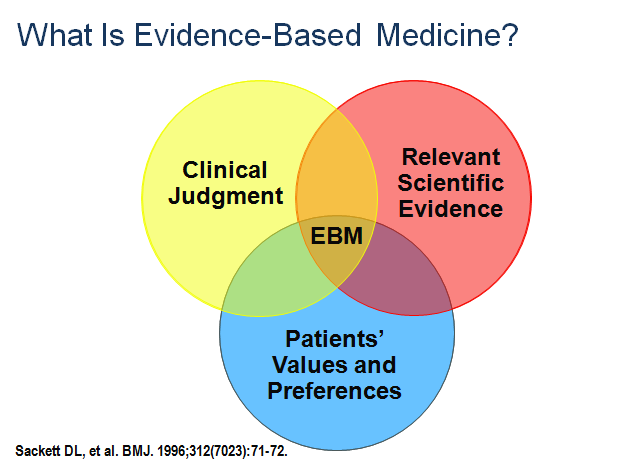
1. Understanding the Clinical Framework of Evidence-Based Medical Navigation
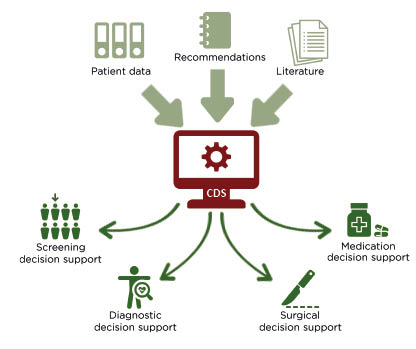
1.1 Defining Evidence-Based Medical Navigation and Its Scope
1.1.1 Distinguishing Clinical Navigation from Concierge Services
Evidence-based medical navigation is a structured, clinical approach to helping patients traverse the complex healthcare landscape. Unlike concierge services, which often prioritize convenience, exclusivity, or administrative perks, clinical navigation focuses on the optimization of health outcomes through the application of medical science. While a concierge service might handle appointment scheduling or offer premium amenities, a medical navigator focuses on ensuring that every step of a patient’s journey—from diagnosis to treatment—is supported by verified medical standards and individual clinical needs.
1.1.2 The Role of Data-Driven Decision Support in Patient Care
At its core, navigation relies on data-driven decision support to minimize diagnostic delays and prevent inappropriate care. Navigators utilize patient-specific metrics, including electronic health records and diagnostic laboratory results, to ensure that the care path remains aligned with the patient’s profile. By leveraging personalized health guidance, the medical team can transform raw health data into actionable insights, allowing patients to move through the healthcare system with greater clarity and precision.
1.1.3 How Scientific Guidelines Inform Navigational Pathways
Navigational pathways are not arbitrary; they are built upon the foundation of clinical practice guidelines established by medical societies and peer-reviewed research. These guidelines dictate the “gold standard” for testing, interventions, and follow-up care. Navigators monitor these pathways to ensure that providers are adhering to the latest scientific evidence, which in turn reduces the risk of physician error and ensures that the patient receives the most effective treatment for their specific condition.
1.2 The Clinical and Economic Impact on Patient Outcomes
1.2.1 Reducing Hospital Readmission Rates Through Proactive Coordination
Proactive coordination is a vital component of medical navigation, particularly for patients transitioning from an inpatient setting to outpatient recovery. By ensuring that post-discharge follow-ups occur within strict windows and that medication reconciliation is performed accurately, navigation programs significantly reduce the rate of preventable hospital readmissions. This systematic approach stabilizes patient health and reduces the financial burden caused by repetitive, emergency-driven care.
1.2.2 Bridging the Gap in Health Literacy and Treatment Adherence
Complexity in healthcare often leads to poor outcomes due to misunderstandings or patient fatigue. Navigators serve as a critical bridge, translating technical medical jargon into actionable, layperson-friendly terms. By enhancing health literacy, navigators empower patients to take an active role in their recovery, which directly improves long-term treatment adherence and overall satisfaction with the healthcare process.
1.2.3 Mitigating Social Determinants of Health for Vulnerable Populations
Beyond clinical intervention, effective navigation addresses the social determinants of health—such as transportation access, financial constraints, and food security. By identifying these barriers early, a medical navigator can connect vulnerable patients with community resources. This holistic focus ensures that health obstacles are addressed comprehensively, allowing the patient to focus on clinical healing rather than logistical crisis management.
1.3 The Multidisciplinary Team Structure
1.3.1 Defining the Responsibilities of Nurse Navigators and Social Workers
Evidence-based medical navigation is rarely the work of a single individual; it requires a multidisciplinary team. Nurse navigators typically manage the clinical components, such as interpreting pathology reports and explaining surgical risks, while social workers manage the psychosocial aspects, ensuring the patient’s environment supports their recovery. This division of labor ensures that all dimensions of a patient’s wellbeing are managed by experts in their respective fields.
1.3.2 Coordinating Care Across Primary Specialists and Facility Departments
Fragmentation is a primary cause of medical error. Navigators act as the central point of contact, facilitating communication between primary care physicians, sub-specialists, and diagnostic facility departments. By ensuring that test results, imaging, and progress notes move seamlessly between departments, the navigation team prevents the duplication of tests and ensures that the entire healthcare team works toward the same evidence-based goals.
2. Implementing Evidence-Based Medical Navigation Strategies for Personal Health
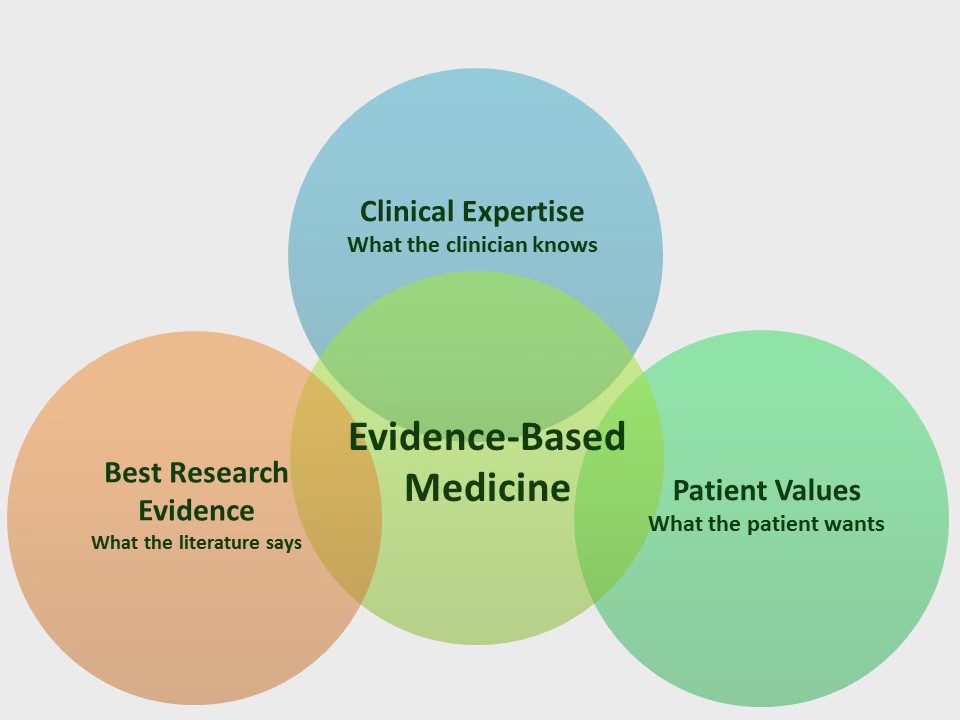
2.1 Assessing Your Need for Professional Navigation Support
Taking control of your healthcare journey starts with recognizing when your current setup is no longer sufficient for your clinical needs. Many patients find themselves overwhelmed by the complexity of modern medicine, especially when managing complex health profiles that require constant coordination.
2.1.1 Evaluating Current Gaps in Your Chronic Disease Management
Effective chronic condition management advice requires more than just attending doctor appointments; it demands a cohesive strategy. If you notice fragmented communication between your specialists, contradictory medication instructions, or an inability to reach your long-term health targets, you are experiencing a “navigation gap.” Assessing these gaps involves auditing your current care team to see if someone is actively synthesizing your clinical data into a unified plan.
2.1.2 Identifying Barriers to Care Like Insurance Denials and Logistics
Barriers to care often manifest as administrative hurdles, such as repeated insurance denials, difficulty securing prior authorizations, or logistical challenges in accessing specialized diagnostics. Recognizing these as systematic, solvable issues—rather than personal failures—is the first step toward seeking navigation support. A skilled navigator can help identify where these bottlenecks occur and implement strategies to bypass them, ensuring your access to timely treatment remains uninterrupted.
2.1.3 Establishing Your Personal Health Goals for Better Communication
Personalized health guidance is only as effective as the clarity of your own objectives. Before seeking navigation support, document what matters most to you, whether it is preserving mobility, managing pain, or reducing polypharmacy. By articulating these goals, you provide your medical team with a roadmap, allowing for more precise alignment between clinical treatments and your personal values.
2.2 A Step-by-Step Approach to Securing and Utilizing Navigation Services
Securing professional navigation is a proactive investment in your health. By integrating structured support, you can move from reactive care to a coordinated system designed for better outcomes.
2.2.1 How to Evaluate Quality and Certification in Navigation Programs
When selecting a navigation service, prioritize organizations that rely on clinical evidence and standardized metrics. Look for programs with board-certified patient navigators or those associated with reputable health systems. You can use clinical treatment outcomes as a benchmark to ensure that the navigation support you choose has a proven history of improving patient results rather than just facilitating paperwork.
2.2.2 Preparing Necessary Documentation for Your First Consultation
Preparation is key to a productive initial navigation session. Gather your comprehensive medication list, recent laboratory results, diagnostic reports, and a summary of current health symptoms. Organizing these documents chronologically allows your navigator to quickly grasp your history and identify immediate areas requiring attention, such as gaps in your current medical triage guidance.
2.2.3 Leveraging Technology and AI in Modern Patient Navigation
Technology now plays a vital role in supporting the navigational process. From patient portals that track vitals to AI-driven tools that summarize complex clinical notes, you should leverage every available digital resource. These tools provide real-time updates and reminders that keep you aligned with your treatment plan between in-person visits.
2.2.4 Integrating Private Resources with Hospital-Provided Systems
Most hospital systems offer internal navigation for specific oncology or cardiology units, but you may need to supplement this with private resources for broader, long-term preventive medicine lifestyle interventions. Building a hybrid model allows you to leverage the deep clinical data held by your hospital while utilizing private support for daily logistical management and lifestyle coaching.
2.3 Addressing Frequently Asked Questions About Medical Navigation
As you formalize your approach to care, common questions often arise regarding the roles and costs associated with professional support systems.
2.3.1 Clarifying the Differences Between Case Managers and Patient Navigators
While often used interchangeably, these roles differ in focus. A case manager is typically employed by a hospital or insurance provider to focus on the business of care, such as discharge planning, utilization review, and insurance approval. A patient navigator acts as a patient advocate, focusing on the clinical journey, health literacy, and bridging the gap between the patient’s personal needs and the medical team’s recommendations.
2.3.2 Navigating Insurance Coverage and Out-of-Pocket Considerations
Insurance coverage for navigation services varies widely. While some specialized oncology navigation is covered by insurance, other forms may be considered concierge or self-pay. Before engaging a service, check if your insurance plan includes case management benefits or if your health savings account (HSA) can be utilized for professional coordination services.
2.3.3 Determining the Efficacy of Family Support Versus Professional Training
Family members provide invaluable emotional support, but professional navigation requires specific knowledge of medical systems and clinical terminology. Professional training ensures that health decisions are based on objective evidence and clinical standards. The most effective approach often involves family members providing the emotional, daily-living assistance, while a professional navigator handles the complexities of medical hierarchy and treatment coordination.
Adopting evidence-based medical navigation is more than just a logistical upgrade to your healthcare routine; it is a fundamental shift toward taking agency over your long-term wellness. By moving away from fragmented, reactive care and toward a structured, data-informed approach, you can better manage chronic conditions, ensure your treatments align with the latest clinical research, and reduce the stress often associated with complex health systems. Whether you are seeking personalized health guidance for a new diagnosis or coordinating care across multiple specialists, the principles of navigation act as your roadmap to improved outcomes.
As you move forward, remember that the most effective path involves active partnership with your healthcare providers. Don’t hesitate to ask questions about the clinical guidelines informing your care, and stay proactive in managing your health data. When you treat yourself as the central stakeholder in your clinical journey, you empower yourself to make informed decisions that prioritize both quality of life and long-term health stability. Start by evaluating your current support systems today, and take the first step toward a more coordinated, confident, and evidence-based future.