

Choosing the right medical care often feels overwhelming, especially when you are trying to navigate the complex landscape of facility quality and safety. Whether you are planning a routine procedure or seeking specialized treatment, understanding the specific healthcare facility ranking metrics used by experts is essential for making an informed decision. These metrics serve as more than just abstract scores; they represent a facility’s commitment to patient safety, operational excellence, and standardized care protocols. By looking beyond marketing materials and examining the data-driven performance indicators that define industry leaders, you can better advocate for your own health journey.
In this guide, we will break down the foundational frameworks used to evaluate medical institutions, from clinical outcomes and regulatory compliance to patient-reported satisfaction. You will learn how to interpret these benchmarks, why data normalization matters in comparing different providers, and how to use this information to choose the best clinical setting for your needs. For those ready to dig deeper into specific quality markers, our guide on clinical treatment outcomes provides a practical roadmap for evaluating the effectiveness of a facility before you ever step through their doors.
1. Understanding the Core Frameworks and Categories of Healthcare Facility Ranking Metrics
1.1 The Evolution of Performance Measurement
1.1.1 Transitioning from Volume-Based to Value-Based Care Models
For decades, the healthcare industry relied heavily on volume-based models, which incentivized the quantity of services provided rather than the health status of the patient. Today, we have moved toward value-based care, a paradigm shift that ties reimbursement and facility reputation to the actual health outcomes achieved. This evolution forces medical centers to prioritize high-quality, cost-effective interventions that keep patients healthy, rather than simply filling hospital beds. Understanding healthcare facility ranking metrics requires recognizing this shift, as modern benchmarks now prioritize the long-term wellness of the patient population over sheer operational throughput.
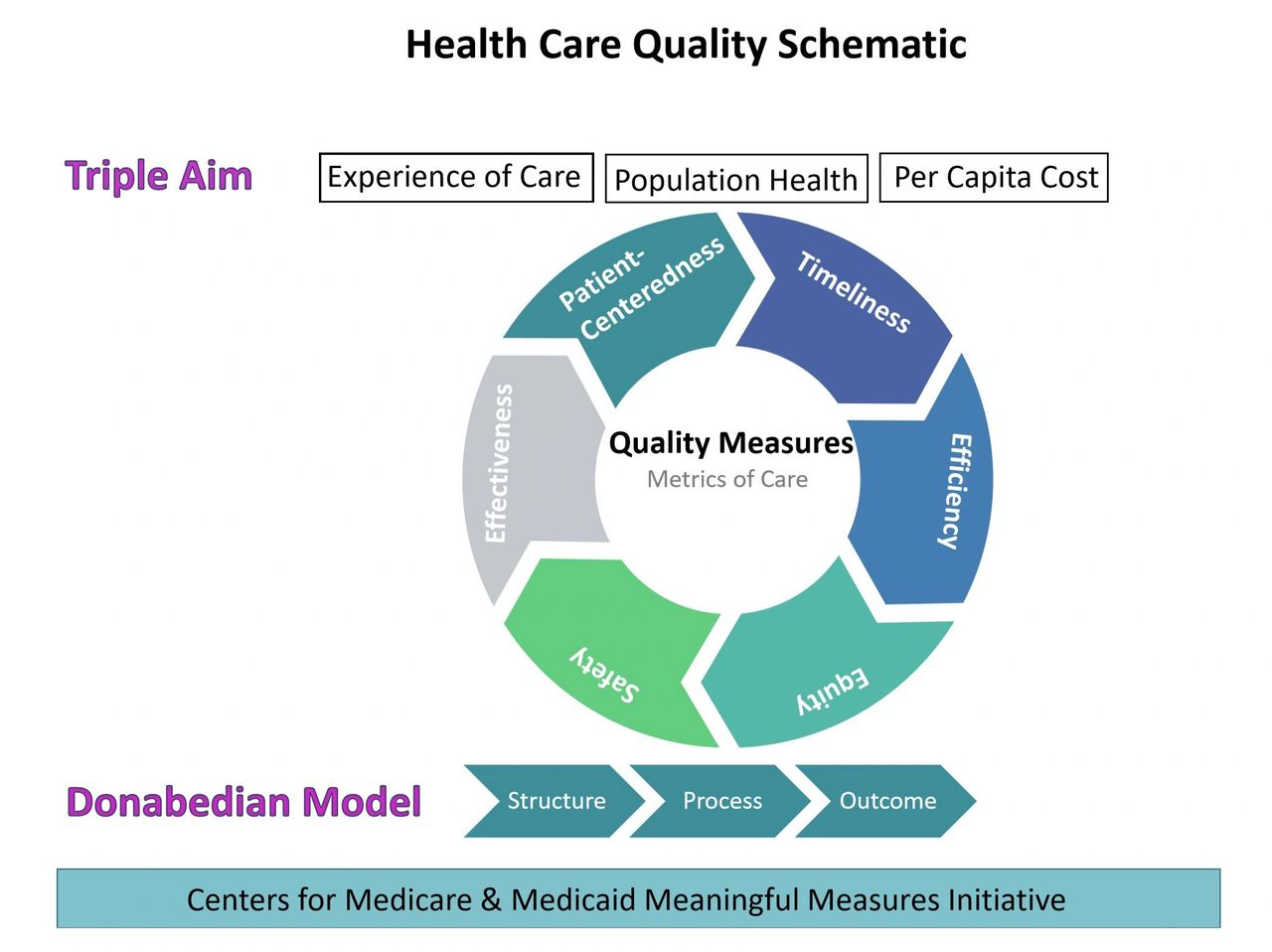
1.1.2 Defining the Six Domains of Quality: Safety, Effectiveness, Patient-Centeredness, Timeliness, Efficiency, and Equity
To standardize evaluations, institutions align with the Institute of Medicine’s six domains of quality. Safety ensures that care is free from accidental injury. Effectiveness guarantees that services are based on scientific knowledge and evidence-based medicine. Patient-centeredness respects individual preferences and values, while timeliness reduces harmful delays. Efficiency avoids waste of equipment, supplies, and energy. Finally, equity ensures that care does not vary in quality due to personal characteristics. These pillars form the bedrock of how top-tier clinical treatment outcomes are measured across the industry.
1.2 Standardized Clinical and Operational Indicators
1.2.1 Clinical Outcomes: Analyzing Mortality, Complication Rates, and Hospital-Acquired Infections
Clinical outcome data provides the clearest window into the technical proficiency of a facility. Mortality rates, when adjusted for patient risk, offer a snapshot of a center’s ability to handle complex pathologies. Similarly, tracking complication rates and the incidence of hospital-acquired infections serves as a critical measure of internal safety protocols and hygiene rigor.
1.2.2 Process Measures: Adherence to Evidence-Based Protocols and Preventive Screening Standards
Process measures assess whether a facility follows best practices during patient interactions. These might include the percentage of patients receiving specific medications for heart failure or adherence to cancer screening guidelines. These metrics are vital because they bridge the gap between clinical intent and actual delivery.
1.2.3 Operational Throughput: Managing Average Length of Stay and Emergency Department Flow
Operational indicators focus on the efficiency of the patient journey. Monitoring the average length of stay and emergency department transit times helps facilities identify bottlenecks that could negatively impact patient care. Effective management here suggests a well-oiled organizational structure.
1.3 Capturing the Patient Perspective
1.3.1 Interpreting CAHPS Survey Data and Patient Satisfaction Benchmarks
Patient experience is no longer anecdotal; it is quantified through Consumer Assessment of Healthcare Providers and Systems (CAHPS) surveys. These metrics capture the “human” element of care—communication quality, staff responsiveness, and environmental comfort. When evaluating healthcare quality benchmarks, high patient satisfaction scores often correlate with better adherence to medical advice and improved recovery trajectories.
1.3.2 The Growing Role of Patient-Reported Outcome Measures (PROMs)
PROMs represent a significant leap forward by gathering data directly from the patient regarding their health status and quality of life. Unlike clinical tests, these metrics reflect the patient’s lived experience, providing a holistic view of whether a treatment truly restored their functionality.
1.4 Data Normalization and Statistical Methodology
1.4.1 The Necessity of Risk Adjustment for Fair Facility Comparison
Because not all facilities treat the same demographics, raw data can be misleading. Risk adjustment is essential to account for variables like patient age, comorbidities, and socioeconomic status. Without this statistical correction, facilities treating the most vulnerable or ill populations would be unfairly penalized for having higher mortality rates.
1.4.2 Understanding Weighting Methodologies in Publicly Reported Ratings
Not all metrics are weighted equally in public reports. Ranking agencies must balance clinical outcomes with patient experience and operational data. Understanding how a specific rating system assigns weight is crucial for stakeholders to interpret healthcare facility accreditation compliance and identify which metrics matter most for their specific needs.
2. Strategic Implementation and Future Optimization of Healthcare Facility Ranking Metrics
2.1 Operationalizing Data for Institutional Excellence
Moving beyond simple data collection, high-performing medical centers treat healthcare facility ranking metrics as a roadmap for clinical and operational evolution. To achieve institutional excellence, leadership must shift from passive observation to active optimization.
2.1.1 Utilizing Benchmarking Tools to Identify Peer-Group Performance Gaps
Benchmarking is the cornerstone of quality improvement. By comparing internal performance against national averages and peer-group standards, facilities can pinpoint specific departments where clinical treatment outcomes fall behind. This gap analysis allows administrators to reallocate resources to areas with the highest impact on patient safety and recovery.
2.1.2 Leveraging Predictive Analytics for Proactive Risk Mitigation
Modern healthcare relies on foresight. Predictive analytics now enable teams to identify patients at high risk for complications before they occur, effectively shifting the focus from reactive treatment to proactive prevention. This integration of data ensures that interventions are timely, directly improving the metrics that define facility success.
2.1.3 Continuous Quality Improvement (CQI) Programs and Staff Engagement
Rankings are not just about numbers; they are about culture. Implementing CQI programs encourages staff at all levels to participate in the refinement of care protocols. When clinicians understand how their daily actions influence clinical treatment outcomes, staff engagement rises, leading to more consistent and higher-quality patient care across the entire facility.
2.2 Navigating Challenges and Ethical Reporting
The journey toward transparency is rarely linear. Facilities must manage the inherent challenges of data reporting to ensure that rankings remain a fair reflection of their commitment to patient welfare.
2.2.1 Mitigating Data Lag and Addressing Socioeconomic Disparities in Rankings
One major hurdle is data lag, where reporting cycles do not reflect the current status of a facility. Furthermore, metrics must be carefully interpreted to account for socioeconomic disparities. If a facility serves a high-risk population with limited resources, raw data may inaccurately penalize them. Adjusting for these social determinants is essential for an ethical and accurate representation of care quality.
2.2.2 Ensuring Data Integrity and Preventing Manipulation in Quality Reporting
As the stakes for public ratings grow, so does the risk of “gaming the system.” Maintaining data integrity requires rigorous, independent oversight. Ethical reporting demands that facilities remain transparent about their performance, even when outcomes are unfavorable, prioritizing patient trust over administrative image.
2.3 The Future of Quality Transparency
Transparency is no longer a static report card; it is becoming a real-time, dynamic reflection of the patient experience.
2.3.1 Integrating Artificial Intelligence and Machine Learning in Automated Reporting
AI is transforming how hospitals track and report quality. By automating data entry and analysis, machine learning algorithms reduce human error and provide a more accurate, longitudinal view of facility performance. This technology helps bridge the gap between complex data sets and actionable management decisions.
2.3.2 The Shift Toward Real-World Evidence (RWE) and Real-Time Quality Transparency
The industry is moving toward RWE, which captures how treatments perform in diverse patient populations outside of rigid clinical trials. This shift toward real-time quality transparency allows patients to view up-to-date metrics, fostering a culture of accountability and informed decision-making.
2.4 Stakeholder Perspectives and Decision-Making
Metrics must ultimately serve the people they are intended to help: the administrators tasked with growth and the patients seeking care.
2.4.1 Practical Applications for Hospital Administration and Strategic Planning
For administrators, these metrics act as a business intelligence tool. They inform long-term strategic planning, help in negotiating value-based care contracts, and justify investments in new medical technology infrastructure assessment and personnel.
2.4.2 Guiding Patients Through Public Quality Portals and Facility Comparisons
For patients, the complexity of public quality portals can be overwhelming. Facilities that simplify this data, explaining what specific benchmarks mean for individual care, empower patients to make choices that align with their personal health goals. By providing clear guidance on how to navigate these rankings, institutions build deeper, trust-based relationships with their community.
Navigating the landscape of healthcare facility ranking metrics requires more than just a surface-level glance at star ratings. As we have explored, true quality is a multifaceted mosaic comprising clinical treatment outcomes, rigorous accreditation standards, and, increasingly, the patient’s own voice. By looking beyond simple volume-based statistics, patients and administrators alike can better identify institutions that prioritize safety, equity, and continuous improvement. Understanding these benchmarks allows you to move past marketing claims and instead rely on evidence-based data to make informed decisions about your health journey.
Whether you are a hospital administrator striving for operational excellence or a patient seeking the highest standard of care, the ability to interpret these performance indicators is an invaluable skill. If you are ready to take a more proactive approach to your medical decisions, we encourage you to learn more about clinical treatment outcomes to ensure you are selecting a provider that aligns with your specific health needs. As transparency in medical reporting continues to evolve, your commitment to informed research remains the most powerful tool for ensuring quality, safety, and better long-term wellness outcomes.