

Navigating the healthcare system can often feel overwhelming, especially when you are trying to ensure that you or your loved ones receive the highest standard of medical attention. Assessing patient clinic experiences is a critical step in taking ownership of your health journey, yet many individuals are unsure how to look past surface-level conveniences to evaluate what truly matters. While an easy booking process or a friendly reception desk is helpful, these factors do not tell the whole story of clinical excellence.
In this guide, we will explore the essential metrics that define high-quality care, helping you distinguish between cosmetic amenities and vital medical standards. By understanding how to conduct thorough quality of care assessments, you can move beyond anecdotal reviews and make informed decisions about your medical providers. Whether you are searching for a new primary care physician or evaluating a specialty facility, learning to identify markers of clinical safety, effective communication, and operational efficiency will empower you to advocate for the health outcomes you deserve.
1. Understanding the Dimensions of Patient Clinic Experiences and Quality Metrics
1.1 Distinguishing Between Patient Experience and Satisfaction
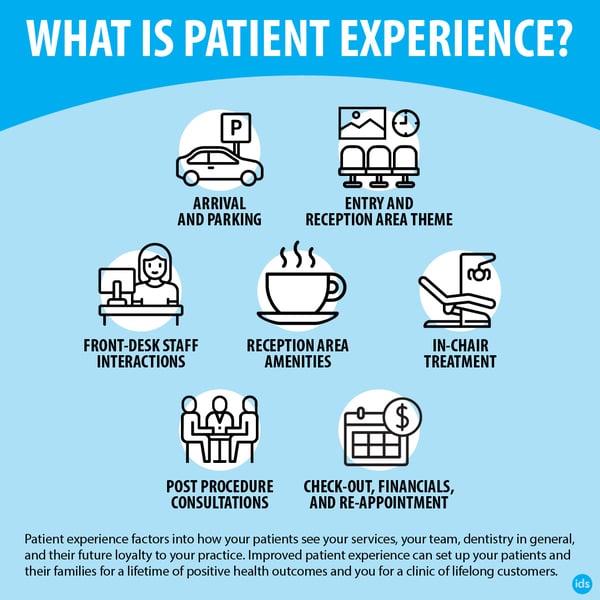
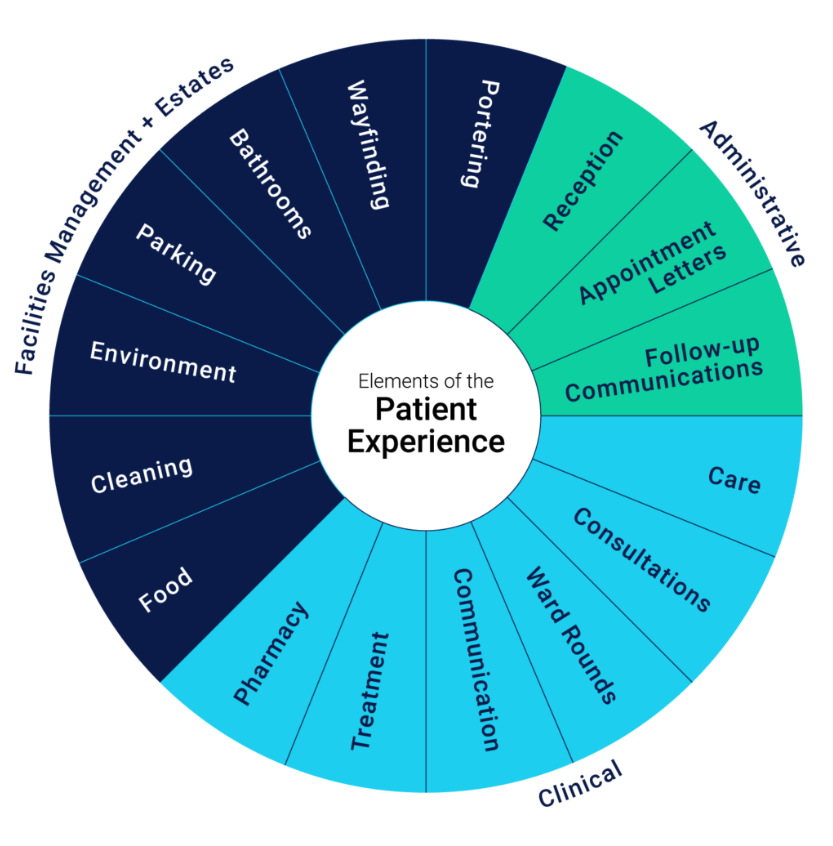
When evaluating a medical facility, it is essential to distinguish between a subjective patient experience and a formal satisfaction rating. Patient experience encompasses the sum of all interactions you have with the healthcare system, from scheduling your first appointment to the ease of navigating the clinic’s digital portal. It is a factual account of what actually occurred during your care journey.
In contrast, patient satisfaction represents your personal feelings and expectations regarding that encounter. While these concepts are often conflated, they serve different purposes. Your experience is what happened; your satisfaction is how you felt about it based on your own preferences. Understanding this distinction helps you avoid bias when reading online reviews, allowing you to focus on the objective logistics of the care provided.
1.1.2 Why clinical effectiveness outweighs surface-level satisfaction
While a warm welcome and a comfortable waiting room are pleasant, they do not necessarily correlate with superior medical outcomes. A clinic may have high marks for “friendliness” while failing to meet rigorous safety standards. Ultimately, the quality of care assessments that matter most are those tied to evidence-based medicine, diagnostic accuracy, and treatment efficacy. Prioritizing clinical success over comfort ensures that your healthcare decisions are driven by medical necessity rather than surface-level amenities.
1.2 Core Pillars of a High-Quality Medical Facility
A truly high-quality facility operates on a foundation of safety and accessibility. First, clinical safety protocols—such as stringent infection control, medication reconciliation, and adherence to evidence-based practice standards—are non-negotiable. These internal safeguards protect patients from preventable errors and ensure consistent treatment paths.
Accessibility is the second pillar. This includes tangible factors like waiting time metrics and scheduling efficiency, but it also extends to the digital landscape. Modern, high-functioning clinics provide intuitive communication portals that allow for seamless secure messaging and prescription management. When a clinic values your time through organized workflows, it often reflects a broader commitment to operational excellence.
Finally, a patient-centered care model must include cultural competency. This means the clinical team is trained to respect individual values, preferences, and diverse backgrounds, ensuring that the care plan is tailored to the patient’s specific life circumstances rather than a one-size-fits-all approach. You can learn more about identifying these high-level standards by exploring quality of care assessments to better navigate your local medical landscape.
1.3 Utilizing Quantitative Data to Assess Clinics
Before choosing a provider, it is helpful to look beyond anecdotal evidence and utilize quantitative data. Official Consumer Assessment of Healthcare Providers and Systems (CAHPS) survey scores offer a standardized way to compare patient satisfaction ratings across different facilities. These scores are often audited and adjusted to ensure they reflect a representative sample of patient experiences.
In addition to surveys, always verify facility accreditations and physician credentialing. Reputable organizations like The Joint Commission or state-specific medical boards provide public records of a clinic’s adherence to regulatory benchmarks. Finally, consider how well a clinic integrates electronic health records (EHR). Robust EHR systems are critical for continuity of care; they ensure that your medical history, test results, and specialist notes move seamlessly with you, preventing the diagnostic gaps that often occur in fragmented healthcare environments.
2. Evaluating and Improving Your Personal Patient Clinic Experiences

2.1 A Strategic Framework for Clinic Assessment
Taking a methodical approach to evaluating your healthcare providers can transform your patient clinic experiences from passive observations into active health management. Before you even step into the exam room, consider the administrative foundation of the practice.
Begin by verifying billing transparency. A high-quality clinic should be able to provide clear estimates for common procedures and explain their insurance compatibility without hesitation. If a facility is evasive about costs or cannot clearly articulate their network status, it often signals a lack of operational organization that may translate to your clinical care. You can find more guidance on how to manage these administrative hurdles by exploring health plan interpretation and coverage to ensure you aren’t blindsided by unexpected fees.
When you arrive, assess the administrative efficiency of the check-in process. Notice whether staff members greet you promptly, handle your private data securely, and maintain an organized flow. Efficiency here often reflects how well the practice communicates internally. Finally, consider the physical environment. Look for signs of cleanliness, such as organized waiting areas and sterile exam rooms. Privacy is equally critical; check that your conversations with receptionists are not easily overheard by other patients and that your medical files are handled with professional discretion.
2.2 Identifying and Addressing Quality Red Flags
Even in highly regarded facilities, it is vital to remain vigilant. Recognizing potential warning signs allows you to intervene before a minor issue becomes a systemic problem in your care plan.
A primary red flag is the feeling of being rushed or dismissed. If your physician seems disengaged, consistently interrupts you, or ignores your concerns about specific symptoms, the quality of your care is likely compromised. Effective medical care requires a partnership; if the provider is not listening, they cannot accurately diagnose or treat your unique needs.
Disorganization is another major concern. If you frequently find that your test results are missing, your medical records are out of date, or you have to repeat your health history multiple times across different visits, this suggests a breakdown in administrative communication. Furthermore, be cautious of pressure to undergo elective screenings or costly procedures that were not clearly discussed or justified by your medical history. Always request a clear rationale for any recommendation.
2.3 Proactive Advocacy and Personal Empowerment
You are the most important member of your healthcare team. Becoming a proactive advocate for your own health ensures that your needs are met and that you receive the highest standard of care.
During your appointment, ask targeted questions to verify quality. Instead of general inquiries, try asking, “What is the evidence-based reasoning for this treatment plan?” or “How will this specific intervention improve my long-term outcomes?” These questions encourage the provider to be more intentional with their explanations.
If you find that your needs are not being met, utilize official channels to provide constructive feedback. Most clinics value patient input and use it to refine their service delivery. However, there are limits to what feedback can fix. If you consistently feel unheard, unsafe, or confused by your care path, do not hesitate to seek a second opinion. Transferring your care to a new provider is a standard, responsible step in health management. Your goal should always be a medical relationship built on mutual respect, clear communication, and reliable, evidence-based results.
Evaluating your patient clinic experiences is a proactive step toward taking control of your health journey. By moving beyond subjective impressions and looking at objective markers—such as clinical safety protocols, wait times, and clear communication—you can ensure that the care you receive is both safe and effective. Remember that high-quality healthcare is a partnership; it relies on your ability to ask the right questions, advocate for your needs, and hold providers accountable for the standards of care they deliver.
As you navigate different medical environments, keep in mind that the best facility for you will balance technical excellence with a compassionate, patient-centered approach. Whether you are seeking a primary care physician or a specialized diagnostic center, you can learn more about finding the right fit in our guide to how to find the best healthcare providers. You are the most important member of your healthcare team, and by utilizing these assessment frameworks, you empower yourself to make informed decisions that lead to better long-term wellness outcomes. Stay observant, trust your instincts, and never hesitate to seek a second opinion when your peace of mind is on the line.