

In today’s value-based care environment, the way a facility captures patient experiences is just as important as the clinical outcomes themselves. Developing robust patient feedback documentation standards is no longer an optional administrative task; it is a fundamental requirement for maintaining high levels of medical service quality and organizational accountability. When clinical teams standardize how they collect, categorize, and respond to patient perspectives, they transform anecdotal observations into actionable insights that drive sustainable improvement.
This guide explores the essential components of creating a reliable feedback infrastructure. Whether you are managing a complex hospital system or a specialized practice, understanding how to transition from informal collection to structured data management is critical. We will examine how to integrate these practices into your daily operations to ensure transparency, support regulatory compliance, and bolster your overall healthcare provider reputation management. By implementing these systematic approaches, your organization can better identify service gaps, refine care delivery, and ensure that every patient voice contributes to a culture of continuous clinical excellence and long-term trust. For further insights on how these processes integrate into broader organizational goals, you can review our standards for boutique medical practice standards for clinical excellence.
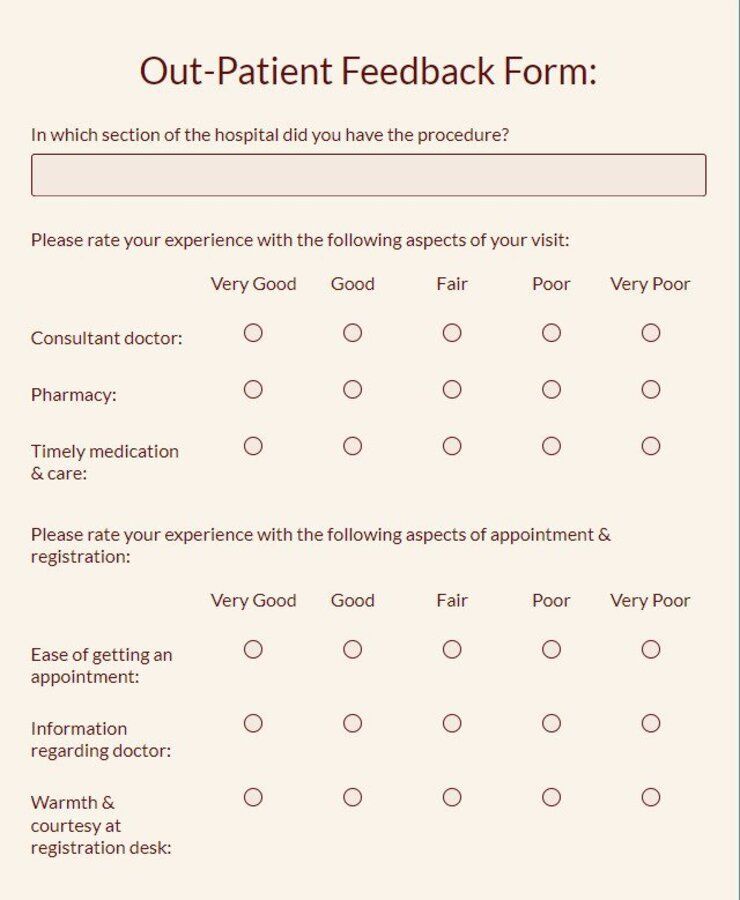
1. Establishing Patient Feedback Documentation Standards for Clinical Excellence
For modern medical practices, the way you capture and store patient input is as critical as the clinical care itself. Robust patient feedback documentation standards provide the structural foundation needed to transform raw anecdotal comments into actionable medical service quality insights. By standardizing how you record, categorize, and archive patient perspectives, your facility moves beyond passive listening toward a proactive model of continuous improvement.
1.1 Regulatory Requirements and Compliance Frameworks
1.1.1 Navigating Joint Commission Performance Measurement Standards
The Joint Commission emphasizes that patient-centered care relies on active listening and formal evaluation. Aligning your documentation with these standards means ensuring that every feedback touchpoint—whether a survey or a verbal report—is logged with specific metadata. This creates an audit trail that demonstrates your commitment to identifying and addressing gaps in patient satisfaction.
1.1.2 Ensuring HIPAA Security in Feedback Data Storage and Transmission
Feedback often contains Protected Health Information (PHI) if patients mention specific conditions, providers, or dates of service. To maintain compliance, all documentation must exist within encrypted, HIPAA-compliant databases. Access controls are essential; only authorized personnel should view identifiable feedback, ensuring that the pursuit of quality improvement never compromises patient privacy.
1.1.3 The Impact of Standardized Reporting on Reimbursement and Accreditation
Accrediting bodies and payers increasingly look for evidence of service excellence. By maintaining rigorous documentation standards, clinics can pull clear, quantifiable reports that demonstrate institutional progress. This objective evidence is invaluable when seeking certification or demonstrating value-based care outcomes, which directly affects your facility’s ability to maintain top-tier accredited healthcare facility status.
1.2 Architecting a Consistent Documentation Lifecycle
1.2.1 Data Architecture Requirements for Patient Demographics and Service Touchpoints
Effective documentation requires capturing context. Beyond just the feedback, your database should automatically link comments to specific service touchpoints, such as check-in times, nurse interactions, or billing processes. This architectural consistency ensures that when leadership reviews the data, they understand the exact setting in which the experience occurred.
1.2.2 Qualitative Versus Quantitative Data Entry Methodologies
Standardization requires a hybrid approach. Quantitative data—such as Likert scale ratings—provides a high-level view of performance trends over time. Meanwhile, qualitative data, such as narrative summaries of patient concerns, offers the “why” behind the numbers. Balancing these ensures you capture both the statistical reality and the human experience.
1.2.3 Utilizing Standardized Coding Schemas for Categorical Feedback Analysis
To prevent information silos, implement a standardized coding schema. Assigning categories—such as “Communication,” “Facility Cleanliness,” or “Wait Times”—to every piece of incoming feedback allows your team to perform clinical sentiment analysis methods effectively. By using uniform tags, your organization can identify systemic issues quickly and track the success of specific interventions over successive quarters.
2. Implementing Strategic Documentation Workflows and Technological Integration
Adopting robust patient feedback documentation standards requires more than just collecting comments; it demands a systematic approach to operationalizing data so it directly informs clinical service quality. By moving away from anecdotal recording and toward structured, replicable workflows, medical practices can effectively transform patient experiences into actionable intelligence.
2.1 Operationalizing Feedback Collection and Verification
Consistency begins at the point of contact. Implementing real-time digital collection and bedside survey techniques allows providers to capture feedback while the patient experience is fresh. This immediacy minimizes memory bias and ensures higher response rates. Whether through tablet-based kiosks in the waiting area or automated post-visit emails, the goal is to make documentation a seamless part of the clinical workflow rather than an afterthought.
Verification protocols are equally vital to ensure data integrity and accuracy. Clinics should implement a “closed-loop” validation process, where recorded feedback is audited against patient encounters to filter out noise or identify reporting errors. Establishing clear governance for periodic auditing—which includes defining who has data access controls and how sensitive information is anonymized—protects patient privacy while maintaining the utility of the feedback loop. This internal oversight ensures that the insights used for clinic feedback analysis are both representative and reliable.
2.2 Scaling Improvements Through Advanced Technology and Staff Training
Modern documentation workflows should integrate feedback data directly into Electronic Health Records (EHR) where appropriate. This centralizes patient sentiment alongside clinical outcomes, providing a holistic view of the care journey. By leveraging natural language processing for unstructured feedback sentiment analysis, practices can interpret vast amounts of open-ended text to identify systemic themes that numerical surveys might overlook, such as nuances in staff communication or facility environment.
However, technology is only as effective as the training that supports it. Best practices for eliminating bias and training staff on objective documentation are essential to prevent skewed results. Staff must learn how to solicit feedback without leading the patient, ensuring that all entries remain professional and evidence-based. Ultimately, the objective is to transform raw documentation trends into clear, measurable clinical improvement goals. By routinely reviewing these data-driven benchmarks, leadership can pivot operational strategies to enhance patient care, ensuring that documentation serves as a foundational pillar for continuous organizational excellence.
Mastering patient feedback documentation standards is far more than a regulatory box-ticking exercise; it is the foundation for sustainable growth and long-term trust in any modern medical practice. By moving toward a standardized, tech-enabled, and objective framework, providers can transform raw patient sentiment into actionable insights that drive real improvements in care quality. Whether you are refining your internal data governance or looking to better align with evolving accreditation requirements, the shift toward structured documentation allows you to identify gaps in service delivery before they escalate into formal complaints.
Ultimately, your commitment to transparent and rigorous documentation is a powerful tool for healthcare provider reputation management. Patients today value clinics that listen, adapt, and demonstrate a clear dedication to their evolving needs. As you continue to integrate advanced analytics and staff training protocols, remember that every piece of feedback captured is an opportunity to strengthen your patient-centered approach. By consistently applying these standards, you not only improve clinical outcomes but also build a resilient, reputation-focused organization that stands out in a competitive landscape.