

Choosing the right healthcare provider is one of the most significant decisions you can make for your long-term wellness. With so many options available, many patients turn to best clinic reviews to gauge whether a facility aligns with their specific medical needs and personal expectations. However, navigating the digital landscape of healthcare feedback can be overwhelming. Simply looking at a star rating often fails to tell the full story regarding medical service quality or the nuances of the patient experience. To make an informed decision, you need to look beyond the surface level of public testimonials and understand how to weigh data, identify red flags, and prioritize your own health values. This guide will help you decode complex patient satisfaction ratings and empower you to choose a facility where transparency and excellence are the standard, ensuring you feel confident and supported throughout your entire healthcare journey.

1. How to Evaluate and Interpret the Best Clinic Reviews

When searching for the best clinic reviews, it is easy to become overwhelmed by the sheer volume of subjective opinions scattered across the internet. To make an informed decision regarding your health, you must look past simple star ratings and learn to weigh data against personal anecdotes. Understanding how to filter through public feedback allows you to identify providers who truly prioritize medical service quality rather than just those with the most visible marketing presence.
1.1 Distinguishing Between Verified Patient Data and Anecdotal Feedback
Not all reviews are created equal. You should prioritize data that is tied to actual patient outcomes over anonymous comments. While personal stories can provide helpful context regarding a staff member’s bedside manner, they often lack the objective detail required to judge overall clinical performance.
1.1.1 Understanding Standardized HCAHPS Scores Versus Public Star Ratings
Public star ratings on search engines are often influenced by non-clinical factors, such as parking availability or office aesthetics. In contrast, HCAHPS (Hospital Consumer Assessment of Healthcare Providers and Systems) scores provide a standardized, rigorous framework for measuring patient satisfaction ratings. These scores are designed to be uniform, allowing you to compare facilities on metrics like communication clarity, pain management, and discharge planning. Relying on these standardized tools offers a more reliable, evidence-based view of a facility’s commitment to excellence than a handful of unverified online comments.
1.1.2 Identifying the Impact of Response Bias in Online Healthcare Platforms
It is vital to account for response bias when reading reviews. Often, patients who had extreme experiences—either exceptionally positive or deeply frustrating—are the most motivated to post online. This creates a skewed representation of the clinic’s standard operations. As you explore patient satisfaction ratings, consider that a large volume of high-quality, verified testimonials is more indicative of consistent performance than a few outliers.
1.2 A Practical Framework for Analyzing Clinic Reputation
Establishing a reputation is a long-term endeavor for any medical provider. By using a systematic approach, you can strip away the noise of marketing and focus on how a clinic manages its relationship with patients.
1.2.1 How to Identify Red Flags Such as Astroturfing and Suspiciously Uniform Reviews
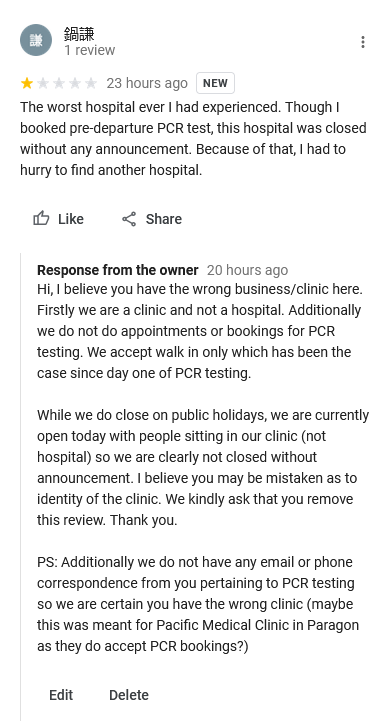
When reviewing patient care testimonials, look for patterns that feel scripted or overly uniform. If a clinic has a sudden surge of five-star reviews that all focus on generic praise without specific details, it may be a sign of astroturfing or paid reputation management. Conversely, a transparent facility will showcase varied experiences—including constructive criticism—that acknowledge the complexity of the patient journey.
1.2.2 Assessing Clinic Management Through Professional Responses to Negative Feedback
The best way to gauge a clinic’s culture is to see how they handle failure. A facility that responds to negative feedback with empathy, accountability, and a clear request to resolve the issue privately demonstrates a high level of healthcare facility transparency. Avoid clinics that react defensively or dismiss patient concerns in public forums, as this often mirrors their approach to clinical conflict resolution.
1.3 Establishing Your Personal Priorities Before Choosing a Provider
Ultimately, the “best” clinic is the one that aligns with your specific health needs and personal comfort levels. Before committing to a provider, take a moment to define what “quality” means to you.
1.3.1 Creating a Decision-Making Rubric for Comparing Clinical Facilities Side-by-Side
Create a simple grid to evaluate clinics based on your non-negotiables. Include columns for clinical outcomes, proximity, insurance compatibility, and the responsiveness of administrative staff. By assigning a weight to each category, you can objectively compare facilities rather than relying on an emotional reaction to a singular review.
1.3.2 Determining the Weight of Administrative Efficiency Versus Clinical Bedside Manner
You must decide if you prioritize a seamless, tech-enabled experience—such as easy appointment booking and quick wait times—or if you place more value on a long-term, high-touch relationship with a physician who is known for their bedside manner. Recognizing these trade-offs early helps you filter reviews for the information that truly impacts your satisfaction as a patient.
2. Advanced Metrics and Clinical Quality Standards Beyond Best Clinic Reviews
While patient testimonials offer a window into the subjective experience, they only tell part of the story. To truly assess the medical service quality of a facility, you must look past individual opinions and toward standardized, clinical performance data. By shifting your focus from star ratings to concrete indicators, you can better understand the underlying competency and reliability of the medical teams you are considering.
2.1 Interpreting Quantitative Performance Indicators in Healthcare
Quantitative data provides a scientific baseline for evaluating how a clinic functions under pressure. Unlike subjective reviews, these metrics are designed to track operational efficiency and patient safety protocols systematically.
2.1.1 Using Net Promoter Scores to Gauge Long-Term Patient Loyalty
The Net Promoter Score (NPS) has become a vital metric for clinics aiming to measure long-term patient loyalty. Unlike a simple star rating, an NPS asks one fundamental question: How likely are you to recommend this facility to a friend or family member? A high score indicates that patients are not just satisfied with a one-time visit, but trust the provider enough to entrust their loved ones to their care. When researching, look for clinics that openly discuss their commitment to improving these scores through clinic feedback analysis, as this demonstrates an organizational commitment to continuous improvement.
2.1.2 Balancing Subjective Patient Experiences With Objective Clinical Outcome Data
The most informed patients know how to balance the “human element” with raw statistics. While a patient may leave a five-star review because of a friendly receptionist, their actual health outcome may rely on more technical benchmarks, such as infection rates, surgical complication stats, or diagnostic accuracy. It is essential to recognize that a clinic can be incredibly welcoming while still lacking the advanced infrastructure required for your specific needs.
2.2 Contextualizing Clinical Excellence and Organizational Standards
True quality is often found in the regulatory rigor a clinic applies to its internal processes. Official benchmarks serve as a protective layer, ensuring the care you receive meets recognized national or international standards.
2.2.1 The Role of Official Certifications and Hospital Accreditations in Verification
Official accreditations are the gold standard for verifying that a facility adheres to strict safety and quality protocols. These certifications require external auditors to review everything from emergency preparedness to medical record security. When evaluating a clinic, look for seals from recognized health governing bodies or specialized medical associations. These badges of honor represent a third-party endorsement of the facility’s processes, which is far more reliable than anonymous online reviews.
2.2.2 Why High Patient Satisfaction Scores Do Not Always Equal Better Medical Outcomes
It is a common misconception that the most popular clinics are always the most medically effective. Patient satisfaction surveys often measure service-related variables, such as parking availability, wait times, or the comfort of the waiting room. While these factors contribute to a positive experience, they are not always correlated with clinical success. Sometimes, high-acuity environments, such as top-tier research hospitals, may report lower satisfaction scores due to the complexity of the cases they handle and the inherently stressful nature of specialized medicine.
2.3 Navigating Nuanced Situations During the Selection Process
Selecting a medical provider often involves deciphering complex signals. Understanding the context behind different types of complaints or variations in clinic performance can save you from making a hasty decision based on incomplete information.
2.3.1 Differentiating Between Systemic Policy Complaints and Actual Medical Negligence
When reading reviews, it is helpful to categorize the nature of the feedback. Complaints regarding billing issues, appointment scheduling, or facility décor are distinct from concerns regarding physician bedside manner or clinical errors. Systemic policy issues can be frustrating, but they do not necessarily reflect the caliber of the medical care itself. You should weigh feedback regarding technical skill and communication with your provider far more heavily than logistical frustrations.
2.3.2 Why Top-Tier Research Hospitals May Report Lower Patient Satisfaction Than Smaller Clinics
Large research institutions often manage the most critical, life-altering medical cases, which can lead to higher baseline stress for patients and families. These facilities operate on complex triage systems where wait times may be unpredictable. Smaller, boutique clinics often have the luxury of prioritizing comfort and efficiency, which can lead to higher patient satisfaction ratings. Recognizing this difference in scope helps you understand that a lower score at a major teaching hospital does not necessarily imply a lack of clinical excellence.
Navigating the complex landscape of healthcare requires more than just a quick glance at star ratings. By distinguishing between subjective patient care testimonials and standardized medical service quality indicators, you can move beyond simple popularity contests to make an informed decision about your health. Remember that while public feedback is a valuable starting point, it should always be balanced with objective clinical data, such as accreditation status and verifiable patient outcome measures.
Your search for the best clinic reviews should ultimately lead you to a provider that aligns with your unique clinical needs and personal values. Whether you prioritize administrative efficiency or specialized clinical expertise, use the decision-making framework outlined here to filter out the noise and focus on what truly matters: your long-term health and safety. For a deeper understanding of how to evaluate facilities effectively, you can explore our comprehensive guide on healthcare facility transparency. By taking the time to vet your options thoroughly, you ensure that you are partnering with a medical team committed to excellence and transparency, setting the stage for a positive and successful care journey.