

In recent years, the landscape of patient-centered care has shifted significantly toward digital accessibility. An online health consultation offers a convenient, efficient, and increasingly effective way to manage your well-being without the need for a physical office visit. Whether you are seeking quick medical advice for a minor ailment or looking for long-term support for a chronic condition, understanding how to navigate this virtual space is essential for achieving the best possible health outcomes. By leveraging tools like a telehealth patient journey framework, patients can now receive high-quality, professional medical guidance from the comfort of their own homes.
This guide explores the essentials of virtual care, from preparing for your appointment to ensuring your data remains secure. You will learn how to distinguish between conditions suitable for remote triage and those requiring urgent, in-person attention, ultimately empowering you to make informed decisions about your healthcare experience.
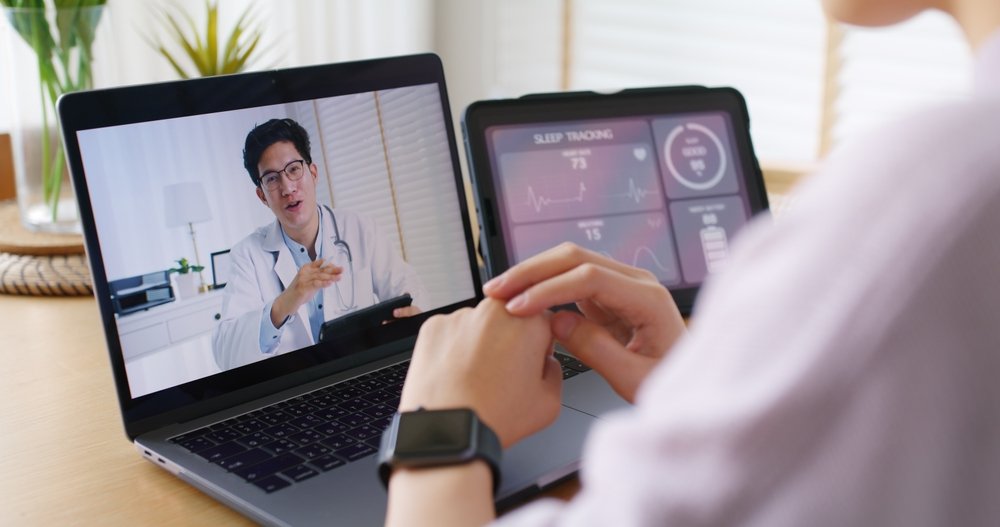
1. Navigating Online Health Consultation Services and Best Practices

1.1 Understanding the Scope of Virtual Medical Care
1.1.1 Defining Telehealth and Telemedicine
While often used interchangeably, these terms represent distinct aspects of modern care. Telemedicine specifically refers to the remote clinical services provided by a healthcare professional—such as diagnosing a condition or reviewing test results—via video or audio technology. Telehealth, however, encompasses a broader scope of digital health tools, including remote patient monitoring, mobile health apps, and administrative platforms that support the overall telehealth patient journey. Understanding this distinction helps you better utilize the resources available to manage your health.
1.1.2 Distinguishing Between Urgent Care and Scheduled Consultations
Selecting the right service tier is vital for efficient care. Virtual urgent care is designed for acute, non-life-threatening issues like sinus infections, rashes, or minor respiratory symptoms. Conversely, scheduled consultations are intended for non-emergent concerns, such as medication adjustments, mental health support, or routine follow-ups. Knowing the difference ensures you connect with the appropriate level of expertise without unnecessary delays.
1.1.3 The Role of Digital Health Coaching in Chronic Disease Management
Beyond acute illness, virtual platforms provide essential support for long-term health. Through chronic condition management advice, providers can help patients monitor vitals, track medication adherence, and refine daily routines. These interactions transform the traditional passive patient role into an active partnership, fostering better health outcomes through consistent guidance and digital accountability.
1.2 Determining When to Seek Virtual Versus In-Person Medical Attention
1.2.1 Ideal Symptoms for Virtual Triage
Virtual triage is highly effective for issues that do not require a hands-on physical exam. Common candidates include cold and flu symptoms, allergies, skin irritations, and medication refills. By performing a digital symptom assessment, you and your provider can efficiently determine if a virtual solution is sufficient or if an in-office visit is necessary to reach a diagnosis.
1.2.2 Recognizing Red Flags That Require Emergency Room Intervention
Not all conditions are suitable for remote care. You must seek immediate in-person emergency care if you experience chest pain, difficulty breathing, severe bleeding, signs of a stroke, or loss of consciousness. Telehealth should never replace emergency services for life-threatening symptoms; it acts as a supplement to, not a replacement for, high-acuity medical care.
1.2.3 Adopting a Hybrid Healthcare Model for Labs and Examinations
Many patients now utilize a hybrid approach, combining virtual consults with periodic in-person visits for lab work or physical exams. This model leverages the convenience of remote discussions to manage preventive medicine lifestyle interventions while ensuring that diagnostic screenings remain accurate and comprehensive.
1.3 Essential Preparation Steps for a Successful Digital Encounter
1.3.1 Compiling Your Electronic Medical History and Symptom Log
Efficiency in a virtual space depends on preparation. Before logging in, compile a concise list of your current medications, known allergies, and a log of your symptoms. Providing this data upfront allows your provider to focus on clinical decision-making rather than administrative data entry.
1.3.2 Optimizing Your Technical Environment for Video Connectivity
A stable, private connection is the foundation of a successful call. Ensure your device is charged, your internet connection is stable, and you are in a quiet, well-lit space. Testing your camera and microphone beforehand prevents technical friction and ensures the focus remains on your health goals.
1.3.3 Formulating Key Questions to Maximize Provider Interaction
Time during a virtual consultation is valuable. Write down three to five primary concerns or questions before the call starts. This strategy ensures you leave the appointment with a clear understanding of your diagnosis and the next steps for your treatment plan.
1.4 Standardizing Your Expectations for the Virtual Appointment
1.4.1 Navigating the Digital Workflow from Registration to Consultation
The patient flow typically involves a secure portal registration, where you verify insurance and fill out digital intake forms. Once completed, you enter a virtual waiting room before the provider initiates the session. Understanding this standard workflow reduces anxiety and helps you navigate the platform with confidence.
1.4.2 Effective Communication Strategies for Remote Physical Assessments
Since the doctor cannot touch you, you become the instrument of the physical exam. Be prepared to point the camera at specific areas, describe sensations accurately, or check your own pulse if requested. Clear, descriptive language is your most powerful tool during a remote clinical assessment.
1.4.3 Receiving Digital Prescriptions and Follow-Up Care Plans
At the conclusion of your visit, your provider will typically send prescriptions directly to your pharmacy. Additionally, you should receive a digital summary of your visit, including treatment instructions and details on how to schedule any required follow-up appointments. Always verify that your digital records are accessible for your future reference.
2. Evaluating Quality, Security, and Costs in Online Health Consultation Platforms

2.1 Vetting Providers and Ensuring Regulatory Compliance
When you choose an online health consultation service, the credentials of the medical professional are just as important as they would be in a traditional office. Before booking, take the time to verify that the provider is board-certified in their specialty and licensed to practice within your state. Many reputable platforms provide profile pages detailing a physician’s education, residency, and board certifications, which adds a layer of transparency to the process.
Security is equally critical in the digital age. Ensure that the platform you select complies with the Health Insurance Portability and Accountability Act (HIPAA). This federal law protects your sensitive patient health information from unauthorized access. Look for indicators of robust data encryption, such as end-to-end encrypted video feeds and secure messaging portals, which protect your data both in transit and at rest. Additionally, review the provider’s informed consent document; this should clearly explain your patient rights, how your health data is stored, and what you can expect in terms of privacy during remote sessions.
2.2 Navigating Insurance Coverage and Financial Considerations
The financial aspect of telehealth is evolving rapidly, with many insurance providers now treating virtual visits similarly to in-office appointments. Before scheduling your first consultation, contact your insurance carrier to confirm your in-network benefits for virtual services. Understanding your specific plan’s coverage for digital health can help you avoid unexpected bills later on.
If you are paying out-of-pocket, be aware of the different billing models used by online clinics. Some platforms operate on a pay-per-visit basis, while others utilize a subscription or membership model, which may be more cost-effective if you anticipate needing recurring chronic condition management advice. Regardless of the model, confirm if you can utilize your Health Savings Account (HSA) or Flexible Spending Account (FSA) for these expenses, as many virtual health services are considered qualified medical expenses under U.S. tax guidelines.
2.3 Overcoming Common Barriers to Effective Digital Healthcare
Even the most advanced platforms can occasionally encounter hiccups. If you experience technical glitches during a live session, such as poor audio or frozen video, do not hesitate to ask your provider to switch to a phone-based consultation or reschedule if the quality is too poor to ensure an accurate assessment. Reliable internet connectivity is a prerequisite for a smooth telehealth experience.
It is also important to recognize the inherent limitations of remote care. While a doctor can diagnose many common ailments through video, they cannot perform a physical palpation or auscultation. To mitigate this, many patients adopt a hybrid care model, utilizing virtual consults for initial triage while visiting local clinics for labs or physical examinations. Finally, ensure that any diagnosis or treatment plan you receive is properly documented in your personal medical record. Always ask the provider to send a summary of the visit to your primary care physician to maintain the continuity of your medical history.
Embracing an online health consultation offers a transformative way to manage your well-being, providing flexibility and efficiency in an increasingly digital world. By understanding how to effectively navigate the telehealth patient journey—from initial digital symptom assessment to long-term chronic condition management advice—you become an empowered partner in your own care. While virtual platforms are not a substitute for emergency services, they serve as a powerful tool for preventive medicine and routine health monitoring when used as part of a thoughtful, hybrid approach to healthcare.
As you integrate these services into your routine, remember that quality, privacy, and clinical standards remain paramount. Prioritizing platforms that emphasize secure, board-certified care ensures that your digital health experience is as safe and effective as an in-person visit. For those looking to refine their approach to virtual care, exploring optimizing the telehealth patient journey can provide additional strategies to ensure every encounter yields the best possible outcomes. By taking these proactive steps today, you are better equipped to advocate for your health needs and maintain continuity of care, no matter where you are.