

In an era where modern medicine often prioritizes reacting to symptoms after they appear, preventive medicine lifestyle interventions represent a fundamental shift toward reclaiming long-term health. Rather than waiting for a diagnosis, this proactive approach focuses on the small, consistent changes that address the root causes of disease before they manifest as chronic conditions. By integrating personalized health guidance into your daily routine, you can move beyond general wellness trends and adopt science-backed strategies tailored specifically to your body’s unique needs.
Whether you are seeking to optimize your metabolic health or looking for chronic disease management guidance to navigate existing risks, understanding the synergy between nutrition, movement, and stress reduction is essential. This guide explores the core pillars of lifestyle medicine, offering a framework for sustainable behavior change. We will walk you through how to utilize evidence-based medical navigation to build a personalized roadmap, ensuring that your path to longevity is supported by data, expert insights, and actionable habits that stand the test of time.
For those ready to take control of their future, preventive wellness mapping serves as a vital tool for establishing a clear, measurable strategy for lifelong vitality.
1. Core Pillars and Scientific Foundations of Preventive Medicine Lifestyle Interventions

1.1 Defining Lifestyle Medicine as a Primary Medical Specialty
1.1.1 The Shift from Pharmacological Intervention to Root Cause Analysis
Modern healthcare is undergoing a transformative shift, moving away from a purely reactive, symptom-based model toward a proactive approach. Preventive medicine lifestyle interventions prioritize identifying the physiological root causes of illness rather than relying solely on pharmacological suppression. By evaluating how daily habits influence systemic inflammation, hormone regulation, and metabolic function, practitioners can often halt or even reverse the progression of disease before it requires lifelong medication.
1.1.2 Understanding the Impact of Epigenetics and Chronic Disease Prevention
Emerging research in epigenetics reveals that our lifestyle choices—what we eat, how we move, and how we manage stress—can influence gene expression. We are not merely bound by our genetic blueprint; instead, our environment and behaviors act as switches that can turn protective genes on or increase the expression of disease-promoting ones. This understanding underscores the importance of personalized health guidance, allowing individuals to engage in targeted interventions that mitigate the risks associated with hereditary predispositions and chronic disease development.
1.2 The Six Pillars of Evidence-Based Behavioral Modification
1.2.1 Nutrition and Metabolic Health Optimization
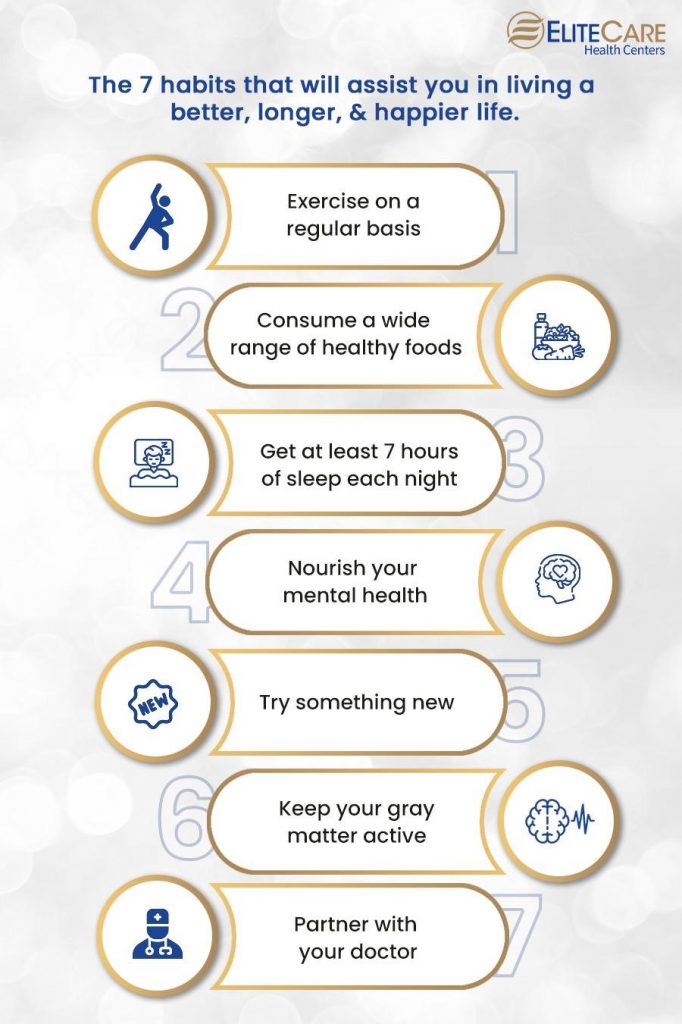
Nutrition serves as the foundation of metabolic health. Rather than focusing on restrictive calorie counting, evidence-based interventions emphasize nutrient density, stable blood glucose levels, and the reduction of ultra-processed food intake to foster long-term vitality.
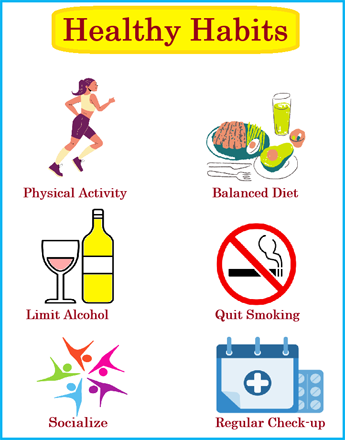
1.2.2 The Therapeutic Role of Regular Physical Activity
Movement is a potent biological signal. Beyond weight management, consistent physical activity improves insulin sensitivity, cardiovascular endurance, and cognitive function, functioning as a primary treatment tool for preventing sedentary-linked conditions.
1.2.3 Restorative Sleep as a Biological Necessity
Sleep is not downtime; it is an active phase of physiological repair. Chronic sleep deprivation disrupts cortisol rhythms and impairs cognitive performance, making it a critical area for lifestyle medicine coaching to ensure the body performs its necessary recovery processes.
1.2.4 Managing Chronic Stress through Mindfulness and Resilience Training
Prolonged sympathetic nervous system activation, or chronic stress, leads to sustained cortisol elevation, which damages vascular and immune health. Mindfulness-based practices and structured resilience training help regulate the nervous system, reducing the systemic wear and tear of modern living.
1.2.5 The Role of Positive Social Connection in Longevity
Human health is inherently social. Loneliness is recognized as a significant risk factor for mortality, equivalent in some studies to smoking. Fostering community and meaningful relationships is an essential, science-backed intervention for emotional and physical longevity.
1.2.6 Minimizing Substance Use and Toxic Exposures
Reducing exposure to tobacco, excessive alcohol, and environmental toxins is fundamental to cellular health. By minimizing these external stressors, the body can better focus its resources on maintenance and repair, effectively lowering the risk of inflammatory and oncological conditions.
1.3 Clinical Evidence Supporting Lifestyle Interventions
1.3.1 Reversing Type 2 Diabetes and Hypertension through Diet and Movement
High-quality clinical trials have demonstrated that intensive lifestyle modifications can achieve clinical remission for conditions like Type 2 diabetes. By coupling structured nutritional changes with progressive exercise, patients often achieve sustainable blood sugar control, frequently reducing or eliminating the need for glucose-lowering medications.
1.3.2 Measuring Success via Biomarkers and Clinical Outcomes
The efficacy of these interventions is quantified through objective data. By monitoring biomarkers—such as HbA1c, lipid profiles, C-reactive protein, and resting heart rate variability—practitioners provide evidence-based medical navigation that validates the patient’s progress. This data-driven approach confirms that lifestyle changes produce measurable, physiological improvements in chronic disease management guidance, shifting the focus from subjective wellness to verified clinical outcomes.
2. Practical Implementation Strategies for Sustainable Preventive Medicine Lifestyle Interventions
Transitioning from knowing what to do to actually doing it is the hardest part of any health journey. Sustainable preventive medicine lifestyle interventions require moving beyond temporary fixes toward identity-based behavior change. By focusing on systems rather than just willpower, individuals can create lasting health improvements that withstand the stresses of daily life.
2.1 Navigating Barriers to Health Behavior Change
The psychology of habit formation suggests that we are often held back by “friction” in our environment. Successful change begins with intention setting that is grounded in small, manageable actions. Instead of focusing on massive lifestyle overhauls, prioritize identifying the psychological cues that trigger unhealthy patterns and replace them with low-effort, high-reward alternatives.
Addressing social determinants of health is equally critical. Your ability to maintain a healthy routine is deeply influenced by your physical environment, workplace culture, and community access to resources. When these factors act as barriers, effective personalized health guidance can help you modify your strategy to account for these systemic constraints, rather than blaming yourself for the lack of progress.
Finally, overcoming time constraints often requires a shift in perspective. View health-promoting activities as “appointments” with yourself that are non-negotiable. Even in resource-limited environments, you can implement micro-habits—such as five minutes of movement or mindful breathing—that provide compounding benefits over time.
2.2 Developing a Personalized Wellness Roadmap
A roadmap for health is most effective when it is measurable and adaptive. Utilizing S.M.A.R.T. (Specific, Measurable, Achievable, Relevant, Time-bound) goals allows you to track progress with clarity. By breaking down large objectives into smaller milestones, you create a feedback loop that reinforces your commitment to long-term chronic disease management guidance.
Data tracking through wearable technology or simple journaling serves as an objective mirror for your habits. These self-monitoring tools provide the evidence needed to see how subtle shifts in your daily routine impact your clinical outcomes. However, the most vital component of your roadmap is your support network. Partnering with skilled healthcare providers and health coaches transforms your plan from a static document into a dynamic, evolving process that adjusts to your changing biological and emotional needs.
2.3 Executing Lifestyle Optimization in Daily Life
Execution is about the art of the 24-hour cycle. A lifestyle-optimized schedule prioritizes biological anchors, such as consistent wake-up times and nutrient-dense meal windows, to regulate circadian rhythms and metabolic function. By stabilizing these core pillars, you naturally improve your resilience to stress.
Identifying high-impact swaps is the most efficient way to optimize health without feeling deprived. Replace a late-night screen habit with 15 minutes of light stretching or reading, or substitute an ultra-processed snack with a whole-food alternative. These small trades yield significant improvements in sleep quality and insulin sensitivity.
Ultimately, your interventions should be tailored to your unique genetic and clinical profile. No two bodies respond exactly the same to diet or exercise, which is why evidence-based medical navigation is so important. By listening to your body’s signals and using clinical data to refine your approach, you can create a customized, sustainable lifestyle that effectively minimizes future health risks.
Embracing preventive medicine lifestyle interventions is not merely about avoiding future illness; it is about reclaiming agency over your long-term vitality. By shifting the focus from reactive symptom management to proactive, root-cause health strategies, you position yourself to thrive rather than simply survive. The journey toward optimal health is deeply personal, requiring a blend of evidence-based medical navigation and a commitment to sustainable behavioral changes that honor your unique biological needs.
As you begin to integrate these pillars—ranging from nutritional optimization to restorative sleep and resilience training—remember that small, consistent shifts often yield the most profound results. You do not have to overhaul your entire life overnight. Instead, focus on building a robust support system, leveraging professional guidance, and utilizing data to track your progress. For those seeking a structured path forward, exploring personalized health optimization coaching can provide the clarity and accountability necessary to turn these lifestyle strategies into lifelong habits. Your health is your most valuable asset; starting today with even the smallest intervention can pave the way for a resilient, vibrant future.