

Providing high-quality care in today’s complex healthcare landscape requires more than just clinical expertise; it demands a commitment to continuous improvement through rigorous clinical service evaluation. As patients and providers alike seek more transparency and accountability, medical facilities must move beyond anecdotal evidence to adopt systematic, data-driven frameworks. Evaluating the effectiveness of your services is the most reliable way to identify gaps in care, streamline internal processes, and ultimately improve patient outcomes.
In this guide, we will explore the essential methodologies for assessing your clinical performance, from the initial diagnostic phase to the implementation of sustainable operational changes. You will learn how to leverage patient-reported outcome measures and other key performance indicators to turn raw data into actionable insights. Whether you are managing a small private practice or overseeing a large multi-disciplinary center, these strategies will provide a clear roadmap for enhancing medical service quality and fostering a culture of excellence in your daily operations.
1. Strategic Frameworks and Methodologies for Clinical Service Evaluation
1.1 Establishing the Foundation for Effective Evaluation
1.1.1 Distinguishing Between Quality Improvement, Clinical Audit, and Research
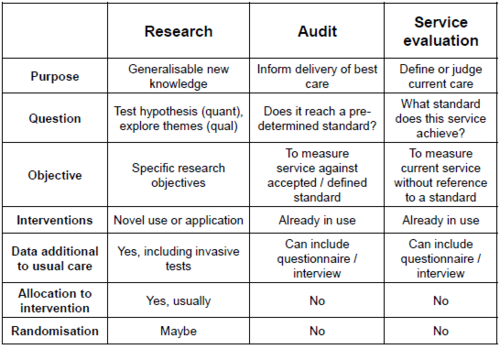
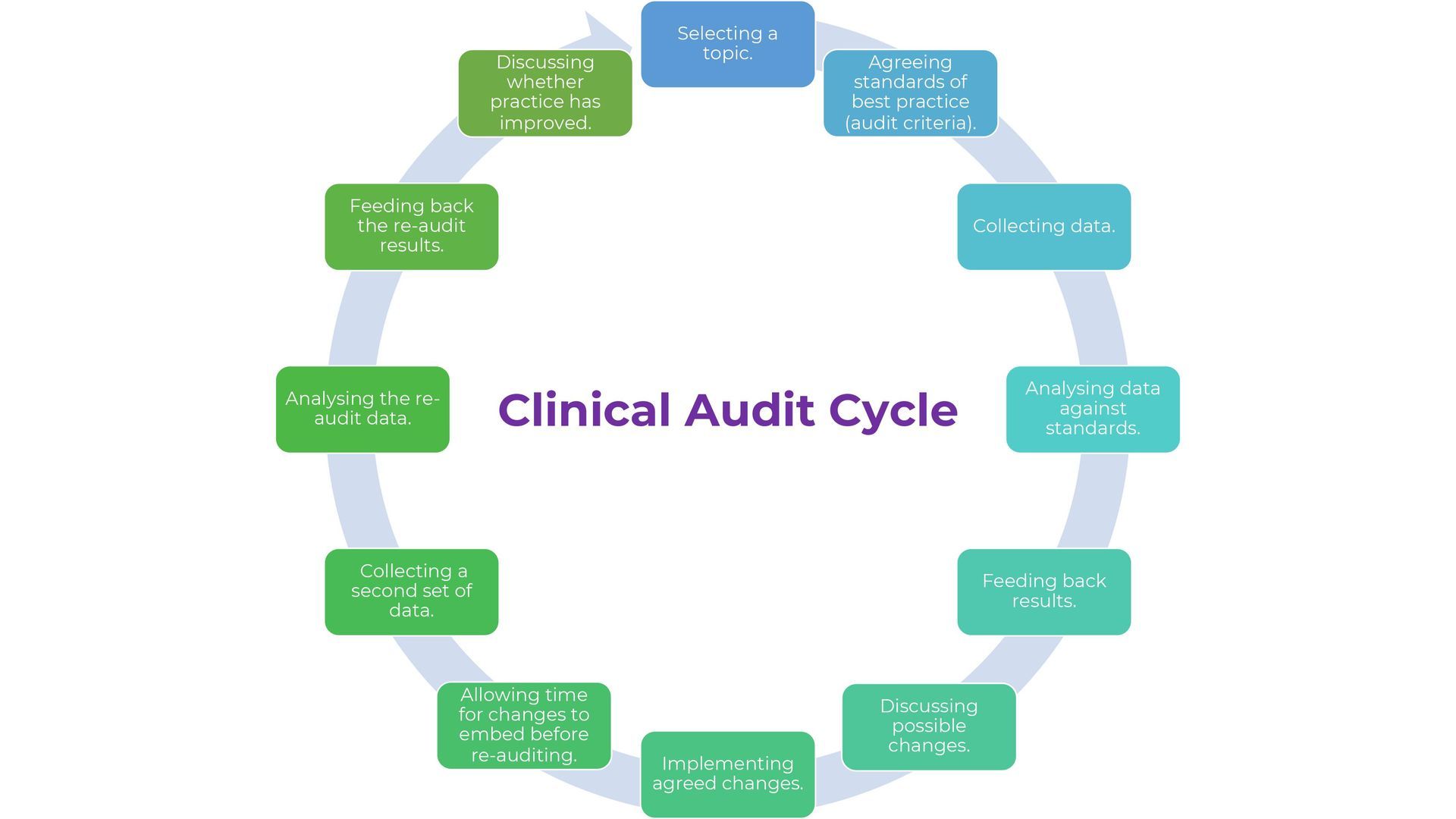
To improve patient care, practitioners must first understand the distinction between three common healthcare activities. Clinical audit is a retrospective assessment where current practice is compared against established clinical standards to identify gaps. Conversely, quality improvement is a prospective, iterative process designed to make specific, measurable changes to care delivery. Research aims to produce new, generalizable knowledge through systematic investigation. Confusion between these domains often leads to inefficient data collection; therefore, clearly defining your initiative as a quality improvement project allows you to focus on internal refinement rather than navigating the rigorous ethical requirements of academic research.
1.1.2 Defining Measurable Objectives and Institutional Scope
Effective evaluation requires a narrowed focus. Instead of attempting to assess an entire facility at once, define specific objectives that align with patient needs. Determine the institutional scope—whether the evaluation covers a single department, a specific chronic disease pathway, or the entire patient journey—to ensure that your resources are allocated efficiently. By setting clear, time-bound goals, you create a standard for medical service quality that can be objectively tracked over time, ensuring your team remains aligned with organizational benchmarks.
1.2 Data Collection and Analytical Frameworks
1.2.1 Quantitative Metrics for Throughput and Clinical Outcomes
Hard data provides the backbone of any clinical service evaluation. Throughput metrics—such as patient wait times, consultation duration, and hospital readmission rates—offer a clear snapshot of operational efficiency. When combined with clinical outcome data, such as infection rates or stabilization metrics for chronic conditions, these numbers reveal where care processes may be stalling. Consistently tracking these indicators is essential for maintaining high levels of medical service quality across all departments.
1.2.2 Qualitative Approaches Using PREMs and PROMs
Quantitative data rarely tells the full story. Incorporating Patient-Reported Outcome Measures (PROMs) allows clinics to capture the patient’s perspective on their own health status, while Patient-Reported Experience Measures (PREMs) help quantify the human side of care. These metrics provide a more nuanced view of the treatment journey, highlighting emotional and logistical barriers that charts often miss. By prioritizing these measures, Patient-Reported Outcome Measures: Improving Quality of Care becomes an actionable standard for long-term improvement.
1.2.3 Integrating Real-Time Feedback Loops via Electronic Health Records
Modern Electronic Health Records (EHRs) provide an opportunity to move away from annual reviews toward real-time monitoring. By integrating automated survey tools into the EHR workflow, clinics can prompt patients for feedback shortly after an appointment, ensuring high data accuracy and reduced recall bias. These feedback loops allow for immediate course correction, ensuring that patient satisfaction ratings remain a live indicator of clinical health rather than a historical record.
1.3 Diagnostic Phase and Root Cause Identification
1.3.1 Conducting Baseline Assessments of Current Clinical Pathways
Before implementing any change, you must map the current reality. A baseline assessment involves documenting the steps a patient takes from the moment they book an appointment to their final follow-up. This process reveals the “as-is” state of the clinic, providing a clear reference point to measure the success of future interventions. Without this baseline, it is difficult to determine if a change has truly resulted in an improvement or if the perceived success is merely anecdotal.
1.3.2 Mapping Care Processes to Identify Bottlenecks and Safety Risks
Once the baseline is established, focus on identifying where processes break down. Bottlenecks often occur at hand-off points—such as the transition from a diagnostic test to a physician consultation—or during complex administrative tasks. Mapping these pathways often uncovers hidden safety risks, such as documentation errors or delayed communication, that threaten the integrity of the clinical service. Identifying these friction points allows teams to prioritize high-impact changes that mitigate risk while enhancing patient flow.
1.3.3 Synthesizing Multi-Source Data for Actionable Insights
The final step in the diagnostic phase is the synthesis of disparate data points. By combining quantitative throughput data with qualitative patient feedback, clinicians can gain a 360-degree view of the facility’s performance. This integrated approach helps shift the focus from merely reacting to problems to proactively designing solutions. When leadership reviews this consolidated data, they can make informed, data-driven decisions that foster accountability and align the entire organization toward the goal of providing exceptional, patient-centered care.
2. Implementing and Sustaining Improvements in Clinical Service Evaluation
2.1 Operationalizing Change Management Strategies
Transitioning from data collection to meaningful action requires a structured approach to change. The Plan-Do-Study-Act (PDSA) cycle serves as a gold-standard framework for iterative refinement, allowing clinical teams to test small, manageable changes in patient care processes before full-scale implementation. By isolating specific variables—such as a new check-in protocol or communication template—clinicians can measure the impact on medical service quality without overwhelming staff resources.
Navigating barriers to staff adoption is often the most significant hurdle. Resistance frequently stems from perceived time constraints or survey fatigue. To mitigate this, leadership should involve frontline staff in the design phase of the evaluation. When clinicians understand how specific data points—such as patient-reported outcome measures—can actually reduce their administrative burden rather than increase it, engagement levels typically rise. Transparency regarding the purpose of the evaluation is essential to building a culture of trust and shared ownership.
Balancing administrative reporting requirements with clinical workflow efficiency requires a “less is more” approach. Prioritize the collection of data that directly correlates with actionable outcomes. By streamlining documentation requirements and automating feedback loops through electronic health records, clinics can maintain high standards of accountability without sacrificing the quality of patient interactions.
2.2 Scaling Solutions for Long-Term Performance
Scaling clinical improvements requires sustainable infrastructure, even for small practices with limited analytical resources. Smaller clinics can leverage free or low-cost cloud-based tools to track performance trends over time, avoiding the need for expensive proprietary software. By focusing on a few core key performance indicators, such as patient satisfaction ratings, small teams can maintain a high-quality, data-informed practice.
For larger institutions, advanced dashboards are indispensable for continuous monitoring. These tools provide real-time visibility into operational bottlenecks, allowing management to pivot resources where they are needed most. When data is presented in an intuitive, accessible format, it promotes a culture of peer accountability where clinical teams can celebrate successes and collectively address failures.
Ultimately, long-term success is rooted in institutional habits. You can learn more about how to foster these improvements in our guide on improving patient clinic experiences. When evaluation is treated as a routine part of clinical practice rather than a one-time audit, it becomes a powerful engine for continuous professional growth.
2.3 Addressing Legal and Ethical Considerations
Ensuring patient privacy and data security is the cornerstone of any ethical evaluation framework. All datasets must be de-identified in compliance with national health privacy laws, ensuring that personal health information is protected during every stage of the analysis. Access to sensitive evaluation reports should be strictly role-based, limiting exposure to only those individuals who require the data for operational improvement.
Furthermore, it is critical to mitigate bias in qualitative feedback collection. If feedback mechanisms are only accessible to a specific demographic—such as patients with high digital literacy—the resulting data will skew, leading to skewed conclusions about care quality. To combat this, utilize multi-modal data collection methods, such as paper-based surveys, phone interviews, and digital kiosks. By ensuring an inclusive data gathering process, clinics can obtain a more accurate, representative picture of their services, ultimately leading to more equitable care standards.
Effective clinical service evaluation is not merely a box-ticking exercise for administrative compliance; it is a foundational commitment to evolving patient care. By systematically analyzing medical service quality and embracing both quantitative data and subjective patient-reported outcome measures, healthcare facilities can move beyond reactive fixes toward a culture of continuous, proactive improvement. When you prioritize transparency and act on meaningful feedback, you foster a clinical environment that is inherently safer, more efficient, and deeply patient-centered.
As you move forward with your own evaluation efforts, remember that even small, consistent adjustments to clinical workflows can lead to significant gains in long-term outcomes. Whether you are addressing staff communication gaps or refining diagnostic pathways, the goal remains the same: ensuring every patient receives the highest standard of evidence-based care. For those seeking to deepen their understanding of how these metrics translate into better patient experiences, you may find it helpful to explore our guide on improving patient clinic experiences to further align your operational strategies with excellence. Ultimately, the success of your service evaluation hinges on your ability to turn raw data into compassionate, effective clinical action.