
When you or a loved one are facing a health challenge, the environment in which you receive care matters just as much as the treatment itself. Navigating the complexities of our medical system can feel overwhelming, but healthcare facility transparency serves as a vital compass for patients and caregivers alike. By shedding light on everything from clinical performance data to the real cost of procedures, transparency empowers you to make informed decisions rather than relying on guesswork alone. Understanding these standards allows you to move beyond basic provider listings and dig into the metrics that truly impact your well-being.
In this guide, we will break down what it means for an institution to be truly transparent and how you can use this information to your advantage. You will learn how to interpret quality metrics, evaluate the safety culture of a clinic, and decode financial disclosures to avoid unexpected burdens. For those looking to take a proactive approach to their health journey, understanding quality of care assessments is the first step toward securing the reliable, high-standard medical support you deserve.
1. Navigating Healthcare Facility Transparency and Quality Standards
When you choose a medical facility, you are not just selecting a building or a brand; you are entrusting your well-being to an ecosystem of care. Achieving true healthcare facility transparency requires a multifaceted approach where institutions open their books, clinical performance data, and operational processes to public scrutiny. By understanding how these facilities function, you can make more informed decisions about where you receive treatment.
1.1 Understanding the Pillars of Institutional Accountability
Institutional accountability rests on three core pillars: clinical, financial, and operational transparency. Clinical transparency involves the open disclosure of patient outcomes and adherence to standardized medical protocols. Financial transparency ensures that patients understand the cost of their care before receiving services, preventing the stress of unexpected billing. Finally, operational transparency focuses on how a facility manages its resources, staffing ratios, and patient flow, which directly affects the speed and quality of the care you receive.
When healthcare organizations prioritize these pillars, public disclosure leads to a higher level of patient trust. Being honest about success rates and operational hurdles signals to the community that a facility values partnership over secrecy, which is the foundation of effective healthcare provider reputation management.
1.2 Evaluating Clinical Outcomes and Safety Culture
Evaluating the quality of a facility involves looking beyond marketing materials and examining hard data. Patients should pay close attention to infection rates—such as surgical site infections or catheter-associated bloodstream infections—and hospital readmission metrics. Consistently low infection rates indicate that a facility maintains rigorous safety protocols, while high readmission rates may suggest that discharge planning or follow-up care needs improvement.
True safety culture is often reflected in how a hospital handles errors. Facilities that encourage staff to report “near-misses” without fear of retribution are often the safest, as they use these instances to implement system-wide changes before a preventable error occurs. Furthermore, you can gauge the patient experience through HCAHPS (Hospital Consumer Assessment of Healthcare Providers and Systems) scores. These standardized surveys capture critical feedback on communication, responsiveness, and pain management, offering a clear window into how the facility prioritizes patient satisfaction ratings.
1.3 Essential Tools and Frameworks for Facility Research
Navigating the complex landscape of healthcare data can be daunting, but federal resources have simplified the process for the public. The CMS Care Compare website serves as the gold standard for accessing comparative data on hospitals, nursing homes, and outpatient clinics across the United States. This platform allows you to filter facilities by specific procedures and quality metrics, making it easier to weigh the medical service quality of various providers side-by-side.
When preparing for a consultation, use a structured checklist to ensure you get the transparency you deserve. Ask your provider about their experience levels with your specific condition, how they coordinate care with other specialists, and what their protocols are for managing treatment complications. By asking pointed, evidence-based questions, you shift the dynamic from a passive experience to one of active patient advocacy, ensuring you remain informed throughout your healthcare journey.
2. Financial Transparency and Future Trends in Healthcare Facility Transparency
2.1 Decoding Costs and the No Surprises Act
2.1.1 Navigating hospital price transparency tools and machine-readable files
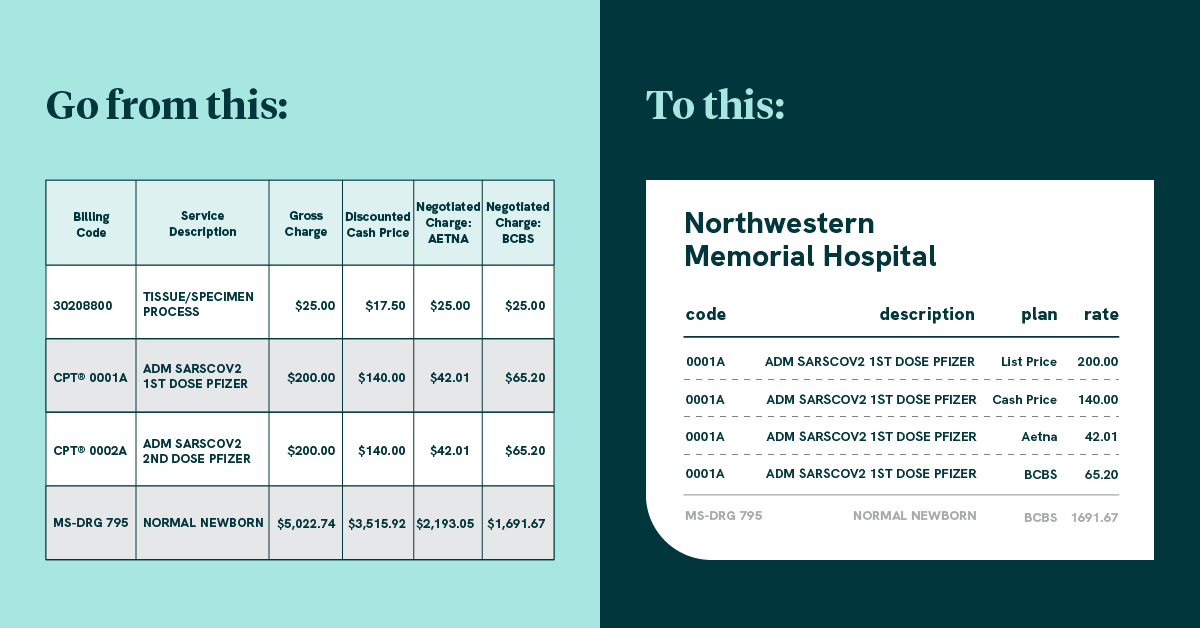
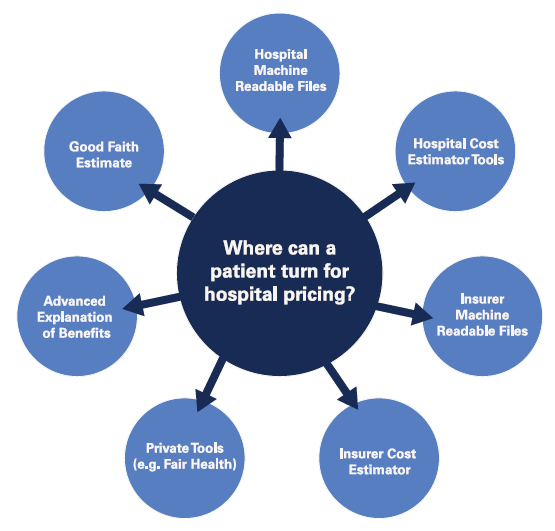
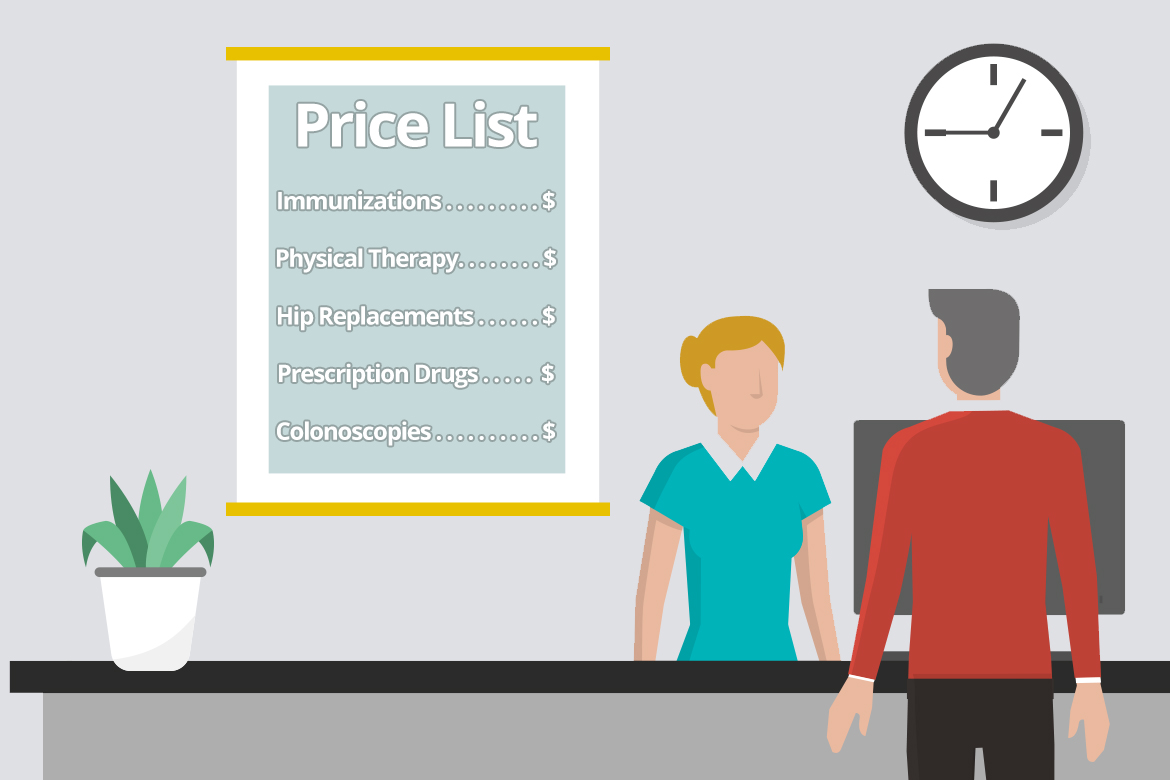
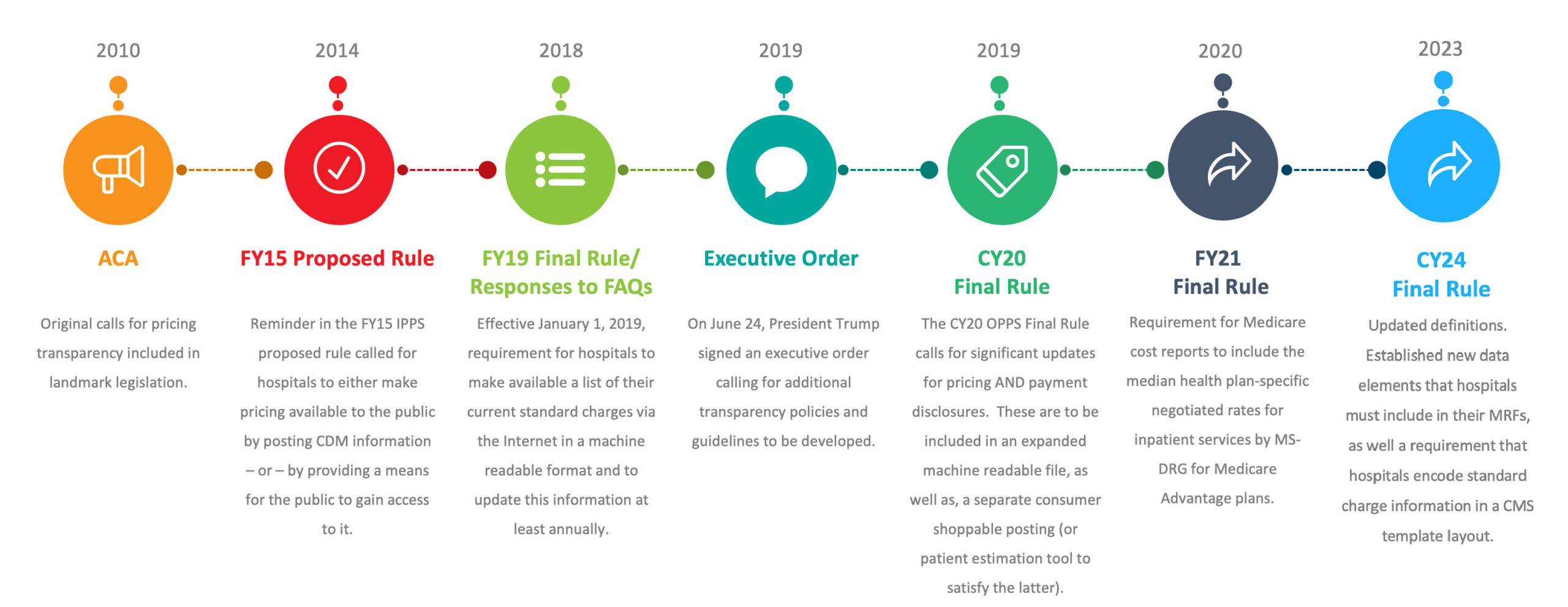
Financial clarity is a cornerstone of modern patient advocacy. Thanks to federal mandates, hospitals are now required to publish “machine-readable files” containing standard charges for all services, along with consumer-friendly price transparency tools. While these resources are designed to help you compare costs before scheduling non-emergency procedures, they can be difficult to interpret. Often, the “gross charge” listed is not what you will actually pay, as insurance negotiations significantly alter final out-of-pocket expenses. To make sense of this, always have your insurance plan details handy when using these online estimators. You can gain further insights into how these costs align with overall care quality by reviewing health plan interpretation and coverage guides to ensure you are accurately calculating your financial responsibility.
2.1.2 Understanding value-based pricing versus traditional fee-for-service models
The industry is gradually shifting from traditional fee-for-service models, where providers are paid for each individual test or procedure, toward value-based pricing. Under value-based models, reimbursement is tied to clinical outcomes and patient health improvements rather than the sheer volume of services provided. This shift encourages facilities to focus on preventing complications and readmissions. For patients, this means that transparency is no longer just about the price tag of a service, but the value delivered by the facility in achieving a successful recovery.
2.1.3 Rights and remedies when a facility fails to provide cost disclosures
If a facility fails to provide a good-faith estimate or engages in surprise billing, you have legal protections under the No Surprises Act. This federal law protects patients from unexpected costs for out-of-network emergency services and certain non-emergency services provided at in-network facilities. If you receive an unexpected bill, you have the right to initiate a dispute resolution process. Start by contacting the facility’s billing department to request an itemized statement and confirm the charges against the initial estimate provided during your intake.
2.2 Implementing Transparency from an Administrative Perspective
2.2.1 Fostering a culture of open communication among clinical staff
True institutional accountability starts with the internal culture of a medical facility. When leadership encourages clinical staff to share data regarding near-misses and procedural outcomes without fear of retribution, patient safety improves. This “just culture” promotes transparency by ensuring that systemic issues are identified and resolved before they impact the patient experience. Open communication between departments creates a cohesive environment where the focus remains on the patient rather than administrative silos.
2.2.2 Leveraging data analytics for clinical improvement and operational efficiency
Data analytics play a pivotal role in maintaining institutional standards. By tracking key performance indicators—such as wait times, infection rates, and resource utilization—administrators can identify specific areas needing improvement. This quantitative approach to medical service quality allows facilities to benchmark their performance against national standards. When this data is analyzed transparently, it empowers the facility to make evidence-based changes that directly enhance the quality of care provided to their community.
2.3 The Future of Data, AI, and Regulatory Compliance
2.3.1 How artificial intelligence is transforming real-time performance reporting
Artificial intelligence is rapidly becoming the engine behind modern transparency. AI-driven platforms can aggregate vast amounts of clinical data in real-time, allowing facilities to monitor patient outcomes as they happen. This technology enables faster reporting, which means stakeholders and patients can access more accurate, up-to-date metrics regarding facility performance. AI is also helping simplify complex billing data, making it easier for the average person to understand the relationship between the care they receive and the costs incurred.
2.3.2 Balancing HIPAA privacy mandates with the public demand for data
While the public demands greater transparency, healthcare organizations must carefully balance this with strict HIPAA privacy mandates. Protecting patient health information is non-negotiable, which means that transparency initiatives must use de-identified or aggregated data. The challenge for the future lies in finding the “sweet spot” where facilities share enough information to demonstrate accountability and quality without ever compromising the sensitive medical records of individual patients.
2.3.3 Preparing for evolving federal reporting requirements and industry standards
As regulatory requirements continue to evolve, the most successful facilities are those that proactively adopt higher standards of disclosure. Future compliance will likely require more granular reporting on health equity and social determinants of health. By staying ahead of federal mandates, healthcare providers not only avoid penalties but also build long-term trust with their patients. Transparency is no longer a peripheral goal; it is a core component of sustainable, high-quality healthcare delivery in the United States.
Ultimately, prioritizing healthcare facility transparency is not just a regulatory obligation; it is a fundamental pillar of patient-centered care. By actively engaging with data regarding medical service quality, clinical outcomes, and financial disclosures, you move from being a passive recipient of services to an empowered partner in your own health journey. While the landscape of healthcare accountability can feel complex, utilizing federal tools and maintaining open lines of communication with your providers can demystify the process and lead to better, more informed choices.
As the industry continues to evolve with the integration of artificial intelligence and more rigorous reporting standards, the ability to assess and understand these metrics will only grow in importance. Remember that transparency is a two-way street; by providing honest feedback and utilizing resources like patient satisfaction ratings, you contribute to a culture of continuous improvement that benefits everyone. Whether you are scheduling a routine screening or navigating a complex treatment plan, stay curious, ask the right questions, and rely on verifiable data to ensure that your care aligns with your personal health goals and expectations for excellence.