

Choosing the right healthcare provider can feel overwhelming, especially when you are balancing clinical needs with personal comfort. Today, patients have unprecedented access to data, yet navigating the maze of patient satisfaction ratings often leaves more questions than answers. While high scores are certainly encouraging, they do not always tell the full story regarding medical outcomes or technical proficiency. To make truly informed decisions, you must learn to distinguish between a friendly office environment and the high-standard care required for your long-term health.
In this guide, we will move beyond surface-level star ratings to help you understand how to evaluate medical service quality with confidence. You will learn how to parse official government reporting, weigh the impact of healthcare facility transparency, and integrate patient-reported outcome measures into your search. By mastering these tools, you can better navigate healthcare provider reputation management to ensure that your chosen team is as skilled at treating your condition as they are at communicating with you. Ultimately, we aim to provide a balanced roadmap for selecting care that aligns with both your health objectives and your personal values.
1. How to Evaluate and Interpret Patient Satisfaction Ratings for Informed Healthcare Decisions
Navigating the complex world of modern medicine requires more than just checking a provider’s credentials; it involves a deep dive into patient satisfaction ratings. While these scores can offer a snapshot of a patient’s experience, they are not always a perfect reflection of clinical outcomes. As a patient, you must learn to look past the star ratings to understand the context behind the numbers, ensuring you select a provider who balances technical expertise with quality care.
1.1 The Landscape of Medical Transparency and Data Sources
The information available to the public regarding healthcare performance is vast but often fragmented. Understanding where data comes from is the first step in assessing medical service quality.
1.1.1 Understanding HCAHPS and Official Government Reporting
The Hospital Consumer Assessment of Healthcare Providers and Systems (HCAHPS) is the gold standard for public reporting. Managed by the Centers for Medicare & Medicaid Services, this survey uses a standardized methodology to measure patient perspectives on hospital care. Because these surveys are regulated, they offer a consistent, albeit limited, view of hospital performance across the U.S.
1.1.2 Distinguishing Between Independent Review Sites and Standardized Surveys
Independent review platforms often capture a different slice of data compared to government reports. While HCAHPS focuses on structured, scientific metrics, third-party sites frequently aggregate anecdotal comments. These platforms can be useful for spotting recurring red flags in office management, but they lack the rigorous verification processes of clinical reporting standards.
1.1.3 The Impact of Press Ganey and Internal Hospital Surveys
Many facilities utilize external firms like Press Ganey to track internal performance. These surveys are often more granular than public reports, focusing heavily on the “patient journey” and administrative touchpoints. For patients, understanding that these tools are designed to help hospitals refine their operational efficiency—rather than just clinical success—provides necessary perspective when reviewing facility rankings.
1.2 Decoding the Metrics Behind Patient Satisfaction Ratings
High satisfaction scores do not always equate to better health outcomes, and understanding this distinction is vital for healthcare facility transparency.
1.2.1 Differentiating Subjective Bedside Manner from Clinical Proficiency
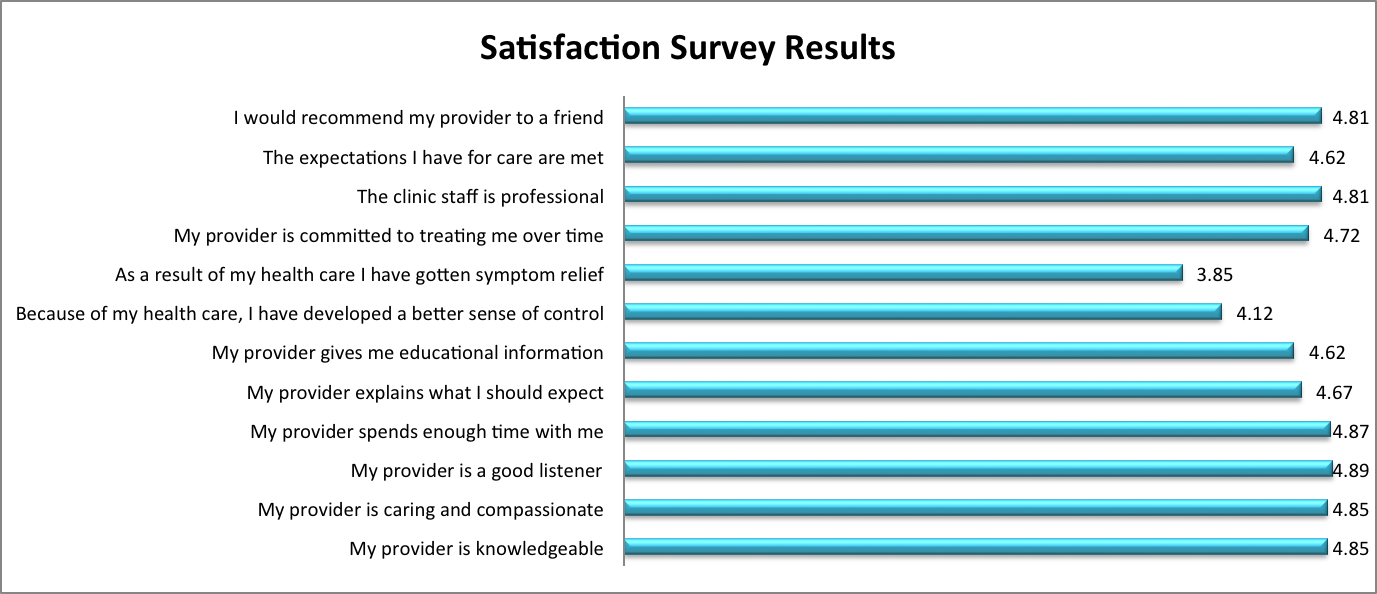
It is common to find providers who are highly personable but lack top-tier clinical results, and vice versa. Patient feedback is heavily influenced by “soft” skills, such as how much time a doctor spends listening versus typing on a computer. Use these insights to identify a partner in your health journey, but remember that a warm bedside manner is distinct from surgical precision or diagnostic accuracy.
1.2.2 The Role of Communication, Empathy, and Staff Responsiveness in Scoring
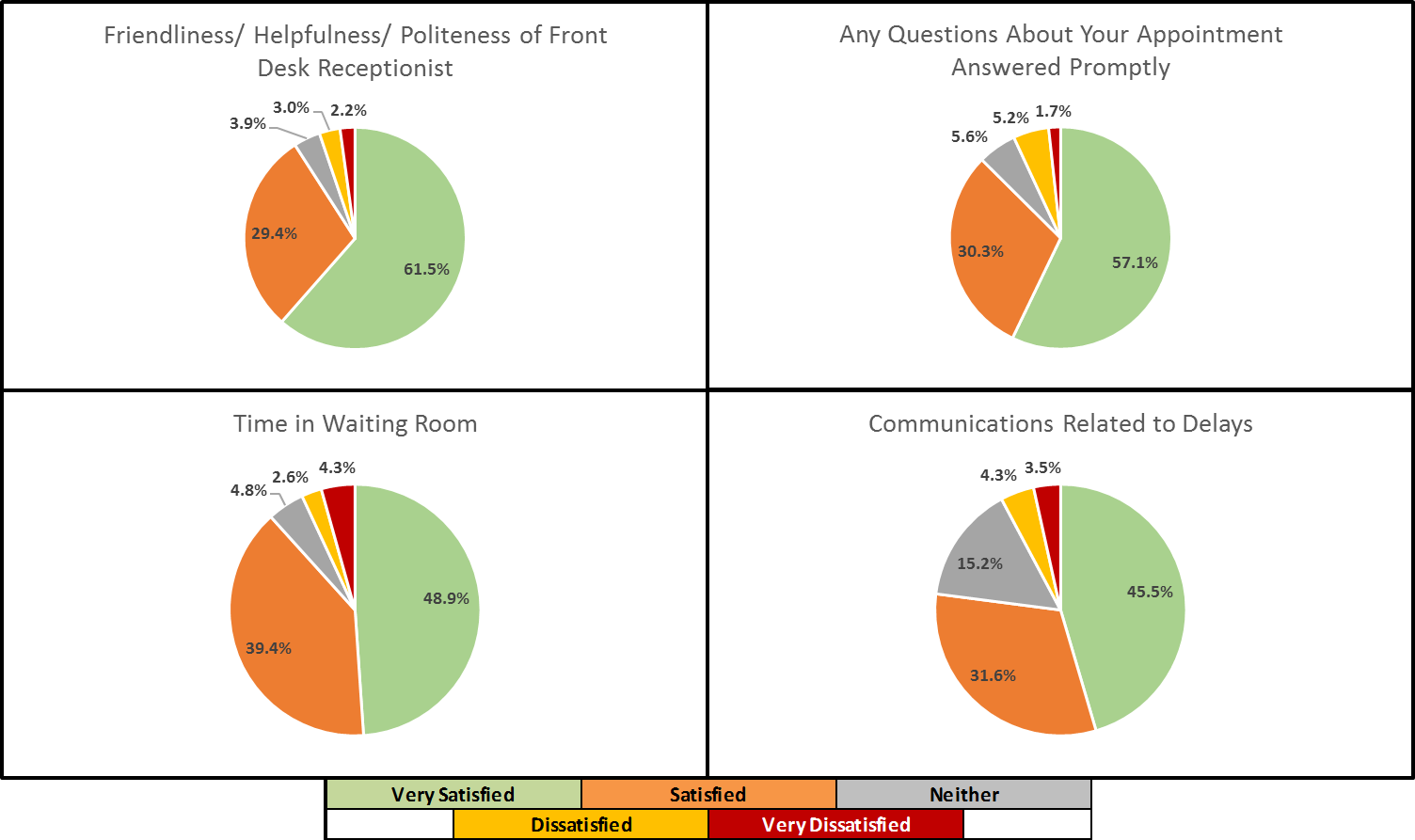
Many satisfaction metrics prioritize the patient’s perceived experience—such as wait times, nursing responsiveness, and the ease of scheduling. When you read reviews, look for patterns in how staff communicate. Effective coordination among a multidisciplinary team is a strong indicator of a well-run practice, which often correlates with safer, more streamlined care.
1.2.3 Identifying the Nuances of Facility Environment and Safety Metrics
Some ratings are skewed by non-clinical factors, such as parking availability, facility cleanliness, or the quality of cafeteria food. While these amenities impact your comfort, they should not outweigh clinical credentials. Always balance these environmental notes against actual healthcare facility transparency reports regarding safety and infection control.
1.3 Avoiding Common Pitfalls When Analyzing Provider Data
Interpreting medical feedback requires a critical eye to avoid being misled by incomplete data or human biases.
1.3.1 Recognizing Statistical Significance and the Dangers of Small Sample Sizes
A provider with ten 5-star reviews may appear superior to one with two hundred 4-star reviews. However, the smaller sample size is statistically insignificant and more prone to volatility. Always prioritize practitioners with a large volume of feedback over those with a perfect score based on only a handful of responses.
1.3.2 Identifying Selection Bias in Online Review Forums
Review forums often suffer from selection bias, where only patients with extreme experiences—either exceptionally positive or negative—take the time to write feedback. Most satisfied patients move on with their lives, meaning online ratings often capture the extremes rather than the average patient experience.
1.3.3 Parsing Out Administrative Frustrations Versus Clinical Failures
Distinguish between complaints about the system and complaints about the care. If a review highlights long wait times or rude billing staff, the fault lies with the practice management. If a review mentions a misdiagnosis or poor post-operative follow-up, this indicates a potential issue with the clinical provider. Distinguishing between these two can save you from dismissing a high-quality surgeon simply because the front desk staff was having a bad day.
2. Incorporating Holistic Factors into Your Provider Selection Process
While patient satisfaction ratings offer a valuable glimpse into the consumer experience, relying on them as your sole metric for choosing a healthcare provider can be misleading. To make a truly informed decision, you must integrate these subjective scores with hard data and personal intuition. This balanced approach ensures you are not just choosing a provider who is easy to talk to, but one who possesses the clinical excellence necessary to achieve your specific health outcomes.
2.1 Balancing Satisfaction Data with Hard Clinical Credentials
The foundation of your care should always rest on verifiable clinical competence. While a friendly demeanor is important, it cannot substitute for board certifications and specialty-specific training. Before finalizing your choice, confirm that your provider has completed the necessary residencies and fellowships recognized by the American Board of Medical Specialties. These certifications act as a baseline for clinical proficiency.
Additionally, investigate the facility’s official accreditation status. Organizations such as The Joint Commission or the Accreditation Association for Ambulatory Health Care (AAAHC) maintain rigorous standards for safety and quality. When a facility meets these benchmarks, it indicates that they have implemented the required infrastructure to handle emergencies and maintain high medical standards, regardless of how they rank on public feedback platforms. Always verify that the facility is within your insurance network, as financial stress can significantly undermine the stability of your treatment plan. You can learn more about how to navigate these quality markers in our guide on choosing accredited healthcare facilities.
2.2 The Critical Role of Direct Interaction and Personal Comfort
Once you have vetted the clinical credentials, treat your first consultation as a diagnostic tool for rapport. Technical skill is only one piece of the puzzle; your ability to communicate effectively with your doctor is what will ultimately drive your adherence to a treatment plan. Pay attention to how your questions are received: does the provider listen actively, or do they seem rushed? Are they willing to explain complex conditions in plain language?
Determine your personal priorities early. For some patients, a doctor’s bedside manner—their ability to convey empathy and warmth—is paramount for their mental well-being. For others, the priority may be a provider who is concise, direct, and focused purely on technical efficiency. Neither approach is wrong, but recognizing your own needs helps you weigh the reviews you read. Finally, realize that you can influence future medical service quality by providing your own honest, constructive feedback through formal channels if your interaction leaves room for improvement.
2.3 Navigating Limitations and Data Gaps in Modern Medical Feedback
It is important to understand why even highly skilled practitioners may receive mixed ratings. Surgeons and specialists often work with the highest-risk patients, and outcomes—while medically successful—may not always align with a patient’s expectations for a “perfect” recovery. These nuances are often lost in simplified star ratings, which tend to favor providers who manage patient expectations well rather than those who handle the most complex cases.
Furthermore, be wary of the “placebo effect” of facility amenities. A clinic with high-end decor, modern furniture, and a seamless check-in process often receives higher satisfaction scores, even if the clinical outcomes are identical to those of a more modest practice. These aesthetic factors can distract from the actual medical service quality. When making your final decision, synthesize the data by focusing on safety records and board certifications first, then use patient satisfaction ratings to gauge the secondary factors—like communication and accessibility—that will shape your day-to-day experience during your care.
Navigating patient satisfaction ratings is a skill that balances objective data with the personal nuances of your unique healthcare needs. While these scores offer a helpful snapshot of communication styles, facility environment, and staff responsiveness, they should never be the sole metric for determining the quality of your care. True medical excellence is found at the intersection of verified clinical credentials, transparent safety outcomes, and a patient-provider relationship built on trust and mutual understanding.
As you move forward in selecting a physician or specialist, remember to look beyond the star ratings. Use these insights as a starting point for deeper investigation rather than a definitive final word. By synthesizing standardized government reports with your own assessment of a facility’s professionalism during a consultation, you can make an informed choice that aligns with your wellness goals. For a more comprehensive look at how these elements come together, you can explore our guide on medical service quality: how to evaluate patient feedback to ensure you are prioritizing the factors that lead to the best long-term health outcomes.
Ultimately, your health journey is personal. Whether you prioritize cutting-edge technology, empathetic communication, or convenient administrative processes, the most important rating is the one that reflects your confidence in your medical team. Stay proactive, ask the right questions, and choose the provider that makes you feel both heard and expertly cared for.