

Navigating the modern healthcare landscape can feel overwhelming, especially when you are facing a significant health decision that requires the highest level of care. Whether you are managing a chronic condition or seeking treatment for a complex diagnosis, choosing leading medical centers is a critical step toward ensuring your safety and long-term recovery. However, “quality” in healthcare is not defined by marketing campaigns or building aesthetics; it is rooted in tangible performance data, clinical expertise, and systematic safety protocols. By understanding how to move beyond surface-level reputations and analyze objective metrics, you gain the power to make an informed choice that aligns with your specific health goals. In this guide, we will explore the essential benchmarks—from clinical outcomes to multidisciplinary standards—that differentiate world-class facilities from the rest, providing you with a clear roadmap for evidence-based medical navigation to ensure you receive the expert care you deserve.
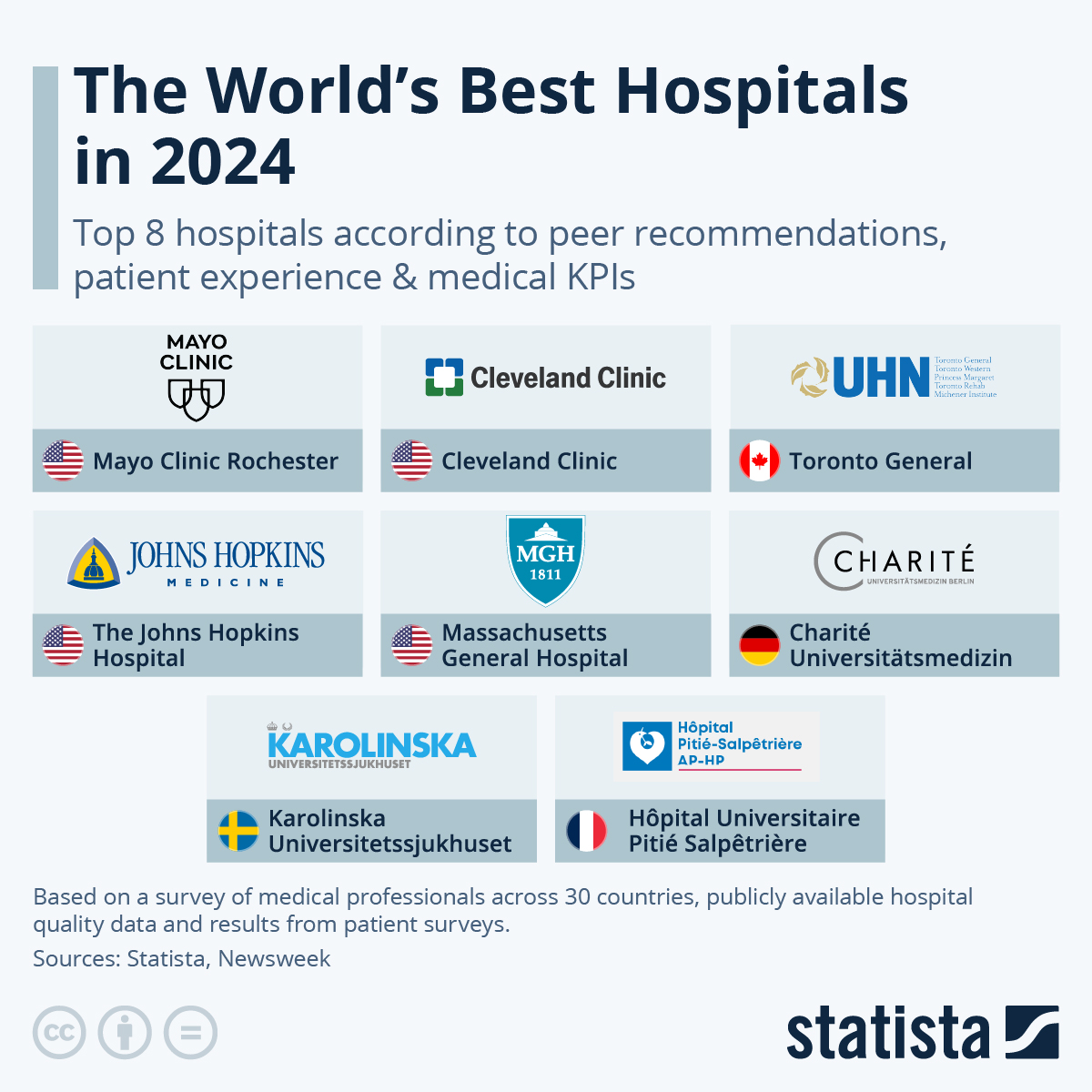
1. Identifying Leading Medical Centers Through Clinical Quality and Safety Standards

When selecting a healthcare facility, it is essential to move beyond reputation and marketing. Identifying leading medical centers requires a deep dive into objective performance data, which serves as a reliable barometer for the care you can expect. By prioritizing facilities that demonstrate transparency in their clinical outcomes, you ensure that your medical journey is grounded in evidence-based medicine and standardized safety protocols.
1.1 Evaluating Objective Performance Metrics
Objective metrics provide the foundation for comparing facilities. These data points act as key healthcare quality benchmarks, allowing patients to distinguish between hospitals that perform at average levels and those that consistently achieve superior results.
1.1.1 Interpreting CMS Star Ratings and Medicare Care Compare Data
The Centers for Medicare & Medicaid Services (CMS) provides the Care Compare tool, which assigns star ratings based on dozens of quality measures. These ratings aggregate data on mortality, safety of care, and patient experience. While a high star rating is a strong indicator of excellence, it is vital to remember that these scores are updated periodically; checking the most recent report provides the most accurate view of a facility’s current standing.
1.1.2 Understanding Leapfrog Hospital Safety Grades and Risk-Adjusted Mortality Rates
Beyond broad ratings, look specifically at Leapfrog Hospital Safety Grades, which focus heavily on how well a facility protects patients from errors, accidents, and infections. Additionally, investigating risk-adjusted mortality rates is critical. This statistical adjustment accounts for the severity of a patient’s illness upon admission, ensuring that the mortality rate reflects the hospital’s actual quality of care rather than the complexity of the patients they serve.
1.1.3 Analyzing Infection Rates and Hospital-Acquired Condition Statistics
Infection rates and Hospital-Acquired Conditions (HACs) are direct indicators of a facility’s adherence to sterile environments and safety protocols. Consistent reports of low infection rates suggest rigorous internal oversight. You can research these statistics to ensure the center prioritizes patient safety above all else, which is a key component of healthcare facility accreditation compliance.
1.2 The Significance of Clinical Volume and Specialty Expertise
The volume of specific procedures a hospital performs is often a silent but powerful indicator of clinical success. A high volume typically translates to a more experienced staff and more refined processes.
1.2.1 How Procedure Volume Directly Correlates to Improved Surgical Outcomes
For complex surgeries, institutional experience matters. Research consistently shows that high-volume centers—those performing hundreds of a specific procedure annually—tend to produce better clinical treatment outcomes. This is due to the cumulative experience of the surgical team and the optimization of the perioperative workflow.
1.2.2 Identifying Centers of Excellence for Oncology, Cardiology, and Rare Disease Treatment
Centers of Excellence (COEs) are facilities that have been recognized for achieving the highest standards in specific medical specialties. When facing a complex diagnosis, seeking out a facility with dedicated COEs ensures that you are treated by specialists who deal with your condition every day, rather than general practitioners.
1.2.3 Verifying Board Certification and Fellowship Training of Medical Staff
Excellence starts with the individual provider. Always verify that your surgeon or lead specialist is board-certified in their respective field. Furthermore, fellowship training—a period of intensive, specialized study beyond general residency—indicates an elevated level of expertise necessary for managing difficult, non-routine cases.
1.3 Assessing Infrastructure and Technological Capabilities
A leading medical center must be equipped with modern infrastructure to support both standard care and cutting-edge interventions.
1.3.1 Recognizing the Impact of Advanced Diagnostic Imaging and Robotic Surgery Platforms
The availability of high-resolution diagnostic imaging, such as 3T MRI or advanced PET-CT, allows for earlier and more accurate disease detection. Similarly, robotic surgery platforms, when used by experienced surgeons, can lead to smaller incisions, faster recovery times, and lower rates of post-operative complications.
1.3.2 Determining the Availability of Clinical Trials and Experimental Therapies
Leading centers often serve as hubs for medical research. Participation in clinical trials provides patients access to the latest therapies that are not yet available at local community hospitals. If your condition is chronic or rare, the presence of a robust clinical research department is a major hallmark of a top-tier institution.
1.3.3 Evaluating the Integration of Electronic Health Records for Seamless Continuity of Care
Seamless communication is the backbone of patient safety. Modern centers utilize advanced Electronic Health Records (EHRs) to ensure that your medical history, test results, and treatment plans are accessible to every member of your care team. This integration minimizes the risk of medical errors and ensures that all specialists involved in your care are aligned, preventing disjointed communication during transitions between departments.
2. Navigating the Selection Process for Leading Medical Centers
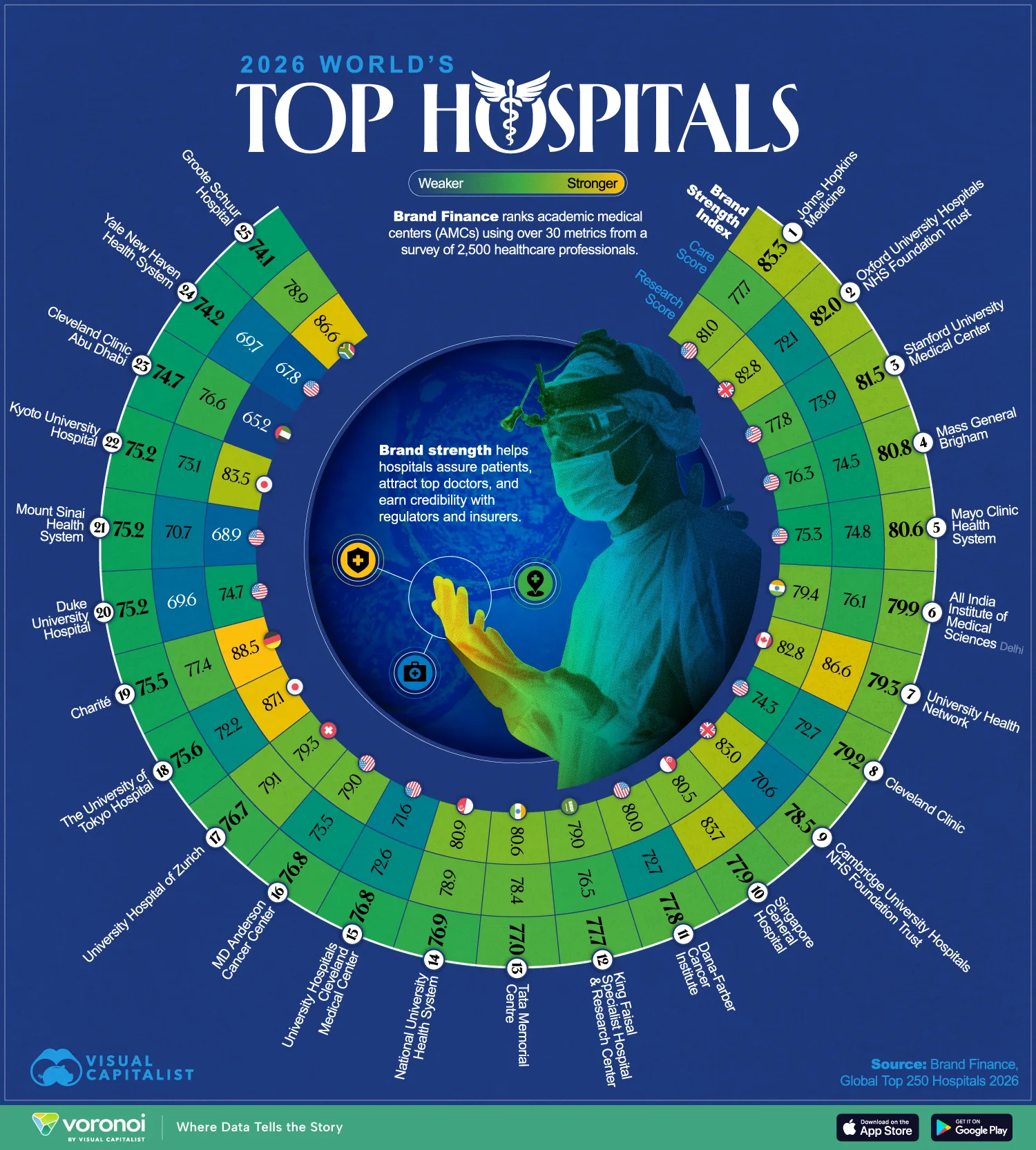
2.1 Strategizing Based on Insurance, Logistics, and Patient Advocacy
Choosing among leading medical centers requires balancing clinical excellence with practical realities. Start by verifying your insurance coverage, as even the most prestigious institutions may operate out-of-network, leading to significant financial strain. Contact both your insurance provider and the hospital’s billing department to clarify your out-of-pocket financial responsibility. Understanding the difference between a co-payment and a deductible in the context of major procedures is vital to preventing unexpected medical debt.
While proximity is a common factor, you must weigh the benefits of local convenience against the necessity of specialized national centers. For complex or rare conditions, traveling to a facility with specific expertise may yield superior outcomes, even if it adds logistical challenges like lodging or travel costs. Use hospital transparency tools, often available on facility websites, to request accurate cost estimates before admission. These resources, combined with professional financial counseling, help ensure that your path to recovery is not hindered by administrative or fiscal uncertainty.
2.2 Utilizing Qualitative Insights and Direct Consultation
Quantitative data offers a roadmap, but qualitative insights provide the nuance needed to assess the patient experience. Weigh HCAHPS (Hospital Consumer Assessment of Healthcare Providers and Systems) scores carefully; while they reflect patient satisfaction, they should be analyzed alongside objective clinical treatment outcomes to get a complete picture of care quality. High satisfaction scores are beneficial, but clinical safety remains the primary priority.
When consulting with your primary referring physician, come prepared with a structured list of questions. Ask about the specialist’s board certification, their specific experience with your diagnosis, and how frequently the medical center performs your required procedure. Furthermore, if you are planning an elective or complex admission, consider scheduling a pre-admission tour. This visit allows you to gauge the facility’s communication protocols and cultural fit, ensuring that the staff’s approach to care aligns with your personal expectations for support and transparency.
2.3 Creating a Decision Framework for Your Healthcare Journey
To make an informed choice, organize your research into a weighted comparison matrix. List your top-tier facilities in columns and your non-negotiables—such as board certification, infection rates, or insurance network status—in the rows. Assign a weight to each criteria based on its importance to your specific health goals. This objective approach removes emotional bias, helping you visualize which facility best meets your medical needs.
Beyond the primary treatment phase, assess the long-term follow-up support and rehabilitative services offered by the institution. A truly leading medical center provides a seamless transition from acute care to ongoing recovery, often coordinating with local providers to ensure continuity. Above all, exercise your patient agency. Your healthcare journey is deeply personal; prioritize institutions that value your participation in decision-making and uphold values that align with your own expectations for comfort, integrity, and clinical excellence.
Selecting among leading medical centers is one of the most significant decisions you can make regarding your long-term health and well-being. By prioritizing objective healthcare quality benchmarks and verifying institutional accreditation, you move beyond guesswork and toward a data-driven strategy that prioritizes your safety. Whether you are navigating complex surgical needs or seeking specialized treatment for a chronic condition, remember that the best outcomes often stem from facilities that emphasize multidisciplinary team coordination standards and maintain high clinical volume in your specific area of concern.
Your journey toward better health requires a balanced perspective, combining rigorous clinical research with your personal preferences and financial considerations. Do not hesitate to advocate for yourself by asking detailed questions about provider credentials and institutional values. If you are beginning this process, exploring resources on evidence-based medical navigation can provide the clarity you need to align your healthcare choices with your unique goals. Ultimately, exercising your patient agency ensures that you receive care that is not only medically superior but also fundamentally aligned with your life and recovery needs.