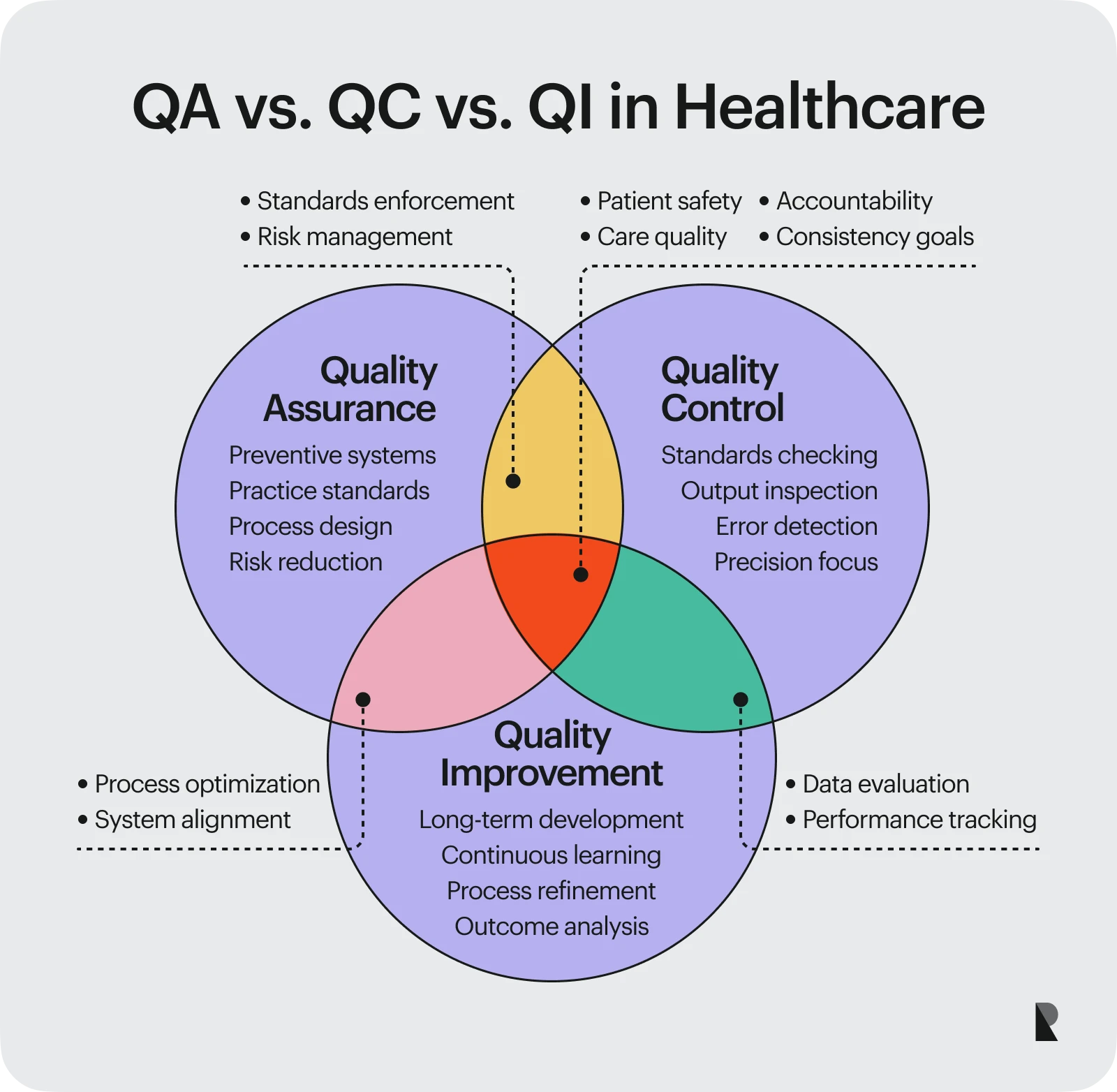

Evaluating the quality of care in today’s complex healthcare landscape requires more than just a quick glance at star ratings. For patients and administrators alike, medical service quality represents the intersection of clinical outcomes, communication, and the efficiency of the patient journey. Understanding how to effectively interpret feedback—ranging from structured surveys to informal digital reviews—is essential for fostering trust and ensuring that care standards meet evolving patient expectations. By moving beyond anecdotal evidence and embracing a structured, analytical approach to patient voice, clinics can identify critical operational gaps and implement meaningful, data-driven improvements.
In this guide, we explore the mechanisms that transform raw patient feedback into actionable insights. Whether you are a patient looking to make an informed decision through patient satisfaction ratings or a provider seeking to refine your practice, you will learn how to distinguish between subjective sentiment and objective quality, navigate the ethical challenges of data management, and build a culture of transparency that consistently delivers excellence in medical care.
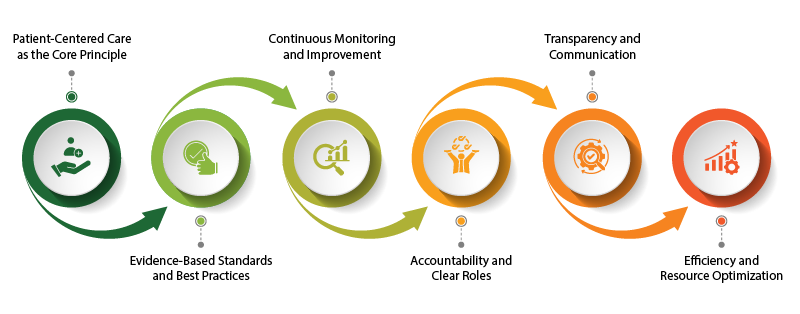
1. Mastering Medical Service Quality Through Comprehensive Patient Feedback Analysis
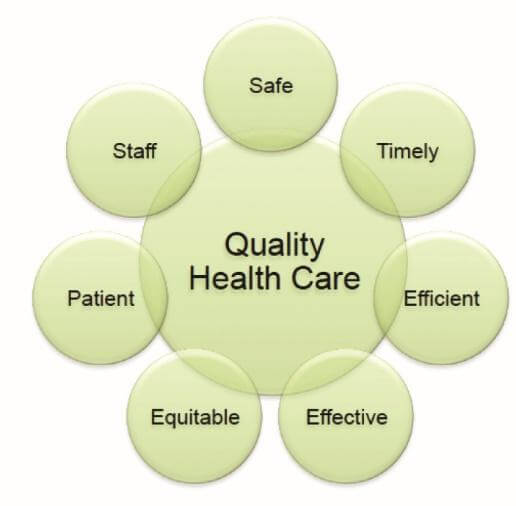
Evaluating medical service quality has shifted from a passive administrative task to a dynamic, data-driven strategy essential for modern healthcare excellence. In an era where patients are increasingly informed, clinics must move beyond superficial metrics to understand the true drivers of care delivery. By systematically analyzing feedback, healthcare providers can pinpoint specific areas for improvement, ranging from bedside manner to clinical workflow efficiency.
1.1 The Strategic Evolution of Patient Experience Data
The collection of patient experience data has evolved into a cornerstone of clinical operations. It is no longer just about gathering comments; it is about utilizing structured data to drive institutional change and refine care standards.
1.1.1 Distinguishing Between Subjective Satisfaction and Objective Quality Metrics
It is vital to differentiate between how a patient feels about their visit—subjective satisfaction—and the actual clinical quality delivered. While a patient may be satisfied with a friendly receptionist, objective quality relates to clinical outcomes, safety protocols, and adherence to evidence-based practice. Effective evaluation requires balancing patient-reported experiences with clinical KPIs to create a holistic view of performance.
1.1.2 The Role of Patient Sentiment in Regulatory Compliance and Reputation Management
Patient sentiment serves as a leading indicator of potential risks and opportunities. Proactive monitoring of this sentiment is not only essential for maintaining a positive brand reputation in a competitive digital landscape but also aids in meeting regulatory transparency requirements. When facilities act on feedback, they demonstrate a commitment to safety and continuous improvement, which is often audited by accrediting bodies.
1.2 Establishing a Framework for Effective Data Collection
A robust feedback loop depends on the methodology used to capture patient voices. Without a standardized approach, data remains fragmented and actionable insights become difficult to identify.
1.2.1 Leveraging Standardized HCAHPS Surveys for National Benchmarking
Standardized tools like HCAHPS (Hospital Consumer Assessment of Healthcare Providers and Systems) are foundational for measuring medical service quality on a national scale. These surveys allow clinics to benchmark their performance against peers, providing a validated framework to assess how patients perceive their care delivery. For more granular insights into clinic performance, you can review patient satisfaction ratings: how to evaluate clinic quality to refine your internal data collection efforts.
1.2.2 Implementing Real-Time Digital Sentiment Tracking Tools
While annual surveys provide broad data, real-time sentiment tracking offers immediate insight into the patient journey. Digital tools that capture feedback shortly after a consultation allow for rapid intervention, helping clinics address minor operational frustrations before they escalate into persistent quality gaps.
1.2.3 Best Practices for Managing Voluntary Reporting and Third-Party Digital Reviews
Voluntary feedback on third-party platforms is often raw and unfiltered. Managing this requires a structured response protocol. By analyzing these public narratives, administrators can identify recurring service failures and address them directly, demonstrating transparency and accountability to the wider community.
1.3 Navigating Privacy and Ethical Considerations
Ethical data management is the bedrock of patient trust. Any system designed to evaluate quality must prioritize the security and integrity of the information gathered.
1.3.1 Ensuring HIPAA Compliance in Qualitative Data Management
All feedback platforms must be fully HIPAA-compliant to protect patient privacy. This includes encrypting data transmission and ensuring that any qualitative commentary, which may inadvertently contain Protected Health Information (PHI), is scrubbed or secured before being shared with staff for performance review purposes.
1.3.2 Addressing Response Bias and Representativeness in Patient Sampling
To ensure data accuracy, clinics must account for response bias. A system that only captures feedback from the most vocal patients—either those who are extremely happy or extremely dissatisfied—fails to represent the quiet majority. Employing randomized sampling methods helps ensure that quality improvement initiatives are based on a truly representative cross-section of the entire patient population.
2. From Data Insights to Sustained Operational Improvement

2.1 Advanced Methodologies for Analyzing Feedback Streams
Collecting raw data is only the first step in enhancing medical service quality. To truly move the needle, healthcare organizations must transition from passive observation to active, evidence-based analysis. By utilizing sentiment analysis, clinics can automatically categorize patient feedback to pinpoint recurring clinical pain points—such as long wait times or communication gaps—that might otherwise be buried in anecdotal reports. When these digital sentiment tools are paired with a granular approach, such as segmenting data by department, individual provider, or specific patient demographics, leaders can move away from broad, ineffective generalizations. This targeted view allows administrators to identify if a service failure is isolated to a specific administrative workflow or if it reflects a deeper, systemic issue that requires a shift in departmental policy. Ultimately, performing a rigorous root cause analysis on these persistent operational gaps ensures that resources are directed toward fixing the actual source of the problem rather than simply masking symptoms.
2.2 Implementing Actionable Change and Quality Initiatives
Once you have identified actionable insights, the focus must shift to implementation. Not every improvement can happen simultaneously, which is why utilizing prioritization matrices is essential for weighing the urgency of a clinical issue against the feasibility of the proposed fix. Change is most effective when it is collaborative. By involving frontline staff in the development of evidence-based quality protocols, you build internal buy-in and benefit from the practical expertise of those who interact with patients daily. This collaborative atmosphere helps shift the institutional culture away from defensive reactions toward feedback and toward a shared mission of continuous excellence. Furthermore, closing the communication loop with patients—by informing them that their feedback has directly resulted in a tangible change—is one of the most effective strategies for building long-term trust and loyalty. For more comprehensive approaches, you can review clinic feedback analysis and strategies for improving patient satisfaction to ensure your team is aligned with industry-standard excellence.
2.3 Continuous Monitoring and Quality Verification
Quality improvement in a clinical setting is rarely a one-time project; it is a longitudinal commitment. To maintain progress, leadership must set realistic benchmarks that allow for steady, incremental growth rather than expecting immediate, radical shifts in patient satisfaction ratings. These benchmarks should be clearly defined and reviewed regularly to ensure that process changes are yielding the intended results. By rigorously measuring the impact of every implemented change on patient outcomes, clinics can verify whether their new protocols are actually working as intended. This cycle of monitoring, verification, and adjustment creates a culture of accountability where data—not just intuition—drives every decision related to the patient experience.
Ultimately, enhancing medical service quality is not a destination but a continuous, iterative journey. By moving beyond simple metrics to embrace comprehensive patient feedback, healthcare providers can cultivate a culture of transparency and clinical excellence. True progress lies in the ability to listen deeply to the patient experience—whether through structured surveys or digital sentiment analysis—and translate those raw insights into meaningful, evidence-based process improvements. When clinics prioritize honest communication and commit to closing the feedback loop, they do more than just improve their ratings; they build lasting trust with their community.
As you work to refine your internal standards, remember that the most successful institutions are those that view every piece of feedback as a valuable asset for growth rather than a criticism of their work. For those looking to further their commitment to patient-centered care, exploring clinic feedback analysis and strategies to improve patient satisfaction can provide the necessary foundation for sustained excellence. By maintaining a focus on transparency and accountability, you ensure that your facility remains a trusted partner in the health and well-being of every patient you serve.