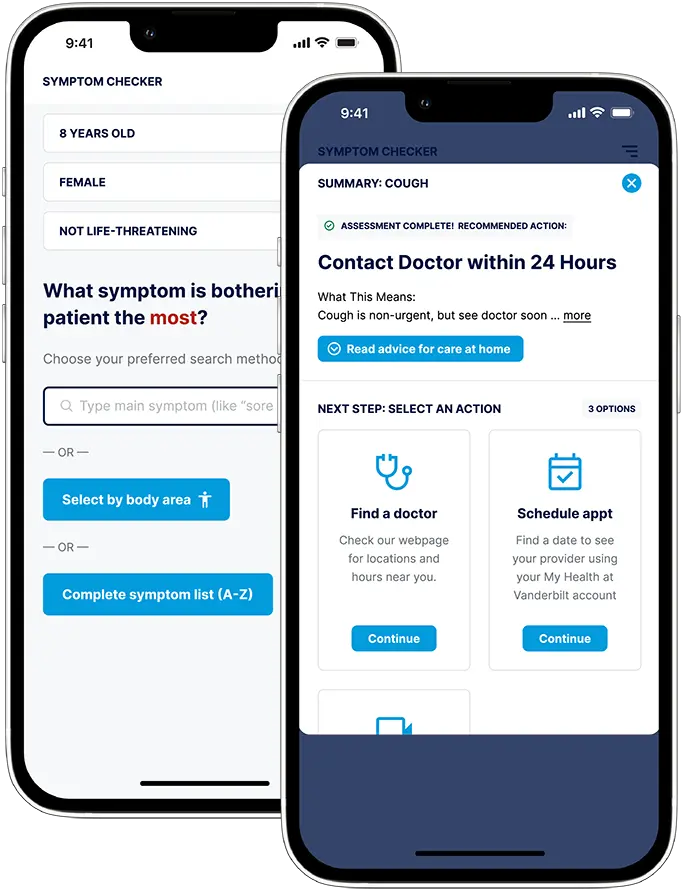

When you feel unwell, the first question is often, "How serious is this, and where should I go for help?" In an era where healthcare is increasingly digital, digital symptom assessment tools have emerged as a primary first step in navigating the modern medical landscape. These sophisticated platforms use algorithmic analysis to help patients evaluate their health concerns, acting as a gateway to informed decision-making. By leveraging clinical logic, these tools support more effective virtual health triage, bridging the gap between a sudden health worry and the appropriate level of care.
In this guide, we will explore how these systems function, the standards used to ensure patient safety, and how you can use them to advocate for your own health. Whether you are looking to avoid unnecessary emergency room visits or seeking clarity on whether to schedule a health screening consultation, understanding these digital resources is a vital skill for managing your personal well-being efficiently and effectively.
1. Understanding the Mechanics and Clinical Utility of Digital Symptom Assessment
1.1 How Clinical Decision Support Systems Power Virtual Triage
Modern digital symptom assessment platforms function as sophisticated Clinical Decision Support Systems (CDSS). Unlike early iterations, which were essentially decision trees, today’s tools utilize advanced AI-driven algorithmic analysis. These systems ingest structured and unstructured clinical data to compare a patient’s unique profile against vast databases of peer-reviewed medical literature and clinical protocols. By analyzing patterns in your responses, these tools can calculate the statistical probability of various conditions, offering a level of sophisticated medical logic that was previously limited to clinical settings.
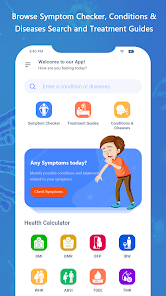
To provide accurate results, these systems require precise data inputs. This includes basic demographic profiling—such as age, sex, and known risk factors—and increasingly, longitudinal medical history. When a system understands your baseline health, it can better distinguish between routine symptoms and anomalies. By leveraging evidence-based medical logic, these platforms perform complex protocol mapping, ensuring that the generated guidance aligns with current best practices in healthcare. For patients, this process helps translate vague symptoms into clear, actionable health literacy and patient empowerment, turning confusion into a structured path toward the right provider.
1.2 Assessing the Clinical Safety and Accuracy Standards
It is vital to distinguish between medical-grade validation and simple consumer wellness apps. A truly robust symptom assessment tool is subject to rigorous clinical testing and regulatory oversight, ensuring that its algorithmic outputs are backed by medical evidence rather than generalized data sets. One of the most important features of a professional-grade platform is the presence of safety nets. These are hard-coded triggers designed to identify red flags—symptoms that require immediate emergency intervention. When a user reports chest pain, sudden vision loss, or difficulty breathing, the system must prioritize directing the user to emergency care, bypassing the standard triage questions to ensure rapid safety.
However, no algorithm replaces the clinician. This is why a human-in-the-loop requirement is essential for complex clinical scenarios. When a symptom is ambiguous or falls outside a system’s confidence threshold, the technology must trigger a hand-off to a licensed professional. You can learn more about how these safety measures function in our guide to medical triage guidance, which outlines how to safely navigate different care paths.
1.3 Balancing Patient Benefits and Healthcare System Efficiency
Digital triage tools serve as a bridge between patient anxiety and system capacity. By providing immediate, evidence-based responses, these tools effectively mitigate health anxiety, giving patients clarity on whether their symptoms warrant a wait-and-see approach or an urgent visit. From a systemic perspective, this reduces emergency department overcrowding by ensuring that individuals with non-urgent needs are routed to primary care, virtual visits, or urgent care centers. This site-of-care navigation is key to optimizing the flow of resources.
Beyond immediate triage, these digital platforms contribute to improved population health management. When integrated with electronic health systems, the data collected during an assessment becomes part of a continuous health record. This interoperability ensures that when you do arrive at a clinic, your provider already has a summary of your recent symptoms and the system’s preliminary analysis. This streamlined data exchange not only saves time but also supports more accurate longitudinal tracking, allowing healthcare systems to identify trends in patient populations and intervene before chronic conditions escalate.
2. Practical Implementation and Future Integration of Digital Symptom Assessment
2.1 Best Practices for Patients Using Virtual Triage Tools
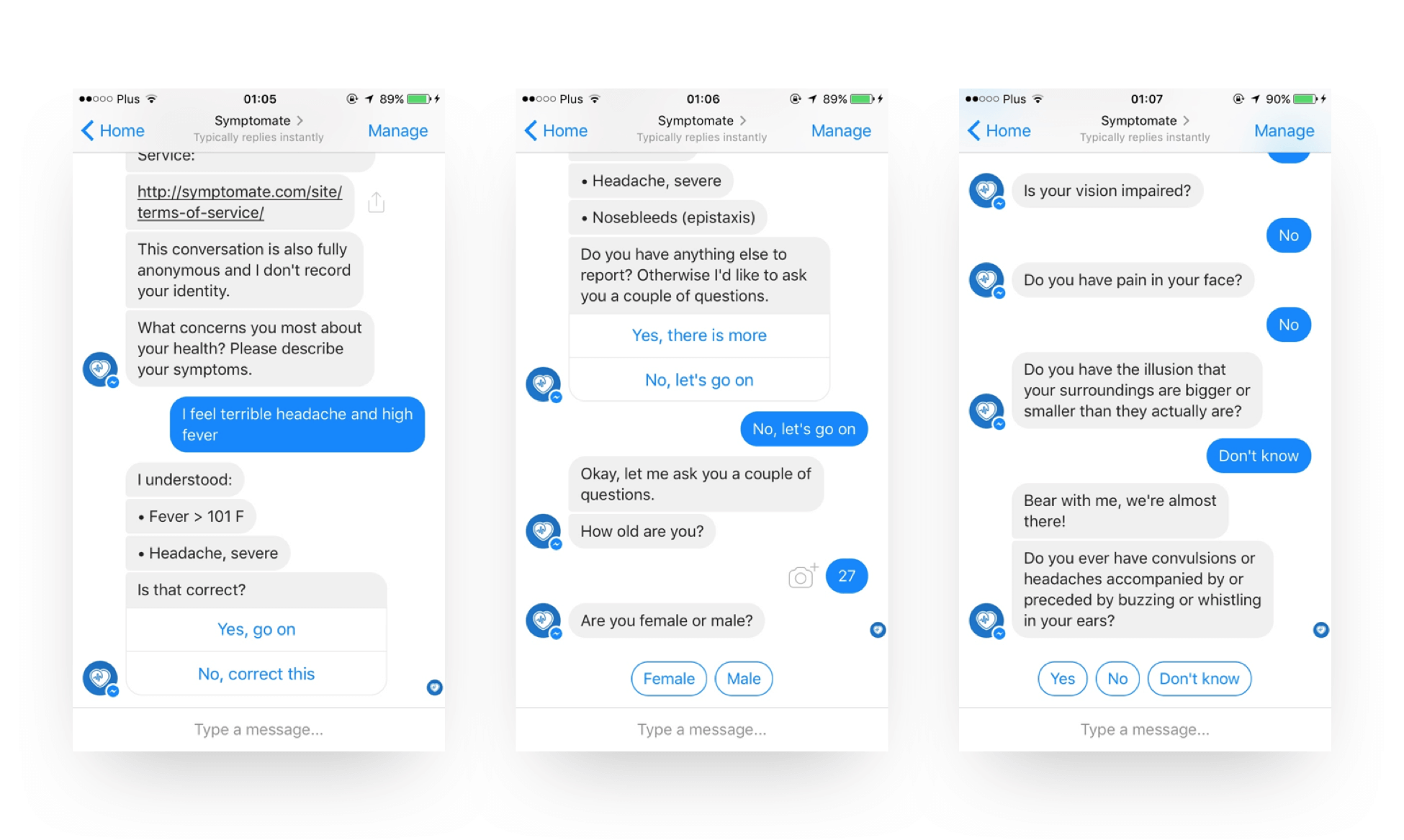
To maximize the effectiveness of digital symptom assessment, patients should approach these tools with clarity and preparation. Before starting an assessment, gather essential health records, including a current list of medications, known allergies, and a brief history of recent health changes. Having this information readily available ensures the data entered into the system is accurate, which is vital for high-quality telemedicine diagnostic support.
When documenting your symptoms, be as specific as possible regarding the onset, duration, and severity of your condition. Describe the sensation, location, and any factors that seem to alleviate or worsen the discomfort. If you are using a mobile app, ensure your environment is quiet and well-lit to facilitate accurate input.
Once you receive an output, treat the result as a guide rather than a definitive diagnosis. Probability reporting often highlights multiple possibilities; pay close attention to the recommended urgency levels. If the tool suggests emergency care, do not delay. Remember that while these platforms are excellent for medical triage guidance, they cannot replicate the nuance of a physical examination. Always consider the assessment alongside your personal health intuition and consult a professional if your condition does not improve as expected.
2.2 Strategic Considerations for Healthcare Organizations
For healthcare providers and organizations, deploying virtual triage requires a rigorous balance between technological innovation and patient safety. A primary concern is maintaining strict HIPAA compliance. All data collected during a symptom assessment must be encrypted, and integration with existing electronic health records (EHR) should occur through secure, interoperable APIs that protect patient privacy at every touchpoint.
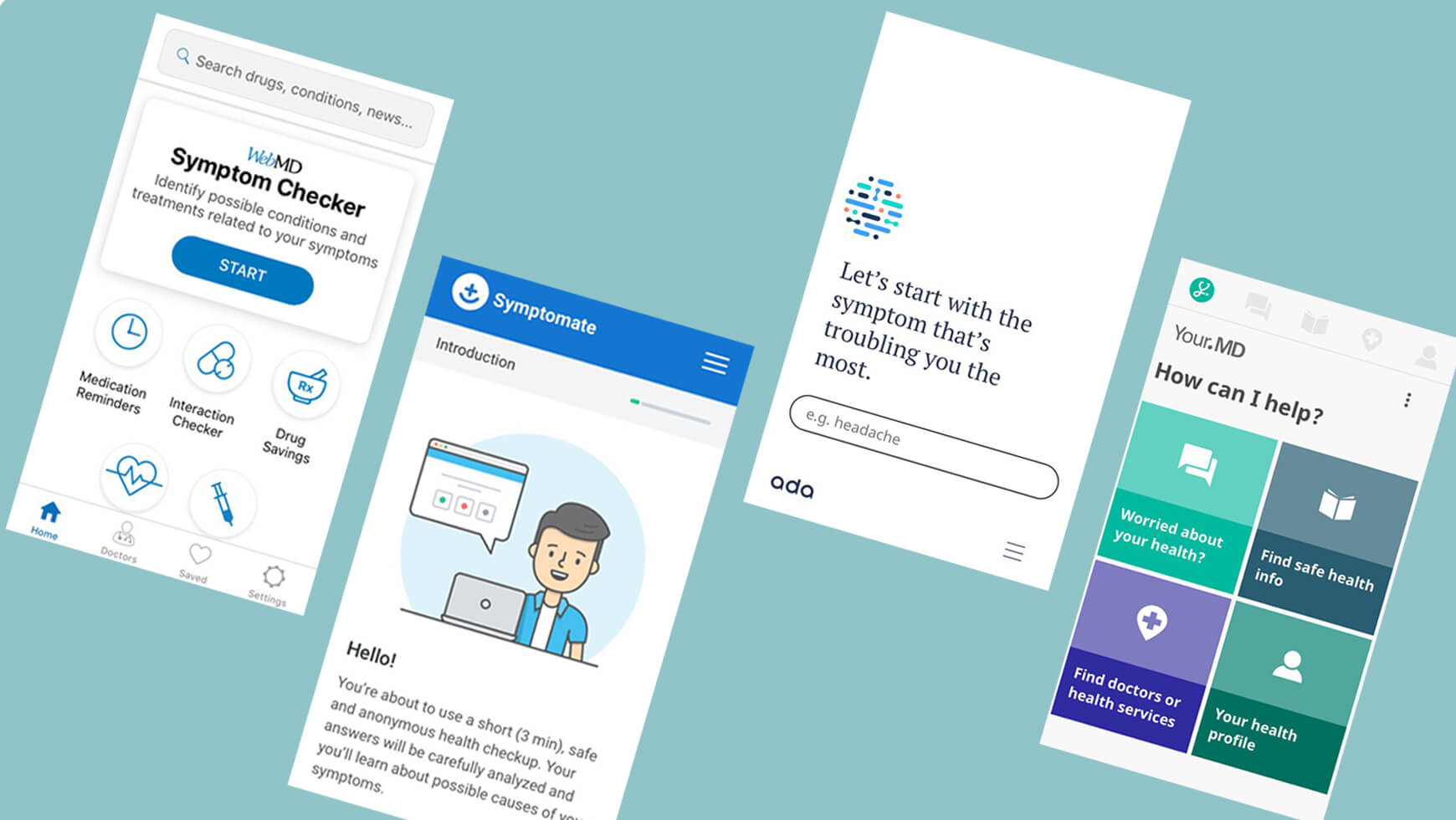
UX design is equally critical. Tools must be accessible to diverse patient populations, including those with varying levels of health literacy and digital proficiency. Simple, intuitive interfaces that avoid overly complex medical jargon encourage higher completion rates and more reliable data collection.
Integration strategies should focus on seamless transitions. When a patient concludes a virtual assessment, the system should ideally offer a direct path to the next logical step—such as scheduling a telehealth appointment or routing the patient to the nearest appropriate facility. By embedding these tools into existing clinical workflows, organizations can better manage patient flow and reduce unnecessary strain on emergency departments.
2.3 The Future Landscape of Digital Triage and Continuous Monitoring
The next phase of digital triage involves moving from episodic, point-in-time assessments to continuous, data-driven health monitoring. The integration of real-time data from wearable health monitors—such as smartwatches and IoT-connected medical devices—will allow symptom assessment tools to detect subtle trends that a patient might overlook. This shift toward personalized health predictive analytics enables a more proactive model of care.
Interoperability will remain the cornerstone of this evolution. Future systems will likely bridge the gap between home-based tracking and in-person clinical environments, ensuring that when a patient walks into a clinic, their provider has a comprehensive, longitudinal view of their health data. This seamless connectivity not only improves the accuracy of virtual health triage but also supports the broader goals of population health management by identifying risk factors before they manifest as acute symptoms. As these technologies mature, they will become indispensable allies in providing efficient, evidence-based medical navigation for every patient.
Digital symptom assessment represents a significant shift toward a more proactive, patient-centered approach to healthcare. By leveraging clinical decision support systems, these tools provide an essential bridge between initial concern and appropriate action, helping to ensure that patients receive the right level of care at the right time. While these virtual platforms cannot replace the nuance of a physical examination or the expertise of a licensed physician, they serve as powerful aids in navigating the complexities of modern medical systems. By fostering greater health literacy and patient empowerment, these technologies allow you to approach your wellness with clarity and confidence.
As you incorporate these digital resources into your healthcare routine, remember that they are most effective when used as part of a comprehensive strategy. Whether you are performing a [https://clinic.jasma.org/telemedicine-diagnostic-support-a-guide-to-better-care.html]telemedicine diagnostic support assessment or preparing for an upcoming visit, clarity and preparation remain your best allies. By combining the convenience of virtual triage with informed, in-person clinical follow-ups, you can build a more resilient and responsive relationship with your healthcare providers, ultimately leading to more personalized health outcomes.