

Meal prepping is the practice of preparing meals or meal components ahead of time. Since it involves planning what you’ll eat in advance, it often supports healthier eating habits over time.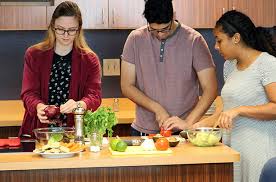
Having meals prepared ahead can make portion control easier and help you stay focused on your nutrition goals. It also lowers the chance of relying on takeout or frozen convenience foods, especially on busy or tiring days.
Planning meals in advance can naturally lead to more balanced and nutrient-rich food choices.
Below, we outline the essential concepts of meal prepping and explain how to get started using simple, practical steps.
Common Meal Prep Methods
Meal prepping doesn’t require spending an entire day cooking. There are several flexible approaches to choose from.
Popular meal-prep options include:
-
Fully cooked meals: Complete meals prepared in advance, stored in the refrigerator, and reheated when needed. This method works especially well for dinners.
-
Cooking in bulk: Preparing large quantities of one recipe and dividing it into individual portions that can be frozen and eaten later. This is ideal for lunches or dinners.
-
Pre-portioned meals: Cooking meals and separating them into single-serving containers to refrigerate and eat over several days. This option is convenient for breakfasts or lunches.
-
Ingredient preparation: Prepping ingredients ahead of time—such as washing, chopping, or measuring—to shorten daily cooking time.
These approaches can be combined based on your schedule and preferences. Start with the method that feels most manageable, then experiment with others over time.
Choosing What to Prepare
Begin by deciding which meals you want to make ahead and which meal-prep method best fits your lifestyle.
Next, review your upcoming schedule to determine how many breakfasts, lunches, and dinners you’ll need. Be sure to factor in meals you expect to eat out, such as social gatherings, work events, or restaurant meals.
When selecting recipes, start with a small number of familiar dishes. This makes meal prepping easier and helps you stay consistent.
At the same time, avoid relying on a single recipe for the entire week. Too little variety can lead to boredom and may limit the range of nutrients you consume.
Aim to include a mix of vegetables, fruits, protein-rich foods, and complex carbohydrates such as quinoa, brown rice, or sweet potatoes.
Meals That Are Easy to Prep Ahead
-
Coconut Curry Shrimp Stir-Fry
-
Steak Salad with Cherry-Balsamic Salsa
-
Thai Chicken Wraps with Quick Pickles
-
Greek-Style Pita “Tacos” with Tzatziki and Cucumber Salsa
-
Roasted Chicken Tacos with Avocado
Tips for Saving Time
Stick to a Routine
Meal prepping is easier to maintain when it follows a regular schedule. Knowing when you’ll shop for groceries and prepare meals reduces stress and simplifies decision-making.
For example, you might choose a weekend morning for shopping and cooking or set aside one evening during the week to prep lunches. The key is choosing a routine that fits your lifestyle.
Plan Around Cooking Methods
To work efficiently, select recipes that use different appliances. Preparing too many dishes that rely on the same equipment—such as the oven—can slow the process.
A helpful guideline is to plan one oven-based meal and no more than two stovetop dishes at a time, then include no-cook items like salads or sandwiches.
Organize Your Workflow
A well-planned workflow can significantly reduce time in the kitchen.
Start with the dish that takes the longest to cook, such as a soup or baked meal. While it cooks, prepare the remaining recipes. Leave cold meals for last, since they can be assembled quickly.
Before starting, review all recipes to identify shared ingredients. If multiple meals call for chopped onions or sliced peppers, prepare them at the same time.
Using appliances like slow cookers or rice cookers can further streamline the process.
Shop Strategically
Creating a detailed grocery list organized by store sections can help you shop faster and avoid backtracking.
Limiting grocery shopping to once per week or using grocery delivery services can also save time.
Storing Prepared Meals
The containers you choose can affect freshness and food quality. Consider the following options:
-
Airtight containers for ingredients: Reusable silicone bags or stainless steel containers help keep food fresh.
-
Microwave-safe, BPA-free containers: Glass containers or collapsible silicone options are ideal for reheating.
-
Freezer-safe containers: These help prevent freezer burn and preserve nutrients. Wide-mouth mason jars work well if you leave at least 1 inch (2.5 cm) of space for expansion.
-
Leak-proof containers with compartments: Useful for lunches or meals that need ingredients mixed just before eating, such as bento-style containers.
Using stackable or similarly shaped containers can help maximize space in your refrigerator, freezer, or bag.
Food Safety Guidelines
Following proper food safety practices is essential when meal prepping. Keep these government-recommended guidelines in mind:
-
Maintain safe temperatures: Keep your refrigerator at or below 40°F (5°C) and your freezer at 0°F (-18°C).
-
Cool food promptly: Refrigerate cooked or purchased food within two hours. Spread food into shallow containers to speed cooling.
-
Follow storage timelines: Cook poultry, fish, and fresh meat within two days of purchase; cook red meat within 3–5 days. Store raw meat on the bottom shelf of the refrigerator.
-
Cook thoroughly: Meats should reach an internal temperature of at least 165°F (75°C).
-
Thaw safely: Defrost food in the refrigerator or in cold water, changing the water every 30 minutes.
-
Limit reheating: Reheat foods only once to reduce the risk of foodborne illness.
-
Reheat completely: Heat meals to 165°F (75°C) and eat defrosted frozen meals within 24 hours.
-
Label containers: Date and label all meals to track freshness.
-
Observe storage limits: Consume refrigerated meals within 3–4 days and frozen meals within 3–6 months.
Key Takeaway
Meal prepping is a practical strategy for saving time while supporting healthier eating habits.
Depending on your goals and schedule, meal prep may involve cooking in bulk, preparing full meals ahead of time, or prepping ingredients for quick assembly.
Find the approach that works best for you, and choose one day each week to plan meals, shop for groceries, and prepare food.