
In today’s rapidly evolving digital healthcare environment, the reliability of diagnostic tools and clinical software is just as critical as the medical expertise provided by practitioners. A medical technology infrastructure assessment serves as the backbone for sustainable clinical growth, ensuring that every hardware component, software interface, and data protocol functions in harmony. Without a rigorous evaluation of these systems, clinics risk operational bottlenecks, cybersecurity vulnerabilities, and compromised patient care. As healthcare providers strive to meet stringent healthcare facility accreditation compliance standards, understanding the technical landscape of their facility becomes a mandatory practice rather than an optional audit. This guide explores the essential frameworks, methodologies, and forward-thinking strategies required to evaluate and optimize your medical technology. By identifying technical debt and aligning digital assets with clinical goals, you can build a more resilient infrastructure that supports superior patient outcomes and streamlines daily workflows.

1. Comprehensive Frameworks for Medical Technology Infrastructure Assessment
A rigorous medical technology infrastructure assessment serves as the foundation for both patient safety and institutional efficiency. By evaluating the collective health of your technical ecosystem, administrators can transition from reactive troubleshooting to a proactive model of care delivery. This framework is not merely about updating hardware; it is about ensuring that every digital and physical touchpoint contributes to high-quality clinical outcomes.
1.1 Core Components and Lifecycle Management
Effective management requires a deep understanding of how disparate systems interact within a clinical environment. Infrastructure is not a monolith; it is a complex web of assets that demands a structured lifecycle approach to prevent obsolescence and ensure continuity of care.
1.1.1 Hardware and Specialized Clinical Device Integration
Hardware assessment begins with an exhaustive inventory of bedside monitors, diagnostic imaging tools, and mobile workstations. Beyond simple counts, this process examines the physical condition, power requirements, and connectivity protocols of each device. Integration is the primary challenge here; if a specialized imaging machine cannot seamlessly transmit files to the electronic health record (EHR) system, the data becomes an island, hindering diagnostic speed and accuracy.
1.1.2 Software Architecture and Interoperability Layers
Software is the connective tissue of modern healthcare. An assessment must evaluate whether your existing architecture relies on legacy code that creates bottlenecks or if it utilizes modern, API-driven frameworks that support true interoperability. Assessing these layers ensures that different platforms—from lab information systems to patient portals—can “speak” to one another, which is a core component of healthcare facility accreditation compliance.
1.1.3 Data Security Frameworks and Patient Privacy Protocols
With the rise of connected medical devices, the attack surface of a clinical facility has expanded significantly. Infrastructure assessments must verify that end-to-end encryption is active for both data at rest and data in transit. This involves auditing access controls and ensuring that micro-segmentation is in place to isolate critical patient data from general internet-facing systems.
1.2 Regulatory and Compliance Standards
Infrastructure is governed by stringent regulatory requirements designed to protect the patient. Failure to align your technology with these mandates can result in severe legal penalties and a loss of public trust.
1.2.1 Navigating FDA Guidelines and ISO 13485 Requirements
When assessing medical devices, facilities must ensure that all technology meets FDA guidelines for safety and performance. Adherence to ISO 13485 is equally critical for organizations looking to maintain a quality management system for medical devices. The assessment process should confirm that any updates or configuration changes to these systems do not invalidate their regulatory certification.
1.2.2 HIPAA and HITECH Mandates for Health Data Integrity
Maintaining the integrity of protected health information (PHI) is a non-negotiable aspect of infrastructure health. Assessments must verify that audit logs are immutable and that backup systems are sufficiently robust to withstand ransomware attacks. The goal is to ensure that patient records are always available, accurate, and protected from unauthorized disclosure.
1.3 Operational Efficiency and Performance Metrics
Technology should ultimately be measured by its ability to facilitate better care. Assessing infrastructure performance involves looking past vanity metrics to understand how systems impact the daily workflow of clinical staff.
1.3.1 Measuring System Uptime and Latency in Clinical Settings
In a clinical environment, even a few seconds of latency can be the difference between a successful intervention and a missed critical alert. Assessment tools must track real-time system uptime and measure response times across the network. If your infrastructure consistently shows high latency during peak hours, it is a clear indicator that the network backbone requires optimization.
1.3.2 Resource Utilization and Technical Debt Identification
Technical debt accrues when a facility chooses an easy, short-term fix over a scalable, long-term solution. A thorough assessment identifies where legacy systems are draining resources—not just in terms of maintenance costs, but in the cognitive load they place on clinicians. By mapping out underutilized hardware and outdated software modules, leaders can allocate their limited budget toward upgrades that provide the highest return on investment for patient safety.
2. Execution Methodology and Future-Proofing Medical Technology Infrastructure Assessment
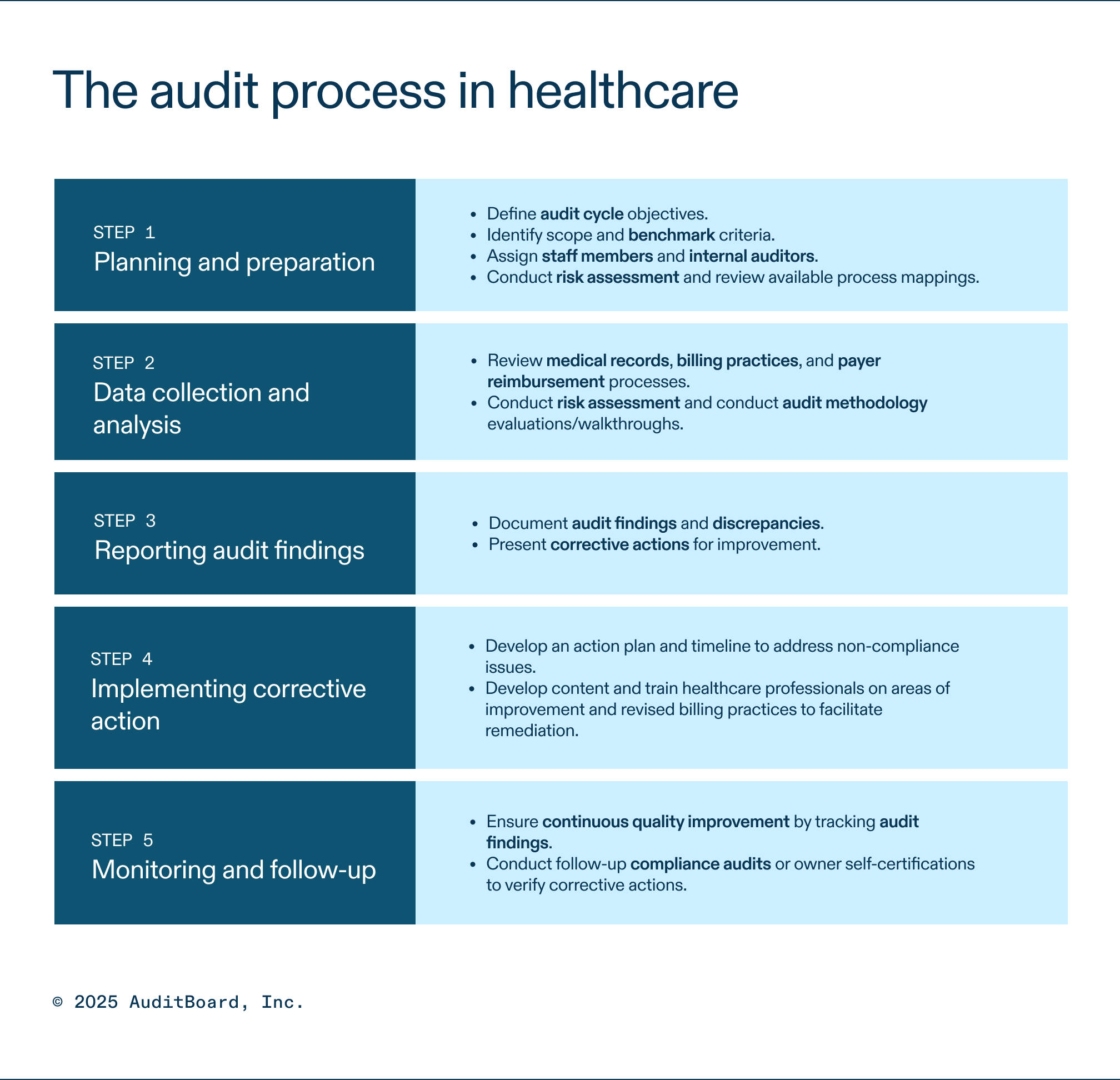
Executing a medical technology infrastructure assessment requires a disciplined, multi-phase approach to ensure that clinical environments remain resilient and compliant. By moving from a state of reactive maintenance to a proactive, structured methodology, healthcare organizations can identify hidden risks before they impact patient safety.
2.1 Systematic Assessment and Risk Mitigation Strategies
2.1.1 Phase One: Asset Cataloging and Workflow Auditing
The foundation of any assessment is a comprehensive audit of all medical devices and IT assets. This involves documenting not just the hardware—such as diagnostic imaging machines or patient monitors—but also the software versions, firmware updates, and legacy interdependencies. Simultaneously, teams must perform workflow auditing to understand how these tools fit into daily clinical processes. This dual-focus ensures that the assessment captures the practical reality of how technology impacts patient care workflow optimization.
2.1.2 Phase Two: Gap Analysis and Cybersecurity Vulnerability Scanning
Once the inventory is complete, the organization must perform a rigorous gap analysis against current healthcare quality benchmarks. This phase identifies where existing infrastructure fails to meet modern standards for performance, security, or data handling. Crucially, this stage includes deep-dive vulnerability scanning to pinpoint entry points for cyber threats, ensuring that patient data privacy protocols remain robust against evolving digital risks.
2.1.3 Phase Three: Stakeholder Engagement and Cross-Departmental Alignment
Technological infrastructure does not exist in a vacuum. It is vital to bridge the communication gap between clinical staff, hospital administration, and IT professionals. By fostering cross-departmental alignment, organizations ensure that the assessment priorities reflect both clinical necessity and budgetary reality, preventing the common issue of technical upgrades that do not actually serve the end-user’s needs.
2.1.4 Phase Four: Establishing Iterative Monitoring Loops
A medical technology infrastructure assessment is not a one-time event; it is an ongoing process. Establishing continuous monitoring loops allows for the real-time tracking of system health and performance. These loops provide the data necessary to adjust maintenance cycles and identify signs of equipment fatigue, shifting the culture toward a model of persistent improvement.
2.2 Trends Transforming Medical Infrastructure
2.2.1 Cloud-Native Scalability in Healthcare Systems
The shift toward cloud-native architecture is fundamentally changing how healthcare facilities manage data storage and processing. By offloading resource-heavy tasks to secure, scalable cloud environments, hospitals can maintain high availability and disaster recovery capabilities without the overhead of massive, on-site server rooms.
2.2.2 Integrating Artificial Intelligence into Diagnostic Networks
Artificial intelligence is no longer a futuristic concept but a central pillar of modern diagnostic networks. Integrating AI requires an infrastructure that supports high-bandwidth data transmission and low-latency processing, enabling real-time clinical decision support that was previously impossible.
2.2.3 Predictive Asset Management versus Reactive Maintenance
Forward-thinking facilities are moving away from reactive “break-fix” maintenance. Instead, they use predictive analytics to monitor device performance metrics, allowing teams to service hardware exactly when it is needed, thereby maximizing uptime and reducing costs associated with unexpected equipment failure.
2.3 Overcoming Barriers to Infrastructure Optimization
2.3.1 Resolving Technical Silos Between Clinical and IT Departments
One of the largest hurdles to infrastructure success is the fragmentation of departments. Silos between IT and clinical staff often lead to mismatched priorities. To resolve this, facilities must implement unified governance structures that prioritize clinical outcomes over departmental convenience, ensuring all technical efforts are directed toward the common goal of excellence in patient care.
2.3.2 Managing Budgetary Constraints for High-Stakes Upgrades
High-stakes upgrades require a clear demonstration of return on investment. By using data from the infrastructure assessment to highlight how technical debt negatively impacts patient outcomes or compliance standing, leadership can better justify the allocation of funds. Prioritizing investments that address critical vulnerabilities or directly enhance efficiency provides a clear path for sustainable facility growth.
A thorough medical technology infrastructure assessment is far more than a routine IT audit; it is a fundamental pillar of modern clinical excellence. By systematically evaluating your hardware, software interoperability, and data security frameworks, you create a resilient environment that supports both regulatory adherence and, most importantly, patient safety. When clinical workflows are optimized through reliable technology, providers can reduce administrative friction, minimize diagnostic latency, and ultimately focus their expertise where it matters most: delivering high-quality care.
As you move forward with your optimization efforts, remember that infrastructure management is an iterative process rather than a one-time project. Staying aligned with evolving healthcare facility accreditation compliance standards will protect your institution’s reputation while ensuring you remain at the forefront of clinical innovation. By bridging the gap between technical maintenance and patient outcomes, you build a foundation that is capable of supporting the next generation of diagnostic tools and therapeutic interventions.
We encourage you to prioritize cross-departmental communication as you implement these findings. When clinical and IT teams work in lockstep, the entire organization benefits from a more agile, secure, and efficient healthcare delivery model. Investing in your infrastructure today is the most effective way to secure a future of sustained clinical and operational success.