

The rapid evolution of medical science has shifted the focus of modern medicine toward biomedical innovation in clinical settings, where the primary objective is no longer just discovering new therapies, but effectively integrating them into daily practice. For healthcare providers, the challenge lies in balancing cutting-edge technological advancement with the realities of patient care, cost constraints, and regulatory requirements. Successfully adopting these tools requires more than just capital investment; it demands a strategic roadmap that aligns new diagnostic and therapeutic capabilities with the core values of patient safety and clinical excellence.
In this guide, we explore the essential frameworks for identifying, vetting, and deploying new medical technologies. We will examine how to perform a medical technology infrastructure assessment to ensure your facility is prepared for digital transformation. By understanding how to manage the transition from experimental research to bedside application, clinics can improve clinical treatment outcomes while fostering a culture of continuous improvement that elevates the standard of care for every patient.
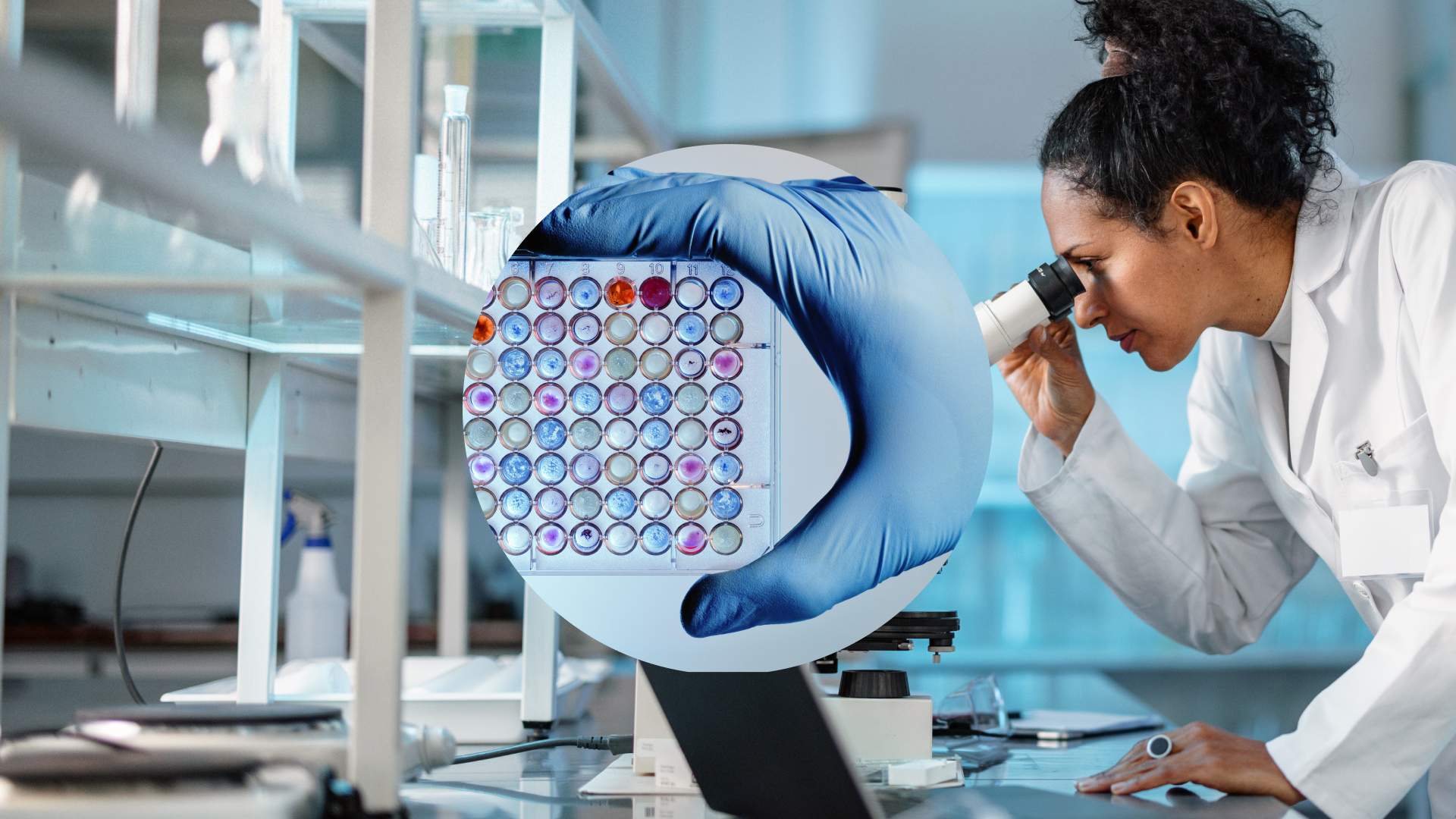
Successfully integrating biomedical innovation in clinical settings is more than a technical challenge; it is a fundamental commitment to evolving patient care. As we have explored, the transition from theoretical innovation to bedside application requires a delicate balance of robust infrastructure, cross-functional collaboration, and an unwavering focus on patient-centered outcomes. By bridging the gap between emerging medical technologies and daily operational workflows, clinics can move beyond mere adoption toward a culture of continuous improvement.
Ultimately, the goal of these advancements is to provide clinicians with the tools necessary to make data-informed decisions that improve clinical treatment outcomes. While navigating the complexities of regulatory pathways and data privacy is essential, the long-term rewards—greater diagnostic precision, streamlined processes, and enhanced patient safety—are well worth the investment. As the landscape of medical technology continues to shift, staying grounded in ethical standards and measurable quality benchmarks will ensure that your facility remains at the forefront of excellence. For those looking to refine their own standards of care, reviewing your current clinical treatment outcomes is an excellent starting point for identifying where future innovation can have the most significant impact on your patient community.