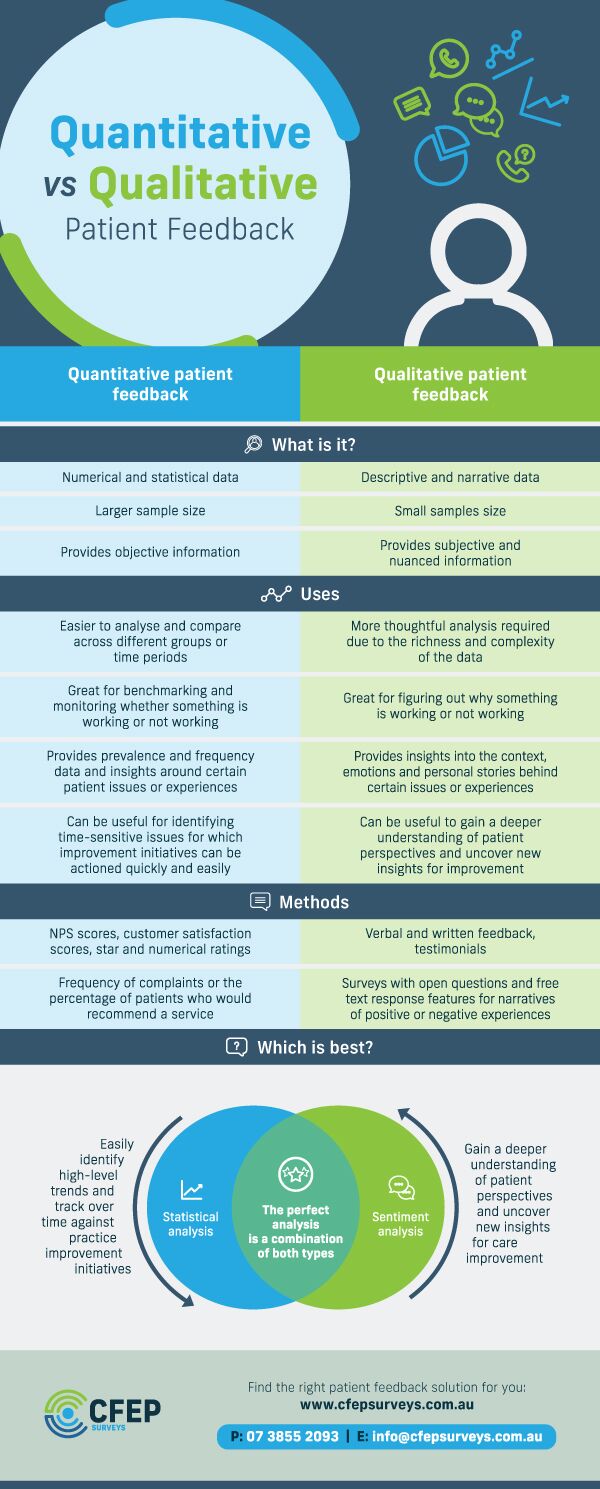

In today’s digital landscape, a medical practice is defined by far more than its clinical outcomes; it is defined by the narrative patients share online. Conducting a comprehensive clinic reputation analysis has become a non-negotiable step for healthcare leaders who want to maintain trust and stay competitive. Because modern patients often research providers through digital channels before ever booking an appointment, understanding what your community says about your practice is essential. By evaluating patient feedback, you gain critical insights into your facility’s strengths and the operational areas that may be quietly driving people away.
This guide explores how to move beyond basic star ratings to gain a deeper understanding of patient sentiment. We will look at how to gather actionable data, utilize modern analytic tools, and foster an environment of transparency. Whether you are looking to refine your patient intake process or enhance the overall quality of care, learning how to interpret and act on feedback is key to building a sustainable and highly regarded healthcare organization. Understanding these metrics is a foundational step in healthcare facility transparency and long-term success.
1. Mastering Clinic Reputation Analysis for Operational Excellence
Achieving operational excellence in modern healthcare requires more than just clinical precision; it necessitates a deep understanding of how patients perceive their care. Clinic reputation analysis serves as the cornerstone for this transformation, turning subjective experiences into actionable data. By systematically evaluating patient feedback, clinics can move beyond anecdotal evidence to create a data-driven culture that prioritizes patient needs, enhances service delivery, and ultimately fosters long-term institutional success.
1.1 The Strategic Importance of Monitoring Patient Sentiment
In the digital age, a clinic’s reputation is often defined by what is said in online forums and review platforms. Reputation management is no longer a peripheral marketing task; it is a core operational strategy. By monitoring patient sentiment, providers can identify gaps in service delivery that might otherwise remain hidden, allowing for proactive adjustments that align with patient expectations.
Patient experience data is directly tied to financial sustainability. High patient satisfaction ratings are strongly correlated with increased patient retention, lower acquisition costs, and improved referral rates. When patients feel heard and respected, they are more likely to return for follow-up care and recommend the practice to their inner circle, driving organic growth.
Public perception also shapes patient acquisition. Prospective patients frequently conduct thorough online research before choosing a provider, often weighing public sentiment as heavily as professional credentials. A clinic with a transparent, positive reputation signals reliability and competence, reducing the friction in the decision-making process for new patients.
1.2 Establishing Robust Frameworks for Data Collection
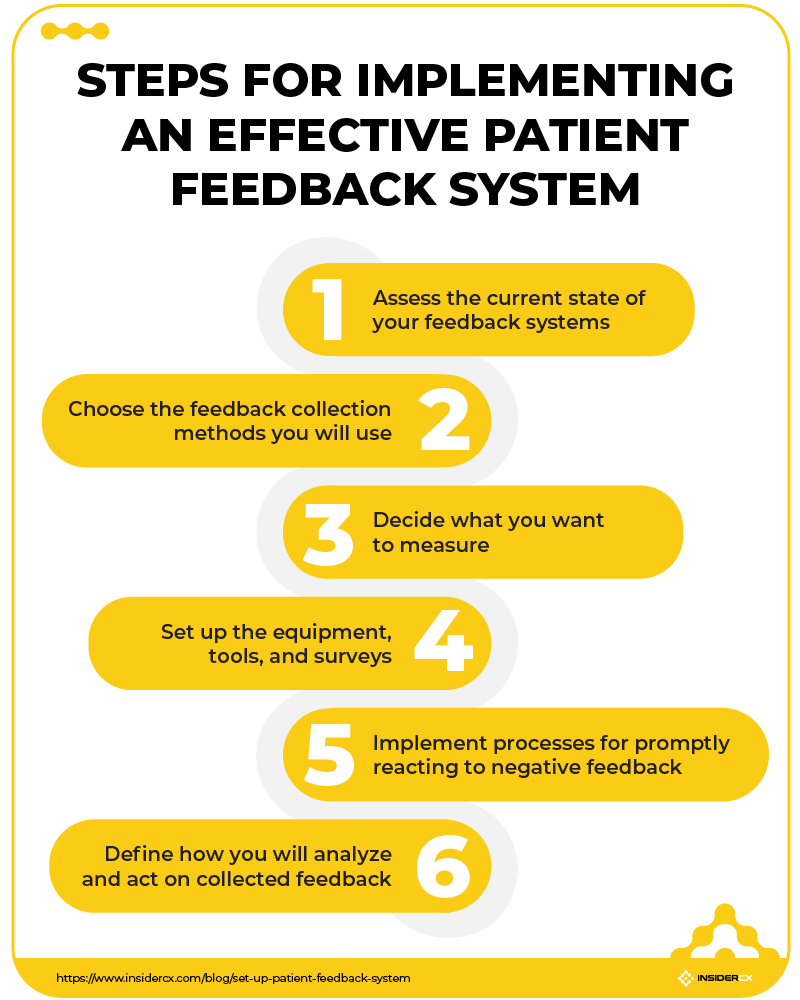
Collecting reliable data starts with using validated instruments. While standardized tools like HCAHPS (Hospital Consumer Assessment of Healthcare Providers and Systems) are designed for larger facilities, smaller practices can adapt these frameworks for internal metrics to ensure consistency in how quality is measured. These standardized questions help isolate specific areas, such as provider communication or facility cleanliness, which require immediate attention.
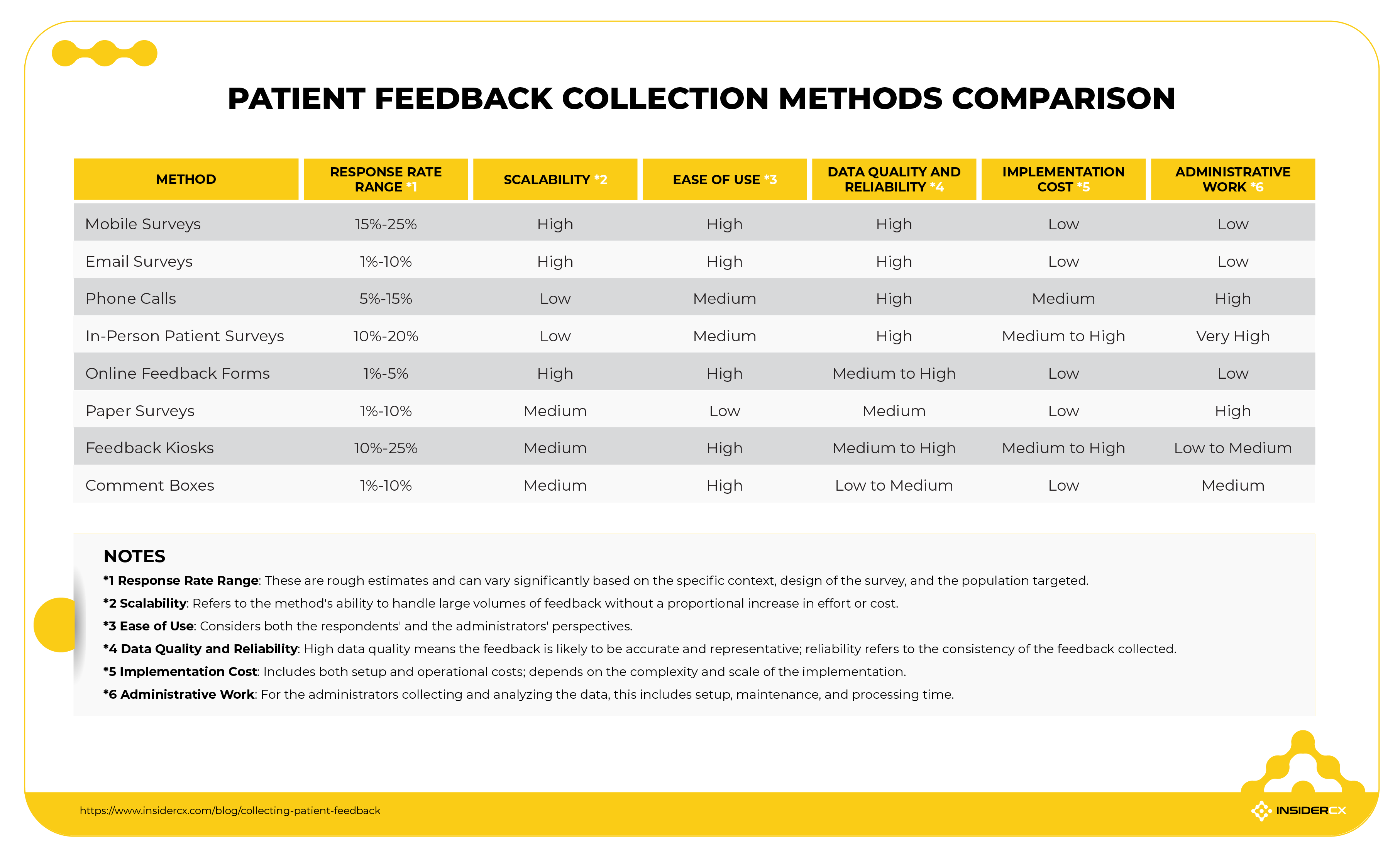
To capture a comprehensive picture, clinics must integrate automated digital feedback loops directly into the clinical workflow. By triggering follow-up surveys immediately after an appointment, clinics capture fresh, accurate reflections of the patient experience. This methodology helps you learn how to better utilize clinic feedback analysis to refine your front-desk interactions and clinical processes.
Soliciting honest input requires a delicate touch. It is vital to frame requests for feedback as a commitment to continuous improvement, ensuring patients feel their voices are valued without feeling pressured. By maintaining these professional boundaries, clinics encourage candid responses that lead to genuine service enhancements.
1.3 Leveraging Advanced Tools for Quantitative and Qualitative Analysis
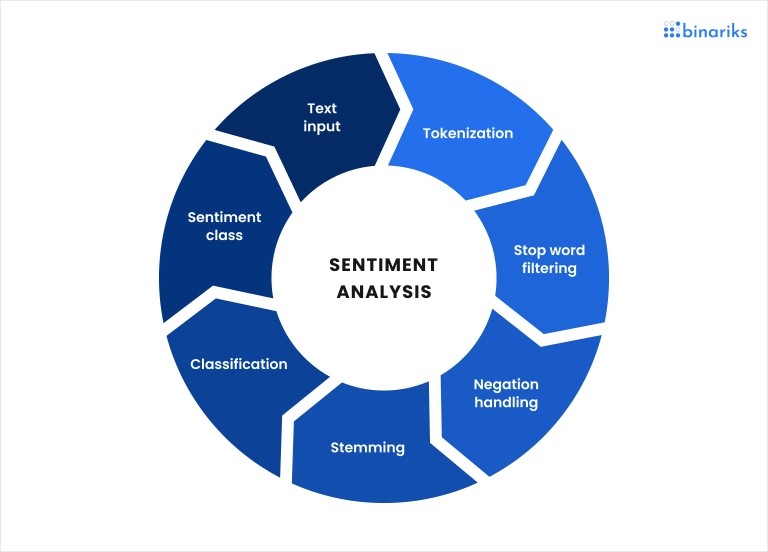
The sheer volume of feedback generated today can be overwhelming, making AI-driven clinical sentiment analysis methods essential. These tools can automatically categorize thousands of reviews or survey comments, identifying whether a patient’s tone is satisfied, neutral, or frustrated. This technology transforms unstructured text into structured insights, revealing hidden patterns that human staff might miss.
Advanced analysis allows management to distinguish between systemic operational bottlenecks—such as long wait times or difficult scheduling processes—and isolated incidents involving individual staff performance. Distinguishing between these two is critical for effective management; a scheduling issue requires a process overhaul, while staff feedback might suggest a need for additional training or communication support.
Finally, context is everything. Benchmarking your performance against regional and national healthcare facility transparency standards provides a clear baseline for your growth. By comparing your internal satisfaction scores against industry peers, you can celebrate your strengths and realistically identify the specific areas where your clinic needs to improve to maintain a competitive edge.
2. Transforming Patient Insights into Actionable Growth Strategies
2.1 Cultivating a Culture of Continuous Feedback and Improvement
A clinic’s reputation is not built on surveys alone; it is forged through the consistent application of patient feedback to everyday operations. To move beyond simple data collection, leadership must prioritize patient-centered communication training for both clinical and administrative teams. Staff should be empowered to view every interaction as an opportunity to reinforce trust, ensuring that communication is clear, empathetic, and responsive to individual needs. By fostering an environment where team members actively listen to concerns, clinics can identify friction points before they escalate into negative public reviews.
Closing the feedback loop is equally essential for building long-term credibility. When a facility acts on patient suggestions—whether by adjusting wait times, upgrading digital infrastructure, or enhancing the intake process—it is critical to communicate these changes back to the patient population. This transparency validates the patient’s voice and demonstrates that the clinic is a dynamic entity committed to growth. Furthermore, when instances of negative experiences do occur, developing personalized recovery protocols can transform a dissatisfied patient into a loyal advocate. By reaching out to address specific grievances with empathy and professional resolution, clinics can often rectify service gaps and improve overall medical service quality while demonstrating a sincere commitment to excellence.
2.2 Developing a Compliance-Focused Reputation Marketing Strategy
Navigating the digital landscape requires a balance between engagement and strict regulatory adherence. Healthcare provider reputation management must always operate within the framework of HIPAA compliance. When managing public reviews, staff must be trained to never confirm a patient’s identity or disclose private health information in a response. Instead, the focus should remain on general service recovery, inviting the patient to reach out privately to resolve their specific concerns. This approach protects patient privacy while showing the public that the clinic remains accountable and professional.
Developing ethical guidelines for responding to feedback ensures that your brand equity remains untarnished. Consistency is key; responding to positive and negative feedback alike demonstrates an active, caring presence. By highlighting systemic improvements and emphasizing clinical standards, a facility can convert high patient satisfaction ratings into sustainable brand authority. This strategic approach ensures that your online presence reflects the genuine, high-quality care being provided within your walls.
2.3 Essential Frequently Asked Questions regarding Reputation Health
2.3.1 Distinguishing between clinical outcomes and patient experience perceptions
Clinical outcomes measure the physiological results of treatment, such as recovery rates or blood pressure stabilization, while patient experience focuses on the human element, such as empathy, wait times, and clarity of communication. A clinic can have excellent clinical outcomes but still suffer from a poor reputation if patients feel unheard or rushed during their appointments.
2.3.2 Determining the optimal frequency for conducting internal reputation audits
Reputation audits should be conducted quarterly at a minimum. This frequency allows for the timely identification of emerging trends or recurring issues while providing enough data to distinguish between isolated incidents and systemic operational bottlenecks that require administrative intervention.
2.3.3 Mitigating legal and reputational risks associated with public review solicitation
When soliciting feedback, avoid incentivizing reviews, as this can violate platform terms of service and undermine the credibility of your data. Instead, create non-coercive, automated loops at the conclusion of care. Ensure that all solicitation methods are accessible to all patients regardless of their background to prevent bias in your data, and always provide an internal channel for serious complaints to be handled directly by your management team rather than in a public forum.
Ultimately, mastering clinic reputation analysis is not merely about tracking numbers on a spreadsheet; it is a foundational commitment to the patient experience. By systematically evaluating feedback, embracing clinical transparency, and refining your operational workflows, you transform passive data into a powerful engine for institutional growth. The transition from reactive crisis management to a proactive culture of continuous improvement is what distinguishes leading medical facilities from the rest of the pack. As patient expectations for digital accessibility and honest reviews continue to rise, those who prioritize active reputation management will build the lasting trust necessary for long-term clinical success.
For practices ready to deepen their commitment to quality, exploring how to better improve patient clinic experiences serves as the logical next step in your journey toward operational excellence. Remember that every piece of patient feedback is a valuable opportunity to refine your care standards and strengthen your brand equity. By maintaining an ethical, compliance-focused approach to your public reputation, you not only attract new patients but also foster deeper, more resilient relationships with the community you serve. Start auditing your facility’s footprint today to ensure that your reputation accurately reflects the high quality of care your team works hard to provide.