

When you are searching for a new healthcare provider, the sheer volume of information available can feel overwhelming. Beyond professional credentials and location, today’s patients rely heavily on patient care testimonials to gauge what a visit will truly be like. However, not all reviews are created equal, and knowing how to separate genuine, helpful insights from noise is an essential skill for any informed health consumer. Evaluating the quality of a clinic requires looking past star ratings to uncover the underlying consistency in how a medical team treats its patients.
In this guide, we will break down the strategies you need to effectively interpret feedback, identify red flags, and synthesize information from multiple sources. By learning to discern authentic patient experiences, you can gain a clearer understanding of overall medical service quality and ensure you select a provider who aligns with your specific needs. Whether you are prepping for an initial consultation or vetting a long-term specialty clinic, these steps will help you move from passive reading to confident, data-driven decision-making.
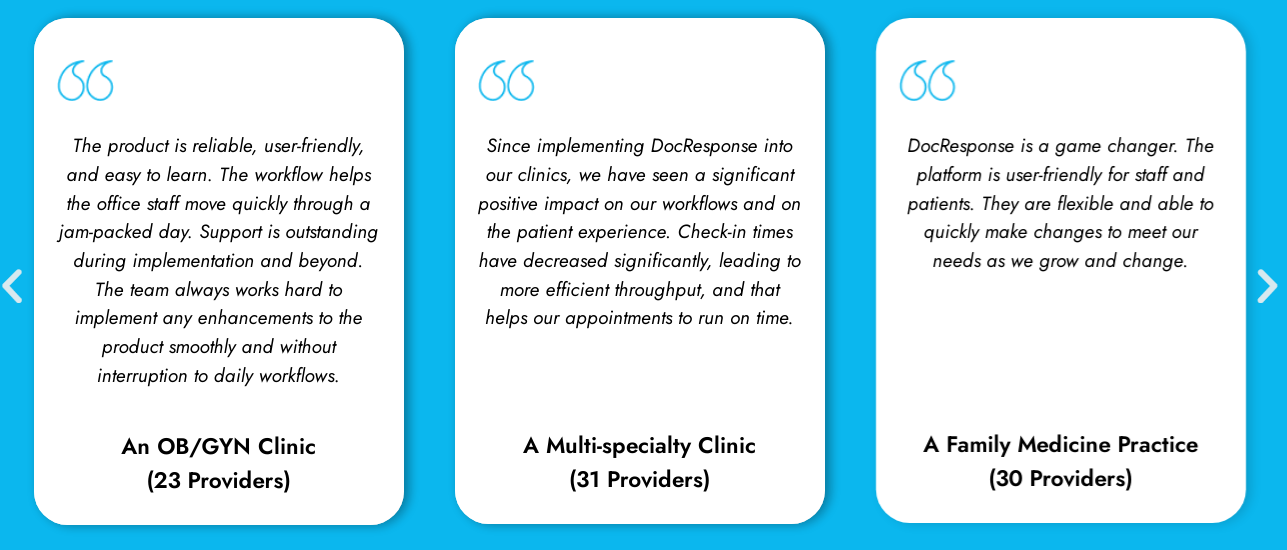
1. How to Authenticate and Interpret Patient Care Testimonials

Navigating the digital landscape of healthcare requires a discerning eye. While patient care testimonials can offer a window into the experiences of others, not every review provides a reliable account of medical service quality. Understanding how to filter through noise is the first step in making an informed decision about your health.
1.1 Distinguishing Genuine Feedback from Fabricated Content
The rise of review culture has unfortunately invited manipulation. To protect your research, learn to spot the difference between organic patient voices and artificial endorsements.
1.1.1 Identifying the markers of incentivized reviews
Incentivized content often lacks the messy, specific details of a real clinical visit. Be wary of reviews that sound like marketing copy, use overly polished language, or focus heavily on non-clinical amenities rather than the care provided. If you see a cluster of five-star reviews posted within a very short timeframe that all follow a similar sentence structure, these are frequently red flags suggesting that the clinic may be aggressively soliciting feedback or using automated services to inflate their ratings.
1.1.2 Filtering for emotional bias versus objective observations
Healthcare experiences are deeply personal, which naturally introduces emotional bias. A patient might leave a glowing review simply because a physician was friendly, even if the diagnostic process was flawed, or a negative review because of a long wait time despite receiving excellent clinical care. As you read, separate the subjective reaction—how the patient felt—from the objective observation—what actually happened during the appointment. Focus on comments that describe the specific protocols, the clarity of the explanations, and the efficiency of the facility operations.
1.2 Analyzing Specificity in Patient Narratives
The most useful reviews are those that provide granular, process-oriented insights. Vague praise like “the best doctor ever” offers little utility, whereas a detailed account of how a provider explained a complex treatment plan reveals much more about the practice.
1.2.1 Why process-oriented details matter more than outcome praise
Medical outcomes are often influenced by factors outside of a clinician’s direct control, such as a patient’s underlying health or genetics. Instead, look for reviews that detail the process: how tests were ordered, how results were communicated, and how accessible the staff remained throughout the recovery period. These narratives demonstrate medical service quality in action, highlighting whether the facility prioritizes patient education and shared decision-making.
1.2.2 Recognizing patterns of communication and bedside manner
When assessing a physician bedside manner evaluation, look for recurring themes regarding listening skills and empathy. Consistent reports of a provider interrupting patients, rushing through physical exams, or failing to answer questions are significant indicators of a systemic issue in that practice. Conversely, stories that mention a provider taking time to draw diagrams, explain side effects, or check in on the patient’s comfort level suggest a culture of patient-centered care.
1.3 Synthesizing Multi-Platform Review Data
A single platform rarely tells the full story. By cross-referencing information across multiple sources, you can build a more comprehensive view of the clinic’s true performance.
1.3.1 Comparing Google reviews with industry-specific medical portals
Google reviews are excellent for capturing administrative experiences like ease of parking or front-desk friendliness. However, niche medical portals often host more detailed feedback from patients dealing with chronic conditions or complex procedures. If a clinic has high ratings on Google but mediocre scores on specialized sites, it may suggest that they excel at surface-level convenience but struggle with long-term, complex case management.
1.3.2 Assessing the clinic’s response strategy to negative feedback
How a clinic handles criticism is often more telling than the criticism itself. A professional, empathetic response that invites the patient to take the conversation offline indicates that the facility values transparency and accountability. Avoid clinics that engage in defensive, aggressive, or dismissive public arguments with patients, as this is a clear sign that they prioritize reputation management over genuine improvement.
2. Using Patient Care Testimonials to Gauge Overall Clinic Quality

2.1 Evaluating Operational and Administrative Efficiency
2.1.1 Identifying red flags in scheduling and billing transparency
While clinical outcomes are the primary goal of any healthcare visit, administrative friction can signal broader organizational issues. When reading patient care testimonials, look for recurring complaints regarding long wait times, difficulty reaching a human representative, or sudden changes in appointment policies. These often indicate poor internal communication or overburdened staff, which can eventually bleed into the quality of patient care. Similarly, transparency in billing is a critical indicator of integrity. Reviews that highlight unexpected charges or a lack of clear insurance navigation should be taken seriously, as they reflect a clinic’s commitment—or lack thereof—to [Healthcare Facility Transparency](https://clinic.jasma.org/healthcare-facility-transparency-a-guide-to-patient-reviews.html). Consistent issues with these operational aspects often suggest that the facility prioritizes volume over the patient experience.
2.1.2 Assessing the impact of staff responsiveness on patient stress
A high-quality clinic recognizes that the patient journey begins the moment a person walks through the door or makes a phone call. Testimonials that mention empathetic front-desk staff, efficient check-in processes, and timely follow-up communications are hallmarks of a well-run organization. When staff members are responsive, it reduces patient anxiety and fosters a sense of being valued. Conversely, reviews that describe a detached or overwhelmed administrative team suggest a culture where the patient is treated as a number rather than an individual. Look for feedback that specifically praises how staff handled urgent requests or provided clear explanations of clinic procedures, as these interactions are often a reliable proxy for how the entire facility manages patient needs.
2.2 Connecting Qualitative Reviews to Quantitative Clinical Metrics
2.2.1 Balancing personal stories with HCAHPS data and official reporting
Qualitative testimonials provide the emotional narrative of a medical experience, but they should be cross-referenced with hard data. While a patient’s story about a positive [physician bedside manner evaluation](https://clinic.jasma.org/medical-service-quality-how-to-evaluate-patient-feedback.html) is invaluable, it only represents one person’s perspective. To get a complete picture, look for clinics that participate in standardized reporting, such as HCAHPS (Hospital Consumer Assessment of Healthcare Providers and Systems) surveys. By comparing these formal [patient satisfaction ratings](https://clinic.jasma.org/patient-satisfaction-ratings-a-guide-to-choosing-care.html) against anecdotal reviews, you can determine if a clinic’s high praise is consistent across their entire patient population or if it is limited to a small, vocal group. This dual approach helps mitigate the bias inherent in individual reviews and provides a more objective assessment of medical service quality.
2.2.2 Correlating patient satisfaction with clinical outcomes
Patient satisfaction is often closely linked to clinical results. When patients feel heard, respected, and thoroughly informed, they are more likely to adhere to treatment plans, which can lead to better health outcomes. If you notice a pattern of reviews where patients feel their symptoms were dismissed, it is a warning sign that the clinic’s diagnostic processes may be lacking. Reliable clinics typically foster an environment where clinical excellence and compassionate care are mutually reinforced. When assessing a facility, prioritize testimonials that discuss the effectiveness of the treatment plan in conjunction with the quality of the interaction. A clinic that maintains high scores in both areas is likely performing well operationally and clinically.
2.3 Bridging the Gap Between Online Research and Informed Choice
2.3.1 Preparing for the initial discovery visit or consultation
Once you have synthesized the data from reviews and official metrics, the final step is to test your findings in person. Use your research to formulate specific questions for your initial discovery visit. If reviews mentioned concerns about billing, ask for a written explanation of the clinic’s financial policies upfront. If bedside manner was a high priority in your research, pay close attention to how the provider addresses your concerns during the consultation. Does the physician make eye contact? Do they use jargon-free language to explain your health status? This visit serves as your chance to validate whether the online feedback aligns with your personal comfort and needs.
2.3.2 Developing a personal checklist for clinic vetting
Create a structured checklist based on what you have learned to ensure you make an informed decision. Include criteria such as: the ease of scheduling, the clarity of the billing process, the tone of staff interactions, and the provider’s willingness to listen. By quantifying your own expectations and matching them against the patterns identified in patient reviews, you move from passive research to proactive advocacy for your own health. This systematic approach ensures that you are not just choosing a facility based on a few glowing reviews, but on a comprehensive evaluation that accounts for both operational reliability and the quality of care.
Navigating the healthcare landscape can feel overwhelming, but patient care testimonials serve as a vital tool for those who know how to look beyond the surface. By prioritizing specific, process-oriented feedback over vague praise and balancing these personal narratives with objective metrics like physician bedside manner evaluation and official facility reporting, you can move from passive research to an informed, confident decision. Remember that no clinic is perfect, but a high-quality facility will demonstrate transparency, handle criticism with grace, and remain consistently committed to patient-centered outcomes.
Your health is a long-term investment, and gathering the right information before your first appointment is a proactive step toward better wellness. As you evaluate your options, consider the clinic’s broader approach to care and communication. For a deeper understanding of how to structure your search and ensure you are selecting a provider that aligns with your specific needs, explore our guide on how to find the best healthcare providers. Ultimately, by combining online due diligence with your own intuition during an initial consultation, you can find a medical partner who truly prioritizes your health and peace of mind.