
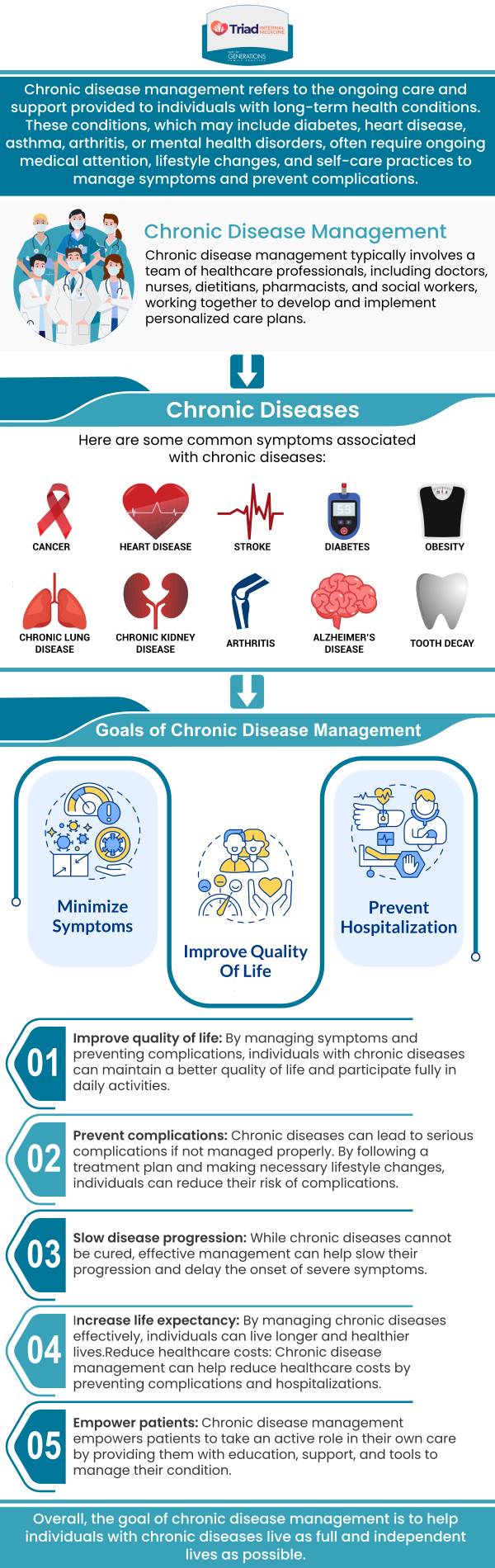
Navigating a long-term health condition can often feel like a full-time job, but effective chronic disease management guidance can transform the experience from one of reactive struggle to a proactive, manageable journey. Whether you are newly diagnosed or looking to refine your current care approach, understanding the intersection of clinical expertise and your own daily habits is essential for maintaining your quality of life. This guide is designed to empower you with the tools needed to coordinate a specialized healthcare team, integrate modern technology into your routine, and prioritize your mental and physical well-being. By focusing on personalized health guidance and evidence-based lifestyle adjustments, you can take control of your health trajectory. Throughout this article, we will explore how to build a resilient support system, sharpen your health literacy, and navigate the complexities of modern medical systems to ensure you receive the most effective care for your unique needs.
1. Comprehensive Frameworks for Chronic Disease Management Guidance
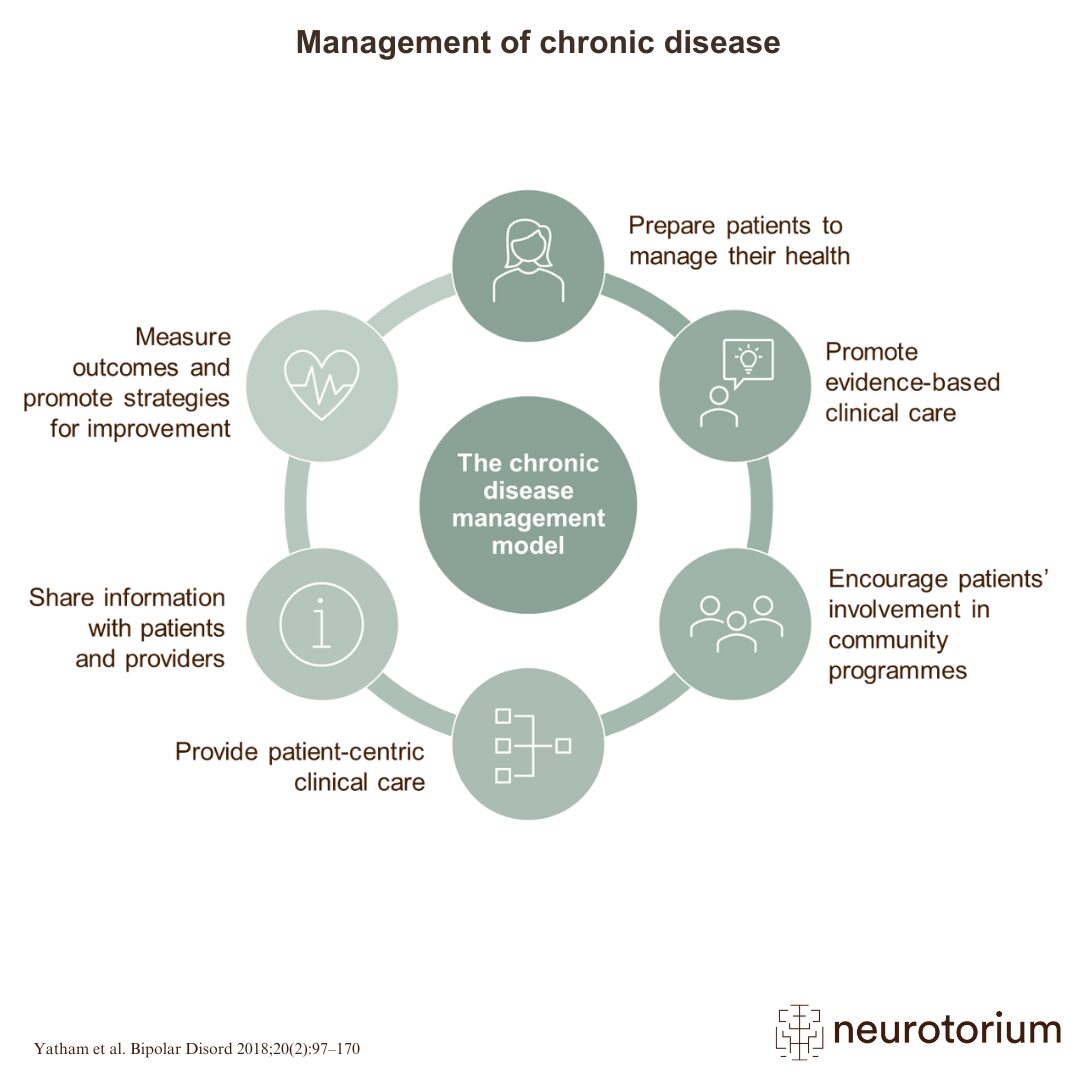
1.1 Understanding the Chronic Care Model and Integrated Health
1.1.1 Defining Chronic Conditions and Long-Term Health Trajectories
Chronic conditions are broadly defined as health issues that persist for one year or more, requiring ongoing medical attention and limiting activities of daily living. Whether you are navigating cardiovascular disease, diabetes, or autoimmune disorders, recognizing that these conditions are not static events is the first step toward effective management. Every patient follows a unique health trajectory, meaning your needs will evolve as the disease progresses or responds to treatment. By viewing your health through a long-term lens, you can move away from short-term crisis management and toward a sustainable personalized health guidance framework that respects your changing physical and emotional requirements.
1.1.2 The Shift from Reactive Treatment to Proactive Self-Management
Modern medicine is transitioning from a purely reactive model—where care is sought only when symptoms flare—to a proactive, patient-empowered approach. This shift places you at the center of your care plan, turning you into an active participant rather than a passive recipient of medical advice. Proactive self-management involves consistent monitoring, early identification of triggers, and the routine application of preventive strategies. By staying ahead of potential complications, you improve your baseline quality of life and minimize the frequency of urgent interventions.
1.2 Building and Coordinating Your Specialized Healthcare Team
1.2.1 Optimizing Primary Care and Specialist Collaboration
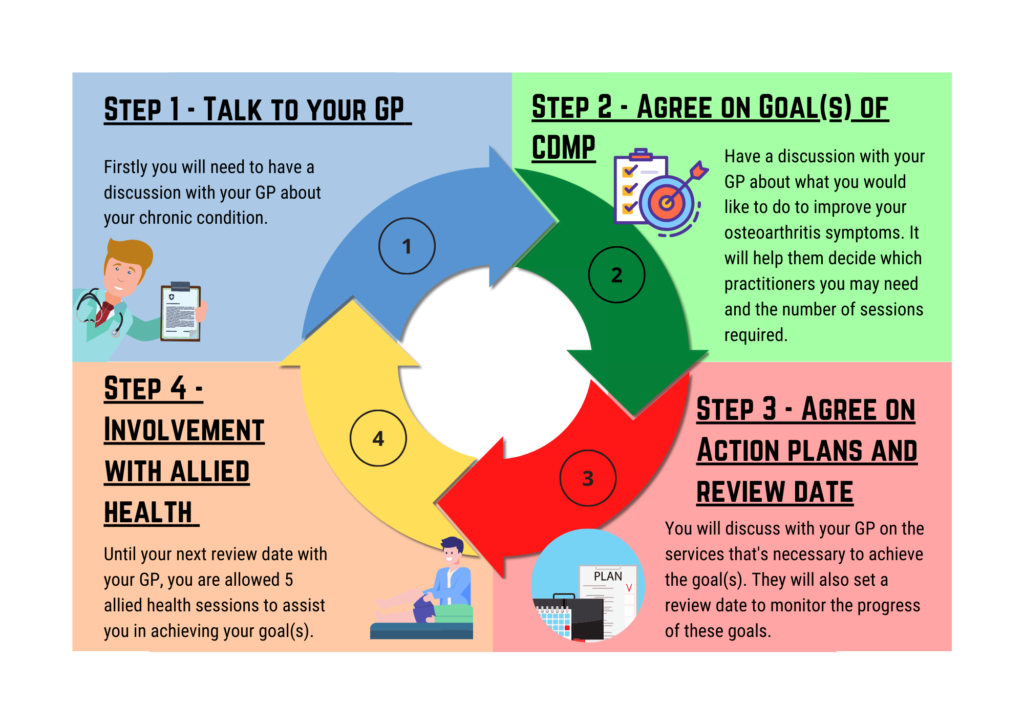
Managing complex health needs often requires a multidisciplinary approach. Your primary care physician serves as the anchor, but coordinating seamlessly with specialists is essential to avoid fragmented care. It is vital to ensure that every member of your team has a clear view of your entire health history. Requesting that your specialists provide detailed progress notes to your primary doctor ensures that medication changes or diagnostic findings are unified under one cohesive strategy.
1.2.2 Maximizing Patient Portals and Standardized Health Record Tracking
Digital tools are now your greatest ally in maintaining clinical transparency. Modern patient portals allow you to track lab results, vaccination status, and specialist consultation summaries in one place. By consistently reviewing these records, you can catch discrepancies early and ensure that your health data is accurate. Maintaining a personal, standardized health record provides you with an objective reference point that you can share with new providers, reducing the risk of errors and duplicative testing.
1.2.3 Best Practices for Preparing for Consultations and Symptom Reporting
Time with medical providers is often limited, so preparation is key. Before any appointment, draft a concise list of your current symptoms, any recent changes in medication, and a short list of three primary questions you need answered. Using a symptom log or a tracking app can help you provide your physician with concrete data rather than vague descriptions, allowing for more precise adjustments to your treatment plan.
1.3 Leveraging Technology and Financial Resources for Sustainable Care
1.3.1 Utilizing Wearable Tech and Remote Patient Monitoring Data
Wearable technology has revolutionized chronic disease management by providing real-time data on heart rate, glucose levels, and activity patterns. When shared with your clinical team, this remote patient monitoring data provides a more accurate picture of your daily health than a clinical exam ever could. These devices empower you to see how your lifestyle choices directly influence your biometric markers, creating a feedback loop that encourages healthier daily decisions.
1.3.2 Strategic Approaches to Telehealth and Insurance Navigation
Telehealth has eliminated many of the physical barriers to receiving consistent care, especially for follow-ups and routine symptom check-ins. To maximize your insurance coverage, familiarize yourself with your provider’s network and the specific billing codes for chronic management programs. Understanding your policy’s nuances regarding preventive services and digital health consultations can prevent unexpected costs and ensure you maintain uninterrupted access to the care you need.
1.3.3 Financial Planning for Long-Term Medical Expenses and Coverage
Long-term care is an investment. Sustainable management requires proactive financial planning, which includes understanding your out-of-pocket maximums, deductibles, and the coverage limitations of your plan. Reviewing your insurance statements regularly and proactively engaging with hospital billing advocates can help you navigate the complexity of medical expenses. When you have a clear understanding of your financial landscape, you remove a significant layer of stress, allowing you to focus your energy entirely on your health journey.
2. Implementing Lifestyle and Psychological Strategies for Better Health
Managing a long-term health condition requires more than just clinical appointments; it demands a proactive approach to your daily routine. By integrating evidence-based lifestyle medicine coaching into your life, you can significantly influence your disease trajectory, symptom severity, and overall well-being. This shift toward self-management empowers you to become an active participant in your care rather than a passive recipient of treatment.
2.1 Evidence-Based Daily Management Pillars
Effective chronic disease management relies on small, consistent actions that build a foundation for stability. Success starts with mastering these core pillars:
2.1.1 Medication Adherence Strategies and Managing Potential Interactions
Consistency is the primary driver of treatment efficacy. Use digital reminders, pill organizers, or pharmacy synchronization programs to stay on track. Because many chronic patients manage multiple prescriptions, it is critical to keep an updated medication list to monitor for potential drug-drug or drug-nutrient interactions. Always verify new supplements with your healthcare team to avoid unintended side effects.
2.1.2 Nutritional Interventions as Clinical Support for Specific Conditions
Nutrition serves as powerful, non-invasive clinical support. Rather than following generic diet fads, work with a registered dietitian to identify specific nutrient requirements tied to your condition—such as blood sugar stabilization for diabetes or heart-healthy fats for cardiovascular disease. For practical guidance on aligning your diet with your clinical needs, explore our preventive medicine lifestyle interventions guide.
2.1.3 Designing Sustainable Movement and Physical Activity Routines
The goal of movement is sustainability, not intensity. Start by incorporating low-impact activities like walking, swimming, or restorative yoga, which can improve mobility and reduce inflammation without placing undue stress on the body. Gradual progression is key; focus on establishing a habit that you can maintain long-term.
2.1.4 The Vital Role of Sleep Hygiene in Symptom Regulation
Sleep is when your body performs essential repair work. Poor sleep quality exacerbates pain, triggers inflammation, and lowers emotional resilience. Establish a strict sleep schedule, minimize blue light exposure before bed, and ensure your environment is cool and dark to regulate your circadian rhythm and manage chronic symptoms effectively.
2.2 Addressing the Emotional and Behavioral Aspects of Chronic Illness
Living with a persistent health issue takes an emotional toll, making mental health a non-negotiable component of your care strategy.
2.2.1 Identifying and Managing Chronic Illness Burnout and Mental Health
Recognizing the signs of “patient burnout”—such as feeling overwhelmed, frustrated, or disconnected from your treatment goals—is vital. Acknowledge these feelings as valid responses to the demands of illness. Regular check-ins with a therapist or counselor can provide a safe space to process these emotions and prevent mental exhaustion.
2.2.2 Applying Cognitive Behavioral Techniques for Stress Reduction
Stress triggers physiological responses that can worsen chronic symptoms. Techniques such as Cognitive Behavioral Therapy (CBT) help you identify and reframe negative thought patterns, allowing you to manage pain and anxiety more effectively by shifting how you perceive daily stressors.
2.2.3 Developing Robust Social Support Systems and Community Connections
Isolation can hinder your health journey. Engage with support groups—online or in-person—where you can share experiences with those who understand your specific challenges. Building a community around your health needs provides not only encouragement but also practical advice for navigating daily hurdles.
2.2.4 Setting Sustainable Goals to Improve Quality of Life
Focus on small, achievable wins that improve your day-to-day life rather than just clinical markers. Whether it is increasing your step count by five minutes or successfully organizing your health records, these incremental goals foster a sense of agency and empowerment.
2.3 Frequently Asked Questions
2.3.1 Protocols for Updating Care Plans and Managing Treatment Overwhelm
When you feel overwhelmed, prioritize communication. Request a dedicated goal-setting meeting with your primary care team to streamline your treatment plan. Focus on the most critical tasks first and postpone non-urgent adjustments until you feel more stable.
2.3.2 Communicating Health Needs to Friends and Family Members
Be honest about your energy limits. Explain your condition using simple terms and clearly state how others can support you—whether that means helping with errands or simply providing emotional space during difficult symptom flare-ups.
2.3.3 Verifying Medical Information Through Reputable Healthcare Resources
Always prioritize information from verified institutional sources, academic medical centers, or your own specialist. Avoid making management changes based on social media trends or non-peer-reviewed health blogs.
2.3.4 Adapting Management Strategies Across Different Life Stages
Your health needs will shift as you age. Periodically review your lifestyle routines with your care team to ensure they remain appropriate for your current life stage, whether you are managing a career, retirement, or changing family responsibilities.
Effective chronic disease management guidance is more than just following a set of medical instructions; it is a dynamic, lifelong partnership between you and your healthcare team. By embracing patient-centered care coordination strategies and integrating lifestyle medicine into your daily routine, you move from simply reacting to symptoms to actively shaping your health trajectory. Remember that building your medical expertise, prioritizing mental well-being, and utilizing the right technological tools are all vital components of long-term health resilience.
Empowerment begins with your ability to navigate the healthcare system with confidence and clarity. As you continue your journey, utilize resources like this personalized health guidance roadmap to stay organized and informed. Whether you are adjusting your medication routine or refining your movement goals, consistency and self-advocacy are your greatest allies. You do not have to manage these conditions alone; by building a support network and staying connected to reputable evidence-based information, you can maintain a high quality of life. Take the time to revisit your care plans regularly, celebrate your small wins, and remain proactive in advocating for your needs at every stage of your health journey.