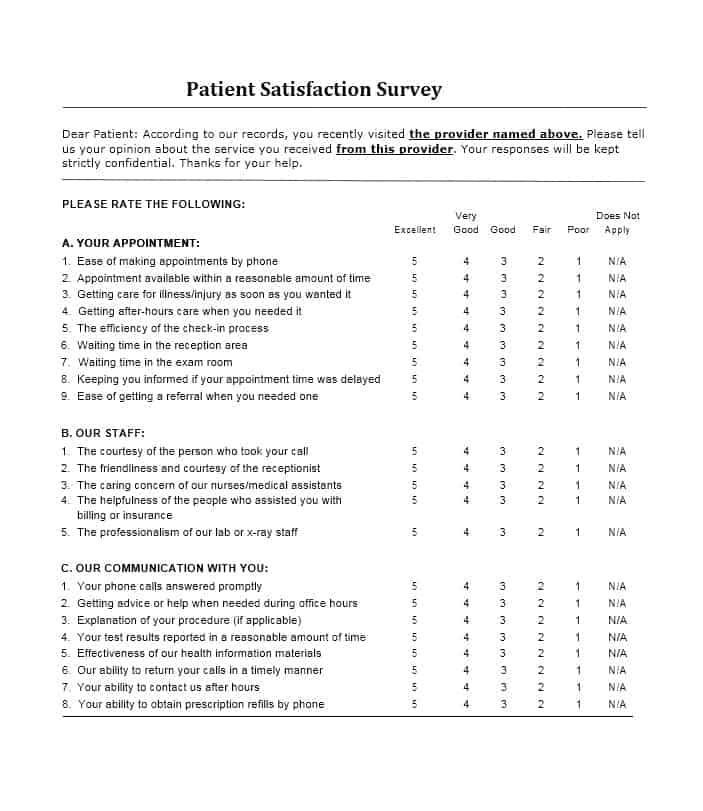

In the modern medical landscape, the patient experience is no longer secondary to clinical outcomes; it is a fundamental pillar of excellence. Effectively managing healthcare facility feedback has become a vital strategy for administrators and providers who aim to deliver high-quality care while maintaining a competitive edge. By actively listening to the voices of those they serve, medical centers can identify critical gaps in their processes, address underlying operational inefficiencies, and foster deeper trust within their communities. Understanding how to collect, interpret, and act upon this input is essential for elevating medical service quality and ensuring that every patient feels heard and valued.
In this guide, we will explore the methodologies for building a responsive feedback infrastructure that goes beyond simple metrics. You will learn how to design surveys that provide actionable insights, cultivate a transparent organizational culture, and leverage data to drive sustainable improvements. By prioritizing patient-provider communication efficacy, facilities can transform raw patient sentiment into meaningful enhancements that benefit both staff and those seeking treatment. For a broader understanding of how these assessments shape institutional success, you can refer to our detailed guide on clinic feedback analysis and its impact on patient satisfaction.
1. Developing a Robust Infrastructure for Healthcare Facility Feedback
Establishing an effective framework for collecting patient insights is the cornerstone of modern clinical excellence. By moving beyond reactive measures, facilities can create a systematic approach to healthcare facility feedback that captures the nuances of the patient experience. This infrastructure requires a careful balance between standardized, industry-wide metrics and localized, real-time data collection methods.
1.1 Selecting Appropriate Data Collection Methodologies
1.1.1 Implementing Standardized Tools Like HCAHPS
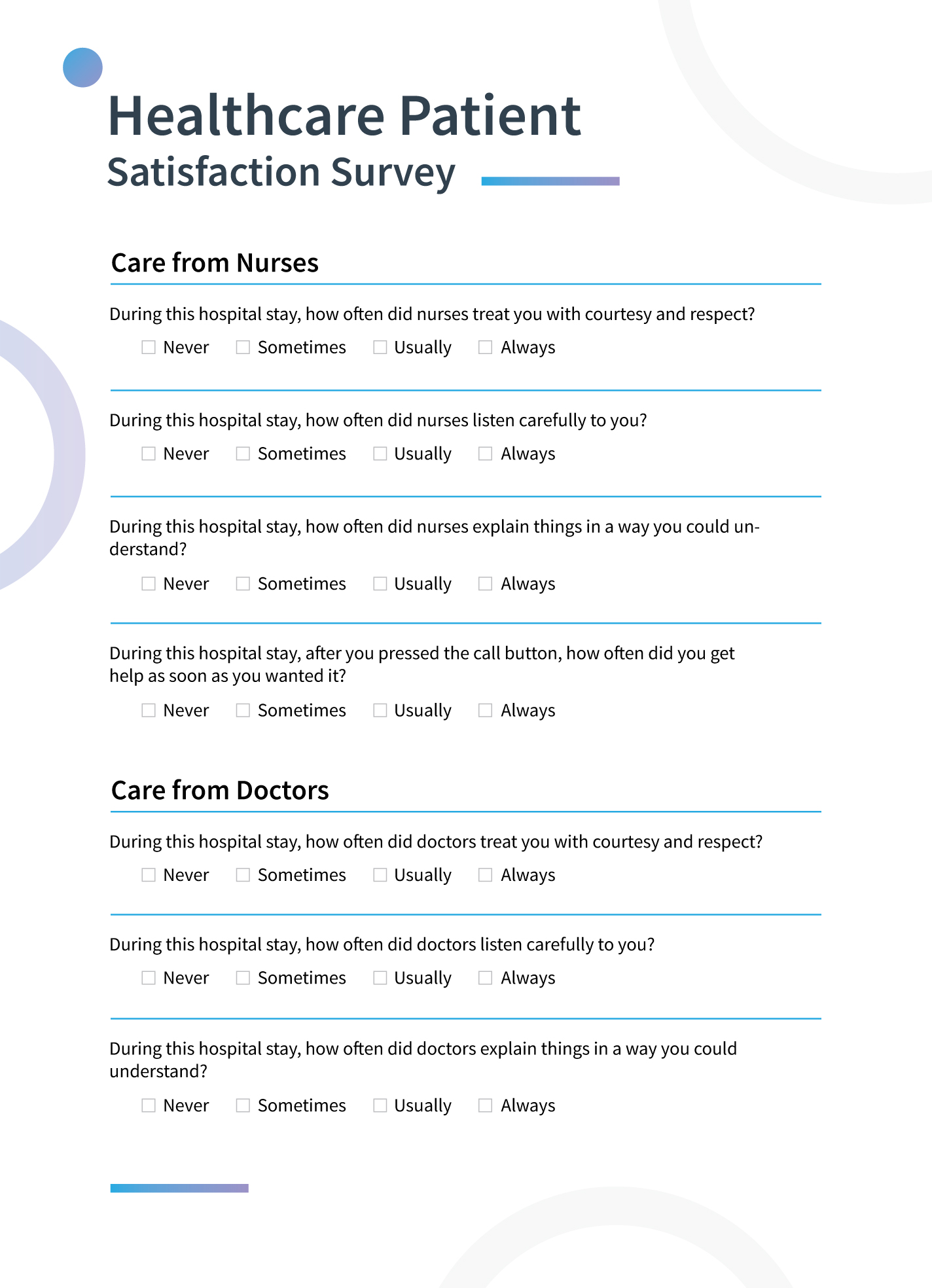
Standardized tools such as the Hospital Consumer Assessment of Healthcare Providers and Systems (HCAHPS) provide a necessary benchmark for performance. These instruments allow facilities to compare their patient satisfaction ratings against national averages, ensuring that quality standards remain aligned with broader industry expectations. Relying on validated surveys ensures that the data collected is reliable and statistically significant.
1.1.2 Utilizing Real-Time Digital Feedback Systems
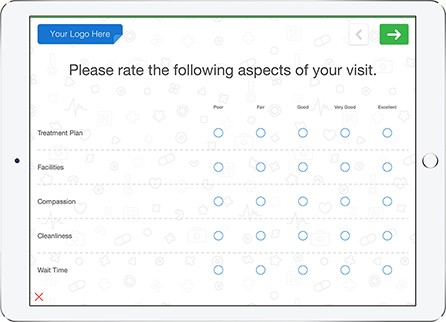
While standardized surveys are vital, they often suffer from significant lag times. Integrating real-time digital feedback systems—such as post-visit SMS inquiries or tablet-based kiosks—allows leadership to address operational issues immediately. This agility is crucial for medical service quality improvement, as it captures the patient’s perspective while the details of their care are still fresh.
1.1.3 Conducting Qualitative Interviews and Focus Groups
Numbers do not always tell the full story. Qualitative methods, including structured patient interviews and focus groups, offer deep dives into the emotional and procedural aspects of care. These sessions often uncover underlying barriers to patient-provider communication efficacy that quantitative surveys might overlook, providing a more human-centered view of the facility’s culture.
1.2 Designing Surveys That Minimize Bias and Maximize Response Rates
1.2.1 Techniques for Creating Concise and Actionable Questions
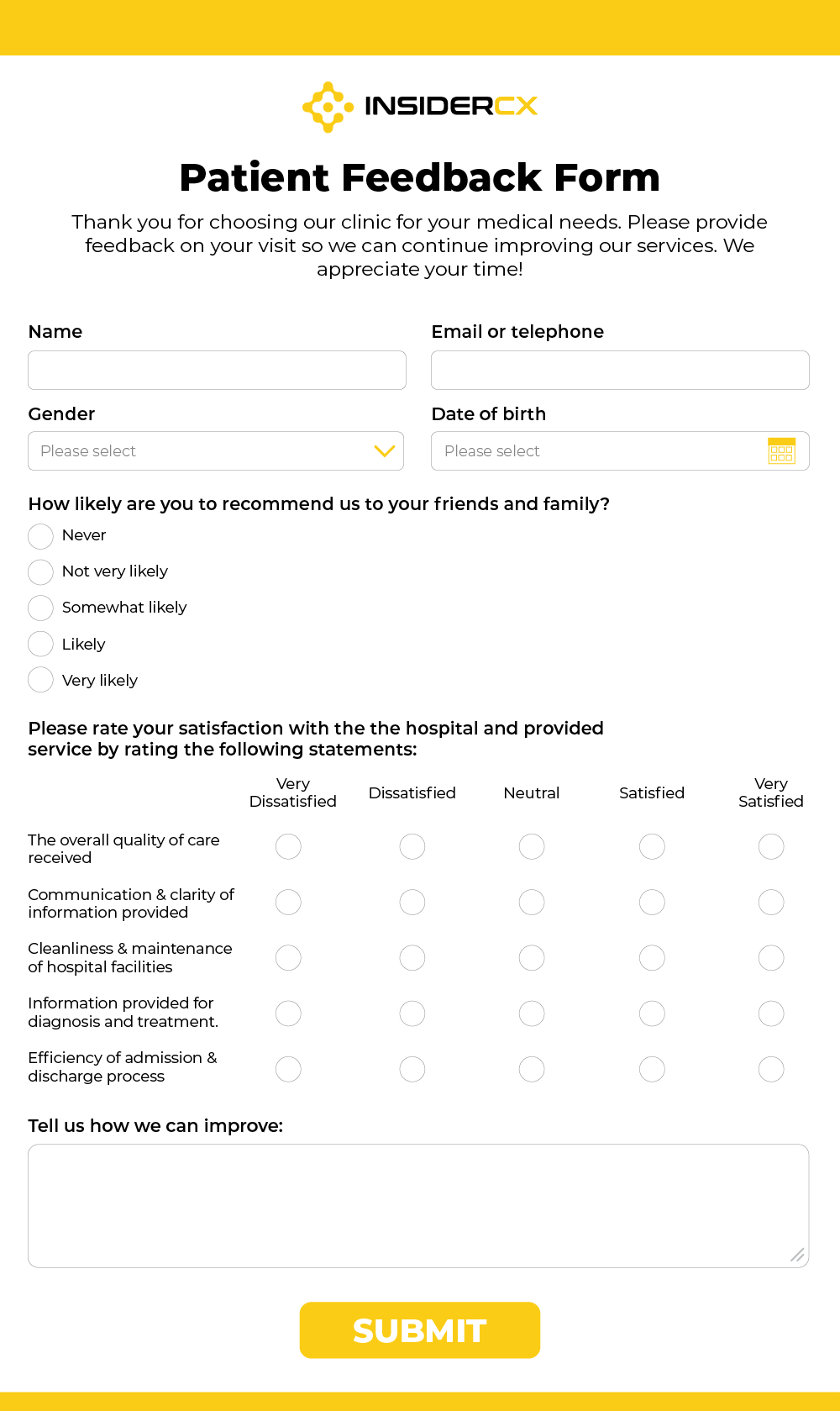
To maximize participation, surveys must respect the patient’s time. Using short, clear questions that focus on specific touchpoints—such as wait times, clarity of discharge instructions, or staff empathy—increases the likelihood of completion. When questions are directly tied to specific operational workflows, they yield more actionable insights for management.
1.2.2 Avoiding Leading Language in Clinical Surveys
The integrity of feedback data relies on neutrality. Survey designers should strictly avoid leading language that encourages a specific response, such as “How helpful was our nursing staff?” Instead, neutral inquiries like “How would you rate the responsiveness of the nursing staff?” produce more honest, objective data that reflects the true patient experience.
1.3 Cultivating an Organizational Culture Receptive to Patient Input
1.3.1 Establishing Non-Punitive Environments for Staff
For feedback to be a tool for growth rather than a source of anxiety, it must be handled in a non-punitive manner. When staff members view patient comments as opportunities for improvement rather than performance threats, they are more likely to support the collection process and engage with the findings.
1.3.2 Training Leadership to Promote Radical Transparency
Effective healthcare provider reputation management starts with leadership that values transparency. By sharing patient feedback openly with the entire team, leadership signals that every voice matters and that the institution is committed to a cycle of continuous learning and evolution based on patient needs.
1.4 Maintaining Compliance During Data Acquisition
1.4.1 Adhering to HIPAA Privacy Standards for Feedback Data
All feedback mechanisms must be strictly compliant with HIPAA regulations. Protecting patient identity is not only a legal requirement but a fundamental ethical obligation that sustains trust. Any data collection process must ensure that sensitive health information is never inadvertently exposed during the reporting cycle.
1.4.2 Ensuring Secure Storage and Anonymity for Patient Respondents
Beyond legal compliance, providing options for anonymous feedback encourages patients to be candid about their experiences. Secure, encrypted storage systems are essential to maintain the integrity of this data, ensuring that sensitive patient input remains confidential while still providing the granular insights necessary to improve overall care outcomes.
2. Transforming Healthcare Facility Feedback into Tangible Quality Improvements
2.1 Analyzing and Segmenting Patient Data for Strategic Insights
Collecting data is only the first step; the true value lies in how a facility interprets this information to drive meaningful change. To move beyond surface-level metrics, organizations must embrace a more nuanced approach to data analytics.
2.1.1 Moving Beyond Net Promoter Scores to Sentiment Analysis
While Net Promoter Scores (NPS) offer a quick benchmark for patient loyalty, they often fail to capture the “why” behind the rating. By shifting toward advanced sentiment analysis, healthcare leaders can categorize open-ended comments into emotional and thematic buckets. This transition from quantitative snapshots to qualitative deep dives reveals the specific frustrations or joys patients experience, allowing for a more humanized understanding of the care journey.
2.1.2 Identifying Disparities Across Diverse Patient Demographics
Averages can often mask the unique needs of specific patient populations. If a facility relies solely on aggregate data, it risks overlooking systemic gaps in care for minority groups or patients with complex chronic conditions. Segmenting healthcare facility feedback by demographic factors—such as age, language proficiency, and socio-economic status—is essential for uncovering inequities. This granular focus ensures that quality improvement initiatives are inclusive and effectively serve the entire patient base.
2.1.3 Correlating Qualitative Feedback with Clinical Key Performance Indicators
The most effective strategy involves mapping patient sentiments directly against clinical outcomes. When subjective reports regarding bedside manner or wait times are correlated with objective medical service quality data, such as infection rates or readmission statistics, a clearer picture emerges. This alignment helps providers understand if perceived service failures correlate with clinical risks, providing a data-backed justification for operational shifts.
2.2 Implementing Operational Changes Based on Patient Perspectives
Turning insights into action requires a bridge between administrative data and the frontline. Without this connection, patient voices remain siloed, preventing actual service improvement.
2.2.1 Closing the Loop by Communicating Results to Frontline Staff
Transparency is vital for organizational growth. When staff members understand how their interactions directly impact patient satisfaction ratings, they are more likely to engage with quality improvement efforts. Regularly sharing de-identified, constructive feedback with nurses, technicians, and administrative teams ensures that the people responsible for delivering care are part of the solution, fostering a sense of shared responsibility.
2.2.2 Facilitating Collaborative Goal Setting with Clinical Teams
Quality improvement should not be a top-down mandate. Instead, leaders should facilitate collaborative workshops where clinical staff review recent patient feedback and co-create solutions. This participatory approach empowers teams to identify workflow bottlenecks and suggests practical, on-the-ground fixes that leadership might otherwise miss.
2.2.3 Applying Iterative Improvements to Workflow and Environmental Comfort
Small, iterative changes often yield the highest returns in patient perception. Whether it is refining the check-in process to reduce wait times or updating facility signage to improve navigation, minor adjustments can significantly enhance the clinical environment. By treating these changes as experiments—testing a solution, measuring the feedback, and adjusting again—facilities can foster a culture of continuous optimization.
2.3 Utilizing Advanced Technology and Long-Term Strategies
To sustain improvements, facilities must move away from reactive fixes and toward proactive, technology-driven management systems.
2.3.1 Leveraging Artificial Intelligence and Natural Language Processing for Trend Detection
Modern healthcare provider reputation management now relies on the power of Artificial Intelligence. Natural Language Processing (NLP) tools can scan thousands of patient reviews and survey responses in seconds, flagging recurring complaints or emerging praise that would be impossible for a human team to track manually. This allows for real-time adjustments before a minor issue becomes a systemic crisis.
2.3.2 Engaging Patients as Partners in Facility Policy Redesign
The most successful healthcare providers view their patients as stakeholders in their own care model. By establishing patient advisory councils, facilities can invite real-world feedback on new policies, communication protocols, or facility designs. This collaboration builds trust and ensures that administrative decisions align with the actual preferences of the people they serve.
2.3.3 Establishing Recurring Performance Audits for Sustainable Growth
Quality improvement is not a one-time project; it is a permanent commitment. Establishing recurring performance audits ensures that the facility maintains its standards over time. Integrating these audits with clinical service evaluation protocols creates a robust feedback loop, keeping the organization accountable to its patients and focused on long-term clinical excellence.
Ultimately, healthcare facility feedback is more than just a metric for administrative review; it is the heartbeat of a patient-centered care model. By establishing a robust infrastructure for collecting input—ranging from standardized surveys to real-time digital insights—facilities can bridge the gap between clinical intent and the actual patient experience. When leadership treats this data not as a static score, but as a dynamic tool for operational improvement, they pave the way for higher standards of care and more resilient institutional growth.
Transforming these insights requires more than just listening; it demands a cultural commitment to transparency and the willingness to act on the stories patients share. Whether you are addressing patient-provider communication efficacy or optimizing environmental comfort, your efforts directly influence long-term reputation and, more importantly, patient outcomes. As you continue to refine your processes, remember that every piece of feedback is an opportunity to cultivate trust and demonstrate a genuine commitment to excellence. If you are looking to deepen your understanding of how these metrics translate into practice, you can explore our resources on medical service quality and how to evaluate patient feedback to ensure your facility remains a leader in modern healthcare delivery.