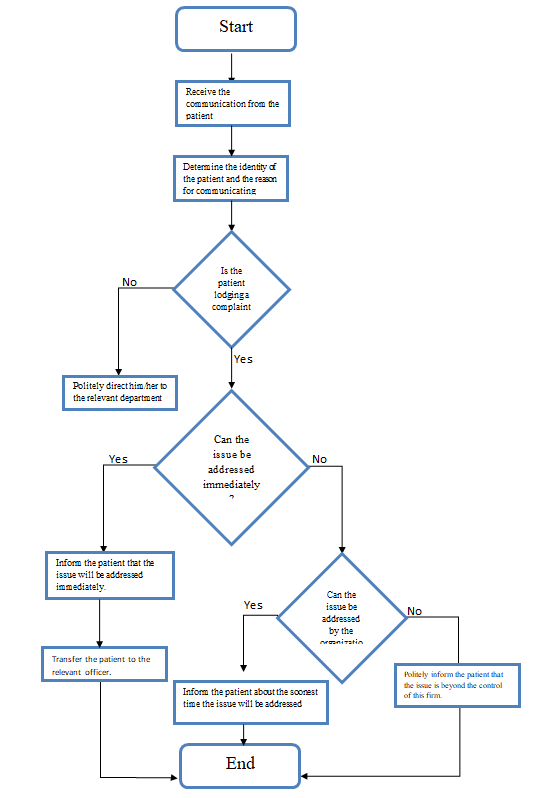

In the complex landscape of modern healthcare, patient feedback is an invaluable asset rather than a burden. A well-defined clinic patient complaint resolution process is essential for maintaining trust, ensuring regulatory compliance, and upholding the high standards of care that patients expect. When a patient feels dissatisfied, their primary goal is often simply to be heard and understood; failing to address these concerns effectively can lead to fragmented care and diminished patient loyalty. By implementing a proactive, transparent, and empathetic approach to grievance management, clinics can transform negative experiences into opportunities for meaningful improvement.
In this guide, we will explore the essential components of a robust resolution strategy. You will learn how to categorize different types of feedback, implement documentation protocols that adhere to legal standards, and utilize service recovery frameworks to restore the patient-provider relationship. Whether you are looking to refine your current protocols or build a new foundation for quality care, this guide provides the actionable insights necessary to foster a culture of excellence and accountability in your medical facility.
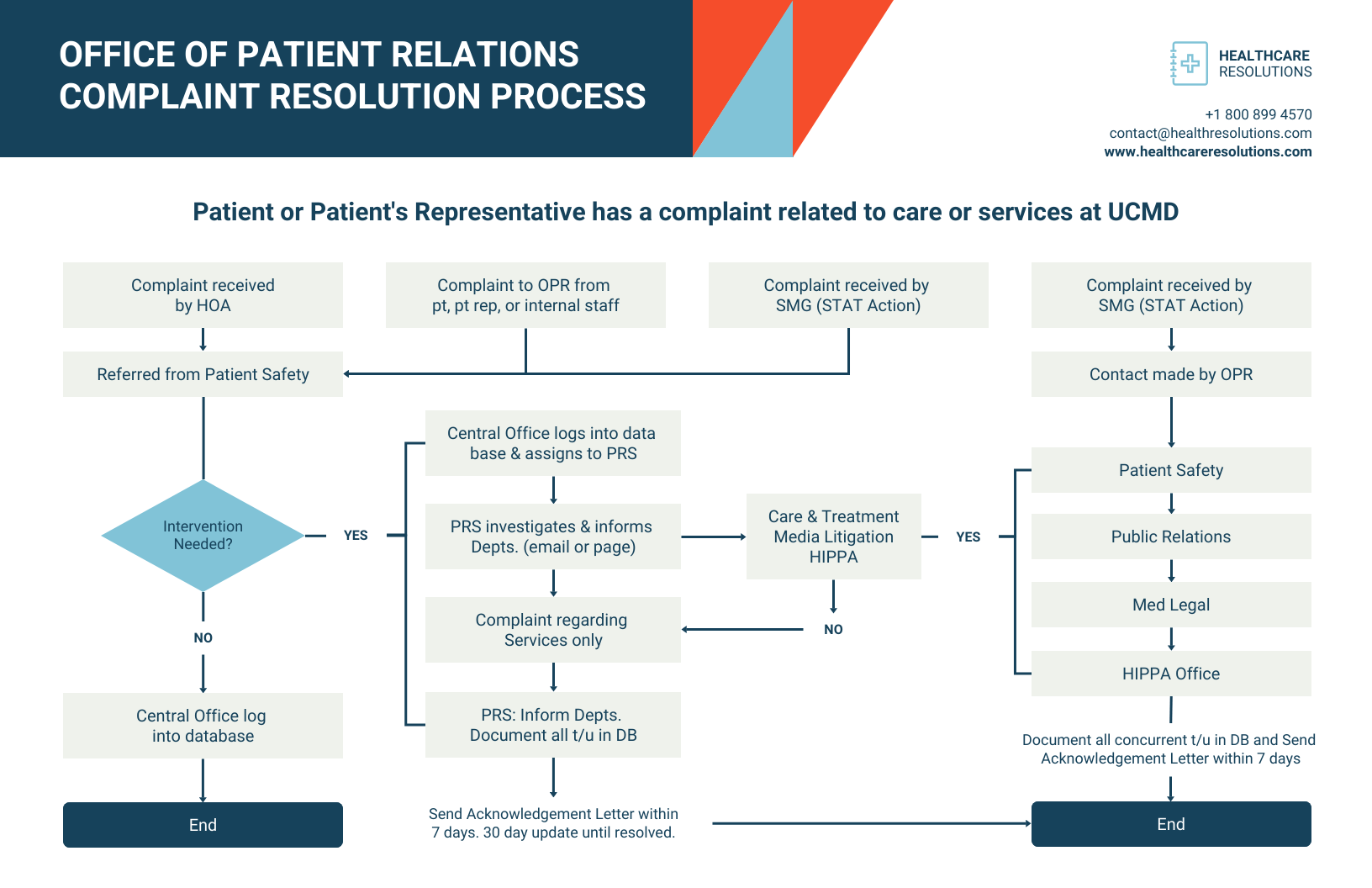
1. Developing a Standardized Clinic Patient Complaint Resolution Process
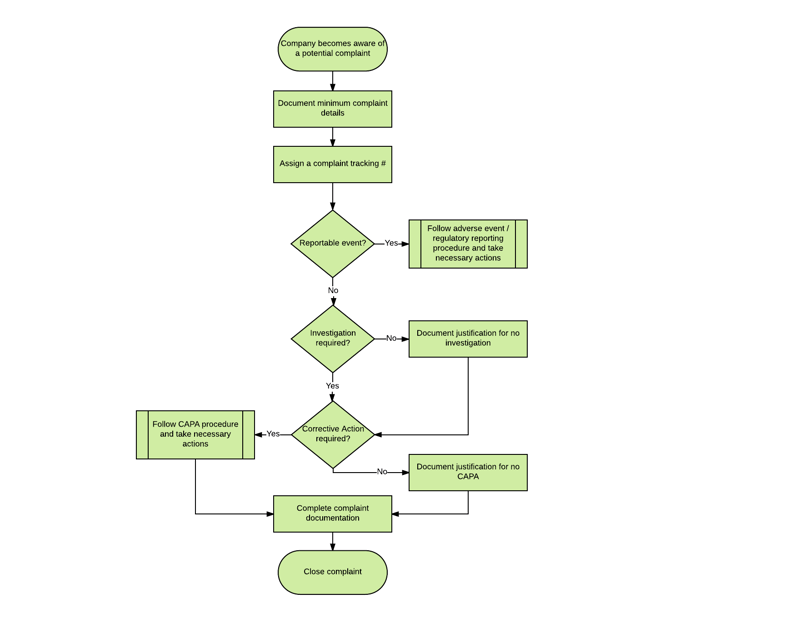
1.1 The Lifecycle of a Patient Grievance
1.1.1 Categorizing Clinical Versus Administrative Complaints
To effectively manage feedback, clinics must first distinguish between clinical concerns—which involve diagnostic accuracy, treatment efficacy, or bedside manner—and administrative complaints, such as billing discrepancies, scheduling delays, or facility cleanliness. By properly categorizing these issues, leadership can assign the correct subject-matter experts to lead the investigation, ensuring that clinical quality concerns are addressed with the medical scrutiny they require while operational friction points are resolved through administrative policy updates.
1.1.2 Identifying Early Warning Signs of Patient Dissatisfaction
Proactive clinics often identify issues before they escalate into formal grievances. Subtle indicators of dissatisfaction include frequent last-minute cancellations, non-compliance with follow-up treatment plans, or uncharacteristic silence during consultations. When staff are trained to monitor these behaviors, they can intervene early, opening a dialogue that addresses unmet expectations before the patient feels the need to lodge a formal complaint.
1.1.3 The Psychological Impact of Feeling Unheard in a Clinical Setting
The patient experience is deeply tied to emotional safety. When a patient feels ignored or dismissed, the resulting frustration often compounds the stress of their medical condition. Recognizing that a grievance is frequently a bid for validation rather than just a request for remediation is vital. By prioritizing empathetic engagement, clinics can prevent the erosion of trust that often leads to patient attrition.
1.2 Establishing a Structured Intake and Investigation Framework
1.2.1 Implementing HIPAA-Compliant Documentation Protocols
All complaints must be recorded in a centralized, secure system. Proper patient feedback documentation standards ensure that sensitive health information remains protected while providing a clear audit trail for quality assurance. This documentation should capture the nature of the complaint, the parties involved, and the steps taken toward resolution.
1.2.2 The Role of Patient Advocates in Impartial Review
For complex cases, involving a patient advocate provides an objective layer of oversight. Advocates act as intermediaries who ensure the investigation remains unbiased, protecting the clinic from perceptions of favoritism and ensuring that the patient feels their concerns were treated with professional impartiality.
1.2.3 Techniques for De-escalation and Active Listening
Frontline staff should be proficient in de-escalation techniques, such as the use of “reflective listening” to signal to the patient that they have been heard. By validating the patient’s experience without necessarily admitting fault immediately, staff can lower the emotional intensity of the interaction, creating a collaborative environment for problem-solving.
1.3 Service Recovery and Systematic Resolution Strategies
1.3.1 Applying the HEART Framework for Frontline Staff
The HEART framework—Hear, Empathize, Apologize, Respond, and Thank—serves as a robust tool for consistent service recovery. When staff are empowered to follow this sequence, they provide patients with a predictable, respectful experience even when things go wrong, which is essential for effective medical service recovery protocols.
1.3.2 Determining Appropriate Remedies for Service Failures
Remedies should be proportionate to the issue. An administrative error may require a simple apology and a corrected invoice, whereas a clinical service failure may necessitate a formal review board discussion or an offer for a secondary opinion. The goal is always to restore the relationship by showing that the clinic takes the patient’s health and time seriously.
1.3.3 Best Practices for the 48-Hour Follow-Up Loop
Closing the loop within 48 hours is a industry best practice for maintaining patient trust. Even if a final resolution has not been reached, reaching out to provide a status update prevents the patient from feeling abandoned, demonstrating that their concern is being actively managed at the leadership level.
1.4 Navigating Legal and Ethical Complexities
1.4.1 Managing Apologies Without Creating Liability Risks
It is entirely possible to express sincere regret for a patient’s poor experience without admitting legal negligence. Staff should be coached to focus on the patient’s feelings and their commitment to service excellence, keeping communications centered on care improvements rather than legal liability.
1.4.2 Balancing Transparency with Risk Management Policies
While transparency is a pillar of modern healthcare, it must be balanced with patient privacy and risk management. Clinics should have clear internal guidelines on what information can be shared with a complaining patient, ensuring that communication remains compliant with federal and state regulations.
1.4.3 When to Escalate to Legal Counsel or Insurance Carriers
When a complaint involves allegations of medical malpractice, severe injury, or significant ethical breaches, the process must pivot to legal counsel. Early involvement of risk management or insurance partners protects the clinic’s interests and ensures that high-stakes grievances are handled according to strict regulatory mandates.
2. Leveraging the Clinic Patient Complaint Resolution Process for Quality Improvement
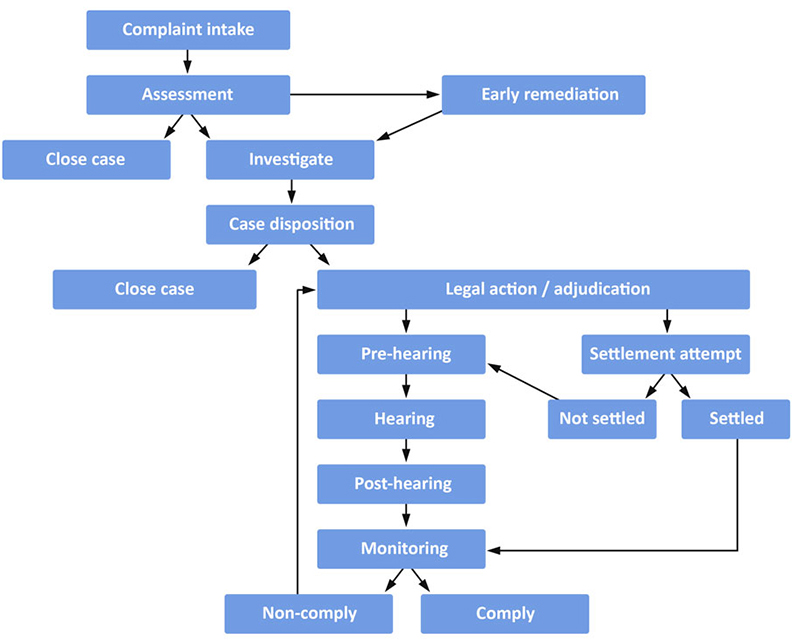
A robust clinic patient complaint resolution process is more than a damage-control mechanism; it is a vital engine for organizational growth. By treating grievances as data points rather than obstacles, clinic leaders can identify systemic weaknesses that would otherwise remain hidden until they impact patient safety or retention. Transforming these moments of tension into structured improvements is the hallmark of a resilient healthcare organization.
2.1 Using Complaint Data for Root Cause Analysis
To move beyond surface-level fixes, clinics must treat every complaint as an opportunity for root cause analysis. This involves peeling back the layers of a reported issue to identify the underlying failure in clinical or administrative workflows.
2.1.1 Identifying Recurring Systemic Friction Points
Often, complaints—such as long wait times or confusing billing—are symptoms of deeper operational friction. By aggregating feedback into centralized tracking systems, leadership can identify patterns. If multiple patients report issues with the same desk staff or a specific diagnostic bottleneck, it suggests a training gap or a faulty workflow rather than an isolated personality clash.
2.1.2 Integrating Patient Feedback into Quality Assurance Meetings
Patient feedback must be a permanent agenda item in monthly quality assurance meetings. When clinicians and administrators review these complaints alongside patient-reported outcome measures, the organization gains a holistic view of the patient experience. This ensures that clinical excellence is measured not just by medical results, but by the patient’s perception of care delivery.
2.1.3 Turning Qualitative Complaints into Actionable Clinical Improvements
Qualitative data provides the “why” behind patient dissatisfaction. Translating these narratives into action requires setting specific quality goals. For example, if recurring complaints highlight poor communication during discharge, the clinic might standardize the discharge paperwork and mandate a brief teach-back session for all nursing staff, effectively closing the loop on a known vulnerability.
2.2 Training and Empowering Healthcare Staff
Staff are the primary point of contact during a complaint, making their training in service recovery essential to the clinic’s success.
2.2.1 Cultivating a Psychological Safety Culture for Incident Reporting
Staff members are often hesitant to report incidents that involve their peers. Leadership must foster an environment of psychological safety where reporting a service failure is viewed as a contribution to patient safety rather than an admission of failure. When staff feel safe, they are more likely to provide the honest context needed to improve systems.
2.2.2 Designing Role-Specific Conflict Resolution Training
Conflict resolution training should be tailored to the specific roles within the clinic. While a receptionist needs mastery in de-escalation for waiting room disputes, a provider requires communication techniques to handle clinical disagreements or dissatisfaction with treatment plans. Role-specific training ensures that every team member feels prepared to address concerns professionally.
2.3 Measuring Success Through Key Performance Indicators
Quantifying the success of your resolution process is essential for benchmarking and long-term planning.
2.3.1 Tracking Average Resolution Time and Complaint Trends
Key performance indicators should include the average time taken to resolve a grievance and the volume of complaints categorized by department. A decreasing trend in specific categories suggests that the interventions being implemented are effective, while stable or rising trends indicate that deeper systemic changes are required.
2.3.2 Utilizing Net Promoter Scores to Evaluate Post-Resolution Loyalty
A resolved complaint is a unique opportunity to build trust. By issuing a brief, targeted survey following a resolution, clinics can track Net Promoter Scores (NPS) specifically among those who had a negative experience. High NPS scores post-resolution serve as an indicator that the clinic successfully turned a critic into a loyal patient.
2.3.3 Strategies for Converting Resolved Grievances into Positive Testimonials
When a complaint is handled with empathy and efficiency, it demonstrates a commitment to patient-centered care. Patients who feel heard and validated are often willing to share their positive experience with the resolution process. These stories of responsiveness can be powerful tools in rebuilding a brand’s reputation.
2.4 Frequently Asked Questions for Clinic Leadership
2.4.1 Differentiating Between Informal Complaints and Formal Grievances
Informal complaints are usually resolved on the spot, such as an apology for a minor delay. Formal grievances are documented in the patient’s permanent file and typically involve a structured investigation. Distinguishing between the two allows leadership to allocate administrative resources appropriately while maintaining a paper trail for significant clinical issues.
2.4.2 Effective Management of Anonymous Patient Feedback
Anonymous feedback is invaluable for capturing honest sentiment, even if the lack of identity makes individual resolution impossible. Clinics should look for consistent themes within anonymous data to detect underlying issues without the pressure of specific resolution, using this information to inform broader process improvements.
2.4.3 Navigating Public Responses on Social Media Platforms
When complaints appear on public platforms, the priority is to move the conversation offline immediately. A standard, empathetic public response—inviting the patient to contact a specific manager or patient advocate—shows the public that the clinic is responsive and professional without violating patient privacy or escalating the conflict in an open forum.
Implementing a robust clinic patient complaint resolution process is more than an administrative necessity; it is a fundamental pillar of patient-centered care. By viewing grievances as opportunities for growth rather than mere obstacles, your clinical team can transform negative experiences into powerful moments of service recovery. From adopting structured documentation protocols to fostering a culture of radical transparency, every step you take toward resolving concerns strengthens the trust between your providers and the communities they serve.
As you refine your internal standards, remember that the goal is to shift from reactive firefighting to proactive quality improvement. Tracking trends in patient feedback allows you to pinpoint systemic friction points, ultimately leading to higher retention rates and better clinical outcomes. If you are looking to further refine your standards for quality, our guide on healthcare quality benchmarks provides the necessary framework to help your practice achieve consistent excellence. Ultimately, an effective resolution strategy ensures that every patient feels heard, respected, and valued throughout their entire healthcare journey.