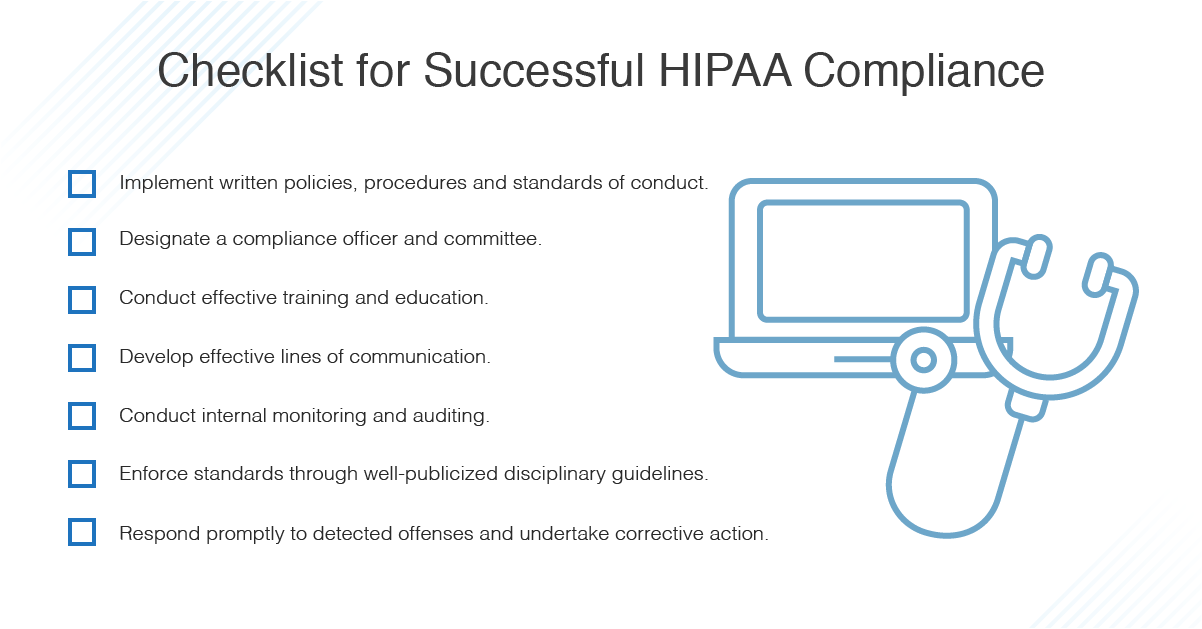

When you visit a doctor or share details about your medical history, you are placing immense trust in the hands of your healthcare provider. Understanding patient privacy protection standards is essential for anyone seeking medical care in the United States, as these regulations dictate how your sensitive information is collected, stored, and shared. Whether you are navigating a routine checkup or managing a chronic condition, knowing how your data is shielded provides the peace of mind necessary to maintain open, honest patient-provider communication efficacy. This guide will walk you through the essential frameworks—from federal laws to digital security best practices—designed to keep your personal health information confidential. You will learn how to exercise your legal rights, identify potential security risks in our modern, connected environment, and determine the appropriate steps to take if you ever feel your privacy has been compromised by a clinic or digital platform.
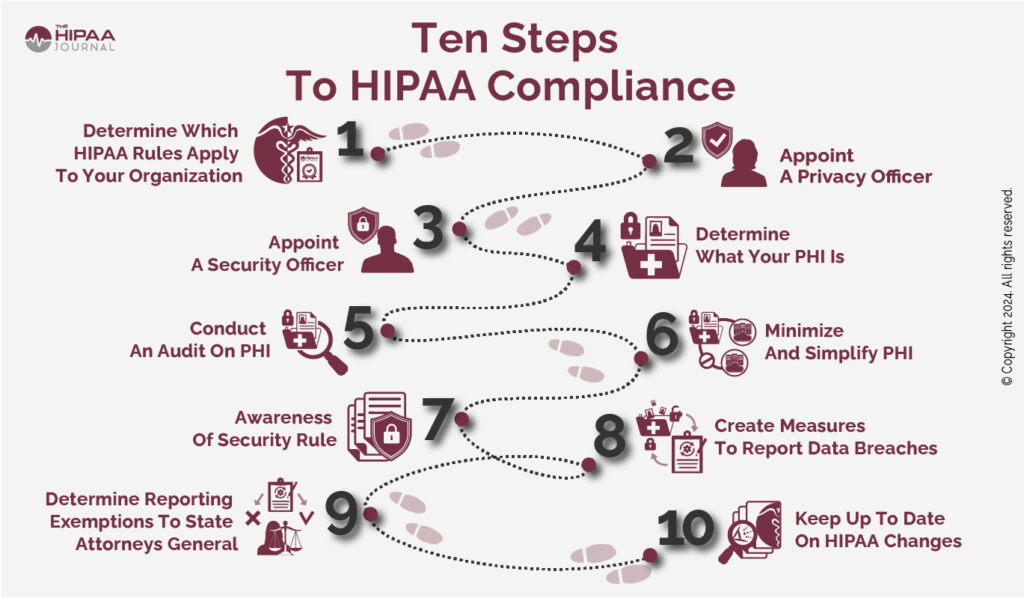
2. Enhancing Patient Privacy Protection Standards in the Digital Era
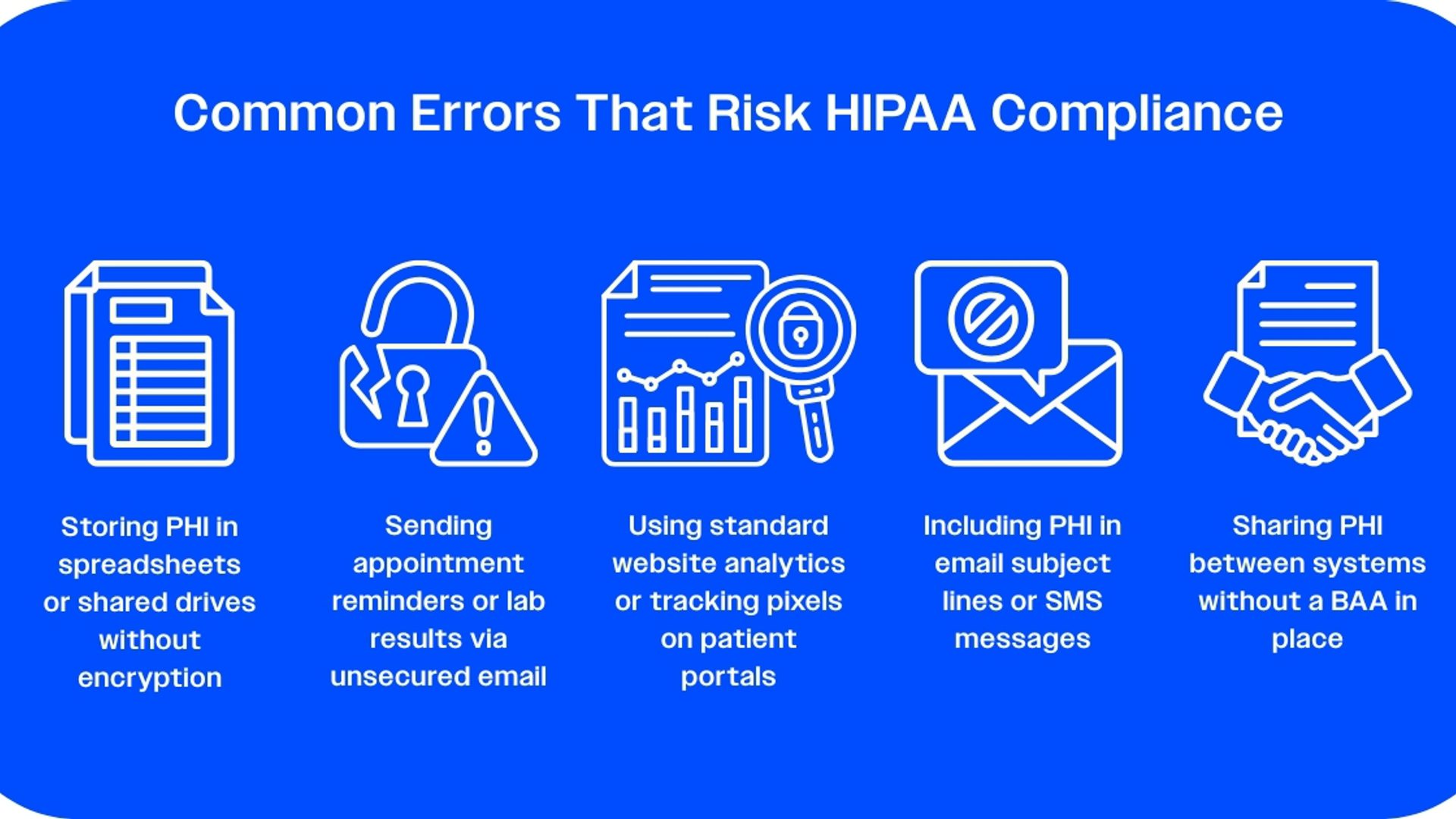
2.1 Securing Digital Health Communications and Portals
In our increasingly connected world, protecting your medical information requires a proactive approach to healthcare data security protocols. While digital tools offer convenience, they also introduce vulnerabilities that patients must navigate carefully. Modern clinics prioritize these standards to ensure your sensitive health data remains shielded from unauthorized access.
2.1.1 Risks associated with unencrypted email and text messaging
Many patients prefer the speed of standard email or SMS for communicating with their providers. However, these channels are generally not secure. Information sent via unencrypted email can be intercepted, much like a postcard moving through the mail. Because these messages often contain sensitive diagnoses or treatment plans, they are prime targets for data breaches. Always verify that your clinic uses a secure messaging system, which provides the encryption necessary to safeguard your private conversations.
2.1.2 Best practices for managing patient portal access and passwords
The patient portal is your most secure gateway for accessing medical records and communicating with your care team. To maintain this security, treat your portal credentials with the same caution you use for your online banking. Use complex, unique passwords, and enable multi-factor authentication (MFA) whenever it is offered. Regularly auditing your account activity helps you catch any suspicious access attempts early. If you feel that your current clinic’s digital interface lacks the necessary clarity, referencing a guide on healthcare facility transparency can help you understand how they manage your digital footprint.
2.2 Managing Privacy for Health Apps and Wearable Technology
The boundary between clinical healthcare and consumer technology is blurring. While your smartwatch tracks your heart rate, that data may not be subject to the same rigorous protections as the information in your doctor’s electronic health record (EHR).
2.2.1 Distinguishing between clinical EHR data and consumer app data
Clinical EHR data is strictly governed by federal law, ensuring your physician maintains confidentiality. Conversely, many consumer-facing fitness apps operate under privacy policies that grant them broader leeway. It is essential to read the “fine print” of these applications to see if your health data is being sold to third parties or used for targeted advertising.
2.2.2 Understanding how fitness data can be shared for marketing
Aggregated health data is highly valuable for advertisers. Some applications may share your anonymized activity levels or sleep patterns with partners. While this is often framed as “improving user experience,” it is vital to remember that once your data leaves a clinical environment, your control over it decreases significantly. Be mindful of the permissions you grant to these third-party applications.
2.3 Responding to Potential Privacy Breaches
Despite robust defenses, privacy breaches can occur. Recognizing the signs of a violation and knowing your next steps is a critical component of patient-provider communication efficacy.
2.3.1 Steps to identify and report unauthorized data access
If you notice suspicious activity in your medical records, such as an unfamiliar procedure or a change in your history that you did not authorize, contact your healthcare provider’s privacy officer immediately. Request an “accounting of disclosures” to see who has accessed your information and why.
2.3.2 Filing official complaints with the Office for Civil Rights (OCR)
If a clinic fails to address a privacy concern or if you suspect a significant breach of your HIPAA rights, you have the legal standing to file a formal complaint with the U.S. Department of Health and Human Services Office for Civil Rights (OCR). This is a formal, regulated process designed to hold institutions accountable for their security failures.
2.3.3 Evaluating signs of medical identity theft and remediation steps
Medical identity theft occurs when someone uses your personal information to obtain medical services or file fraudulent insurance claims. Warning signs include receiving bills for services you never received or finding unexpected diagnoses in your health insurance summary. If you suspect theft, contact your insurance provider immediately and monitor your credit reports for any sign of financial irregularities stemming from the breach.
Understanding patient privacy protection standards is more than just a regulatory necessity; it is the cornerstone of a healthy and trusting relationship with your healthcare providers. By familiarizing yourself with your rights under HIPAA and recognizing the essential healthcare data security protocols that clinics must implement, you can take a proactive role in safeguarding your sensitive information. Remember, effective medical care relies on open dialogue, which only flourishes when you feel confident that your health records are handled with the highest level of care and discretion.
Transparency is a two-way street. If you ever feel that your data has been mishandled or your privacy compromised, knowing how to follow the proper clinic grievance procedure empowers you to hold facilities accountable. As technology continues to evolve, staying informed about how digital health portals and personal devices interact with your medical data will remain a critical skill. By prioritizing these protections, you ensure that your medical history remains private, secure, and focused on what truly matters: your long-term health and well-being.