

The quality of a patient’s experience is fundamentally shaped by the rapport they build with their care team. While clinical expertise is the bedrock of medicine, physician bedside manner evaluation has emerged as a vital metric for assessing the overall standard of care. It is no longer enough for practitioners to simply diagnose and treat; modern healthcare demands that providers foster trust, demonstrate empathy, and maintain open lines of dialogue. When clinics prioritize these interpersonal elements, they often see a measurable improvement in patient satisfaction ratings and long-term health adherence.
In this guide, we will explore the essential frameworks for measuring and refining these crucial interaction skills. From decoding non-verbal cues to implementing evidence-based communication protocols, you will learn how to turn patient feedback into actionable growth. By focusing on these human-centered skills, medical professionals can bridge the gap between technical clinical success and a truly supportive, patient-first care environment that enhances the effectiveness of every encounter.
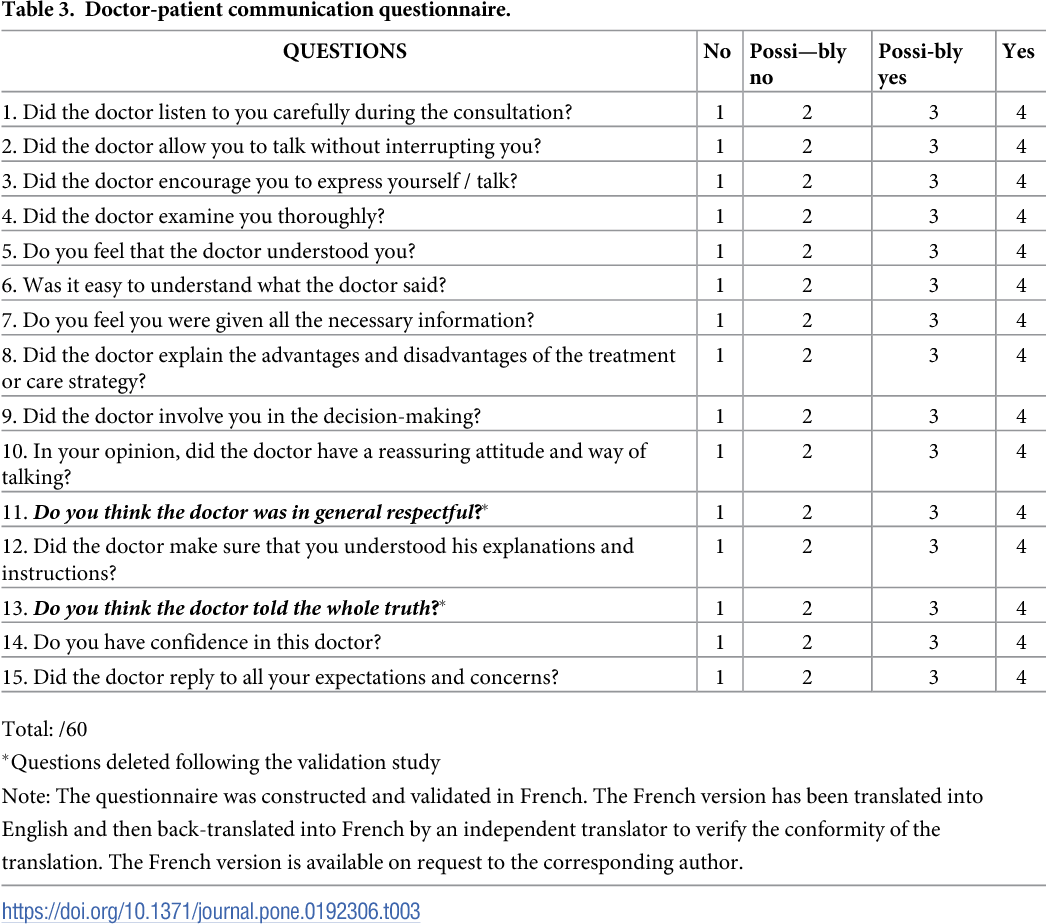
1. Comprehensive Frameworks for Physician Bedside Manner Evaluation
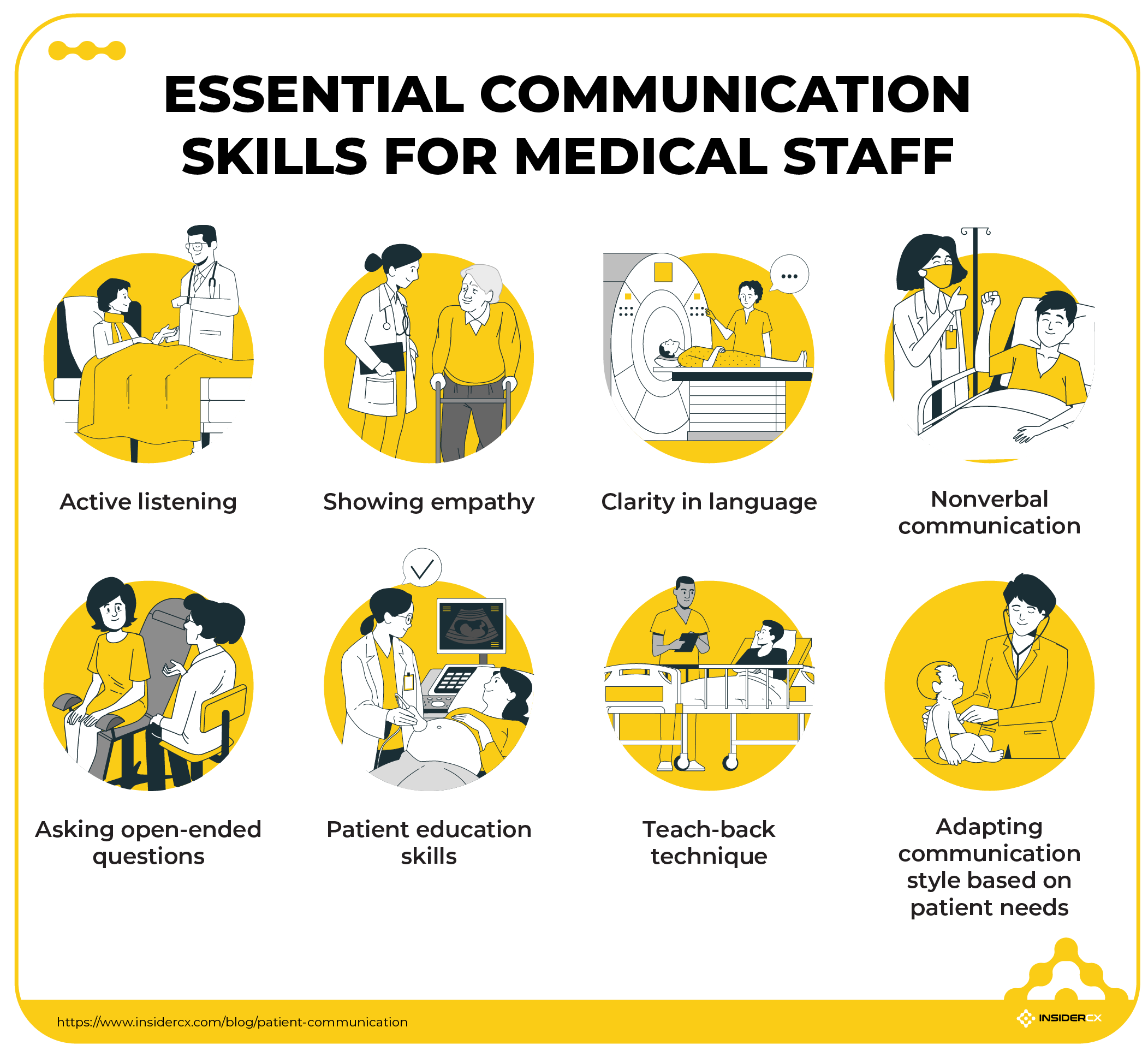
A structured approach to physician bedside manner evaluation is essential for moving beyond subjective impressions toward objective, actionable data. By formalizing how clinical rapport is assessed, healthcare organizations can identify specific strengths and areas for improvement, ultimately elevating the standard of care provided to every patient.
1.1 Defining and Measuring Clinical Rapport
1.1.1 Distinguishing Empathetic Engagement from Clinical Sympathy
While often conflated, empathy and sympathy represent fundamentally different approaches in the exam room. Clinical sympathy involves feeling for the patient, which can occasionally lead to emotional burnout. In contrast, empathetic engagement is a professional skill set characterized by the active attempt to understand the patient’s perspective without losing clinical objectivity. Measuring this distinction requires evaluating whether the provider acknowledges the patient’s emotional state—such as fear or frustration—while remaining focused on identifying evidence-based solutions.
1.1.2 Assessing Non-Verbal Cues and Physical Presence in the Exam Room
Non-verbal communication, often called the “hidden curriculum” of clinical interactions, plays a massive role in patient trust. Evaluation frameworks must account for physical presence, such as eye contact, body positioning, and the use of touch. Providers who sit at eye level rather than standing demonstrate a willingness to listen, which significantly impacts patient perception. Assessment tools that track these behaviors help providers recognize when their physical habits might inadvertently signal impatience or detachment.
1.1.3 Evaluating Active Listening Efficacy and Information Retrieval
Patient-provider communication efficacy is largely determined by the provider’s ability to extract accurate information through active listening. This involves techniques like summarizing patient statements to ensure clarity and utilizing open-ended questions. Evaluating this skill requires observing whether the clinician allows the patient to express their primary concerns before shifting to diagnostic questioning, a practice that reduces premature closure and missed diagnoses.
1.2 Standardized Metrics and Self-Assessment Techniques
1.2.1 Utilizing HCAHPS Scores and Patient Satisfaction Surveys for Growth
Quantitative data, such as HCAHPS (Hospital Consumer Assessment of Healthcare Providers and Systems) scores, provide a benchmark for how patients perceive their care experience. However, these scores should be viewed as a starting point for improvement rather than just a performance ranking. By analyzing low-scoring domains, physicians can target specific communication gaps. For further insights on how these metrics influence institutional standards, refer to Patient Satisfaction Ratings: A Guide to Choosing Care.
1.2.2 Implementing Daily Self-Reflection Frameworks Post-Encounter
Self-reflection is perhaps the most powerful tool for individual growth. By dedicating a few minutes at the end of a shift to analyze challenging encounters, physicians can identify personal triggers and communication pitfalls. A simple reflection model—what went well, what was missed, and what could be handled differently next time—builds the habit of continuous improvement without the pressure of a formal peer review.
1.2.3 Leveraging Peer Observation and Mentorship Models for Skill Refinement
External perspective is vital, as clinicians often possess blind spots regarding their own communication style. Mentorship models allow junior or senior physicians to observe one another in real-time. This low-stakes environment encourages open dialogue regarding bedside manner, providing immediate feedback that is often more nuanced and helpful than data from standardized surveys.
1.3 Navigating Communication in Modern Healthcare Environments
1.3.1 Balancing Electronic Health Record Documentation with Human Connection
The ubiquity of the Electronic Health Record (EHR) often creates a physical and cognitive barrier between doctor and patient. Mastering the “computer-on-wheels” requires the ability to document while maintaining intermittent eye contact. Effective providers treat the screen as a shared resource, turning it toward the patient to review lab results or imaging together, thereby transforming documentation from a distraction into a collaborative educational tool.
1.3.2 Adapting Communication Styles for Telehealth and Remote Consultations
Remote care necessitates an evolution in non-verbal techniques. Without the ability to use proximity or touch, clinicians must rely on deliberate pacing, vocal tone, and clear visual alignment with the camera. Evaluating bedside manner in a digital space focuses on whether the provider maintains a steady, encouraging presence that bridges the physical distance created by technology.
1.3.3 Developing Cultural Humility to Address Diverse Patient Expectations
Effective bedside manner is not one-size-fits-all. Cultural humility requires an ongoing commitment to self-evaluation regarding one’s own biases and an openness to learning about the patient’s cultural background. An effective evaluation of these interactions looks at whether the provider adjusts their approach to honor the patient’s beliefs, communication preferences, and expectations regarding the decision-making process.
2. Implementing Advanced Strategies to Improve Physician Bedside Manner Evaluation Outcomes
Enhancing clinical performance requires a systematic approach that moves beyond intuitive interaction toward evidence-based practice. By integrating specific communication frameworks, providers can move toward more consistent and high-quality quality of care assessments, ensuring that every patient encounter is both therapeutic and efficient.
2.1 Evidence-Based Communication Protocols for Improved Patient Care
Adopting structured communication models helps standardize the patient experience, reducing variability in care delivery. One of the most effective tools is the AIDET model—Acknowledge, Introduce, Duration, Explanation, and Thank—which provides a reliable script for initial patient contact. When clinicians consistently utilize AIDET, they set clear expectations, which significantly boosts patient satisfaction ratings.
Beyond basic introductions, the shift toward shared decision-making is vital for patient-provider communication efficacy. This approach involves presenting clinical evidence while respecting patient preferences, effectively transforming the exam room from a top-down information delivery site into a collaborative partnership. Furthermore, delivering sensitive news requires specialized training in clarity and compassion. Best practices involve using “ask-tell-ask” techniques—inquiring about what the patient knows, providing clear, concise information, and then checking for understanding to ensure emotional support is provided alongside the medical facts.
2.2 Strategies for Managing Complex and High-Stress Interactions
Even the most seasoned physicians encounter challenging encounters, such as patients who are hostile, anxious, or resistant to treatment plans. De-escalation techniques, such as active listening and acknowledging the patient’s underlying fears without necessarily agreeing with their tone, can transform a confrontational environment into a cooperative one.
Addressing patient non-compliance often benefits from motivational interviewing—a technique focused on uncovering the patient’s internal reasons for change rather than enforcing provider directives. This shift in power dynamics often yields better adherence results. Furthermore, the emotional labor of these encounters is a major driver of clinician burnout. By viewing the physician-patient relationship as a source of professional fulfillment rather than just a task-based burden, providers can protect their own well-being, which in turn preserves their ability to offer empathetic care.
2.3 The Link Between Bedside Excellence and Clinical Results
High-quality bedside manner is not just a soft skill; it is a measurable clinical intervention. When clinicians focus on building genuine rapport, they often observe improved treatment adherence and better health outcomes. Patients who feel heard and understood are statistically more likely to follow medication regimens and return for follow-up appointments.
From a risk management perspective, excellent communication serves as a protective layer. Data frequently suggests that medical malpractice claims are less likely when patients perceive high empathy and transparent communication from their care team. When providers prioritize the human element of medicine, they create an environment of transparency and trust, which fundamentally enhances the overall safety and success of the patient journey.
Mastering a physician bedside manner evaluation is more than an exercise in administrative compliance; it is a foundational pillar of modern, patient-centered medicine. By moving beyond subjective impressions and utilizing structured, evidence-based frameworks, clinicians can transform routine encounters into opportunities for healing and connection. As we have explored, the integration of patient satisfaction ratings and rigorous self-assessment techniques provides a roadmap for continuous professional development. When providers prioritize empathetic engagement, active listening, and shared decision-making, they not only improve the overall quality of care assessments but also foster a culture of trust that is essential for long-term health success.
Ultimately, the objective is to bridge the gap between clinical expertise and human interaction. Whether navigating complex diagnostic conversations or refining communication in a digital landscape, the goal remains clear: providing compassionate, clear, and effective care. If you are looking to elevate your practice standards, you can learn more about how to evaluate clinic quality through our comprehensive guide on patient clinic experiences. By consistently applying these principles, you ensure that every patient interaction contributes to better treatment adherence, increased safety, and, most importantly, improved clinical outcomes.