

In the modern clinical environment, the acquisition of new hardware is far more than a simple procurement task; it is a fundamental pillar of patient safety and operational success. Proper medical diagnostic equipment vetting is essential to ensure that every device integrated into your facility meets stringent regulatory standards while supporting the high-quality care your patients expect. From navigating complex compliance requirements to ensuring long-term hardware reliability, the vetting process directly influences your center’s ability to maintain a medical technology infrastructure assessment that remains both effective and future-proof.
This guide serves as a comprehensive roadmap for clinic administrators and medical directors. We will walk you through the critical steps of evaluating manufacturer reputation, conducting rigorous technical and regulatory validations, and planning for the total cost of ownership. By following these evidence-based strategies, your clinic can mitigate operational risks, safeguard patient data, and invest in diagnostic tools that provide accurate, timely results for years to come.

1. Strategic Framework for Medical Diagnostic Equipment Vetting and Supplier Selection
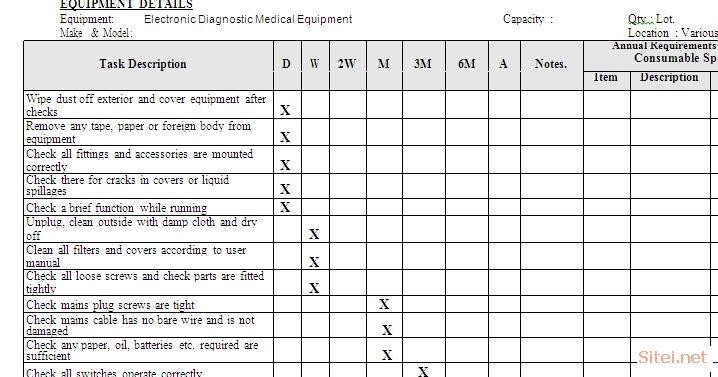
Effective medical diagnostic equipment vetting is more than a procurement task; it is a foundational element of clinical safety and operational success. By implementing a rigorous framework, clinic leadership can ensure that hardware investments align with long-term patient care goals while mitigating regulatory and financial risks.
1.1 Assessing Clinical Requirements and Facility Readiness
1.1.1 Analyzing Patient Demographic Trends and Volume Projections
Before vetting specific hardware, clinics must evaluate their patient population. Diagnostic throughput should be based on data-driven projections rather than guesswork. Understanding whether your facility serves an aging population requiring frequent imaging or a younger demographic focusing on preventative health allows for precise capacity planning. By mapping volume projections against current workflow bottlenecks, administrators can avoid purchasing underutilized high-end systems or, conversely, equipment that creates a queue—an issue often highlighted in waiting time metrics and scheduling efficiency strategies.
1.1.2 Evaluating Power, Space, and Infrastructure Compatibility
Modern diagnostic tools often demand specific environmental conditions. Beyond mere physical footprint, vetting must account for electrical load requirements, HVAC specifications for heat dissipation, and, if applicable, lead-shielding needs for radiation safety. Assessing infrastructure compatibility early prevents costly retrofitting projects that often follow hasty acquisitions.
1.2 Establishing a Robust Supplier Vetting Protocol
1.2.1 Verifying Manufacturer Reputation and Market Longevity
A supplier’s market presence serves as a proxy for product reliability. During the vetting process, prioritize manufacturers with a proven track record of support and innovation. Evaluate their history of equipment recalls, software update frequency, and the general consensus regarding their customer service. A stable, long-standing manufacturer is more likely to provide the parts and software patches necessary to maintain equipment utility over a decade-long lifecycle.
1.2.2 Analyzing Service Level Agreements and Emergency Support Protocols
In the event of a device failure, your clinic’s ability to maintain high standards of medical facility emergency preparedness depends on the responsiveness of your vendor. Scrutinize service level agreements (SLAs) for guaranteed technician response times and the availability of loaner equipment. Equipment that remains offline for extended periods directly undermines patient trust and clinical outcomes.
1.2.3 Confirming Logistics and Local Installation Capabilities
Logistics often represent a hidden complexity in procurement. Ensure the supplier has certified local installation teams who understand the specific regulatory environment of your region. A reputable supplier should manage the entire installation lifecycle, from coordinating freight delivery to the final calibration and initial clinical staff training.
1.3 Technical and Regulatory Validation Requirements
1.3.1 Confirming FDA Clearance and Institutional Compliance
Beyond standard certifications, ensure every device has appropriate FDA clearance for its intended use. Comprehensive clinic board certification verification processes should include checking that the equipment meets both federal mandates and your specific internal clinical quality standards. Non-compliant equipment can pose liability risks and complicate future accreditation efforts.
1.3.2 Assessing Data Interoperability with EHR and PACS Systems
In an era of connected health, a diagnostic tool is only as valuable as the data it produces. During vetting, test the interoperability of the equipment with your existing Electronic Health Records (EHR) and Picture Archiving and Communication Systems (PACS). Seamless integration is essential for reducing manual data entry errors and ensuring clinicians have immediate access to patient diagnostic results.
1.3.3 Evaluating Cybersecurity Standards and Software Longevity
Diagnostic hardware is now a primary vector for digital threats. Rigorous healthcare data security protocols must be a non-negotiable part of your vetting checklist. Ensure the device supports end-to-end encryption, multi-factor authentication for staff, and has a clear roadmap for future software security updates to protect sensitive patient information from emerging cyber threats.
2. Financial Planning and Long-Term Lifecycle Management
2.1 Conducting a Comprehensive Total Cost of Ownership Analysis
Effective medical diagnostic equipment vetting goes beyond the initial sticker price. A comprehensive Total Cost of Ownership (TCO) analysis is essential for maintaining fiscal health and ensuring your clinic remains sustainable. Many organizations fail to account for the “hidden” expenses that emerge throughout the hardware’s lifespan, which can significantly impact your budget.
2.1.1 Factoring in Consumables, Energy, and Maintenance Contracts
When calculating TCO, begin by quantifying the recurring costs of operation. High-performance diagnostic machines often require specialized consumables, such as proprietary reagents or imaging contrast agents, which can lead to vendor lock-in. Furthermore, evaluate the energy footprint of the device; heavy-duty hardware may necessitate electrical infrastructure upgrades, increasing your utility overhead. It is also vital to negotiate comprehensive maintenance contracts that include both preventative check-ups and emergency repairs. Relying on an “as-needed” repair model is often cost-prohibitive and leads to unacceptable clinical downtime.
2.1.2 Comparing Procurement Strategies: Leasing versus Capital Purchase
The choice between leasing and purchasing depends heavily on your facility’s cash flow and long-term strategy. A capital purchase offers lower costs over the equipment’s full life cycle and provides you with full asset ownership, which can be advantageous if you have the liquidity to handle upfront expenses. Conversely, leasing—particularly operating leases—allows for greater financial flexibility. It often includes modern support packages and makes it easier to upgrade hardware as new technologies emerge. When weighing these options, consider how your clinical operational excellence frameworks prioritize rapid technological adaptation versus long-term asset stabilization.
2.2 Ensuring Operational Excellence Post-Acquisition
Acquiring the equipment is merely the first step; the true value is realized through rigorous lifecycle management that ensures the hardware continues to perform reliably for years.
2.2.1 Developing Standard Operating Procedures for Staff Training
Diagnostic tools are only as effective as the clinicians operating them. Establish clear standard operating procedures (SOPs) that include tiered training programs. By ensuring your staff is proficient not only in daily operation but also in basic troubleshooting and sterilization protocols, you minimize the risk of human error and maximize the longevity of your hardware.
2.2.2 Structuring Preventative Maintenance and Calibration Schedules
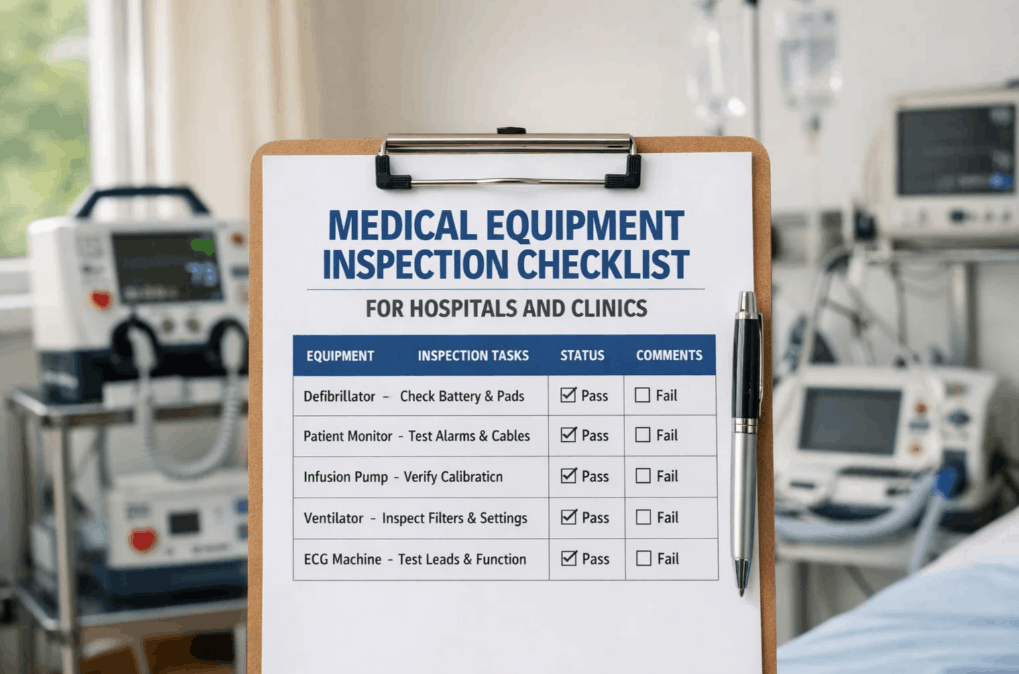
Routine calibration is non-negotiable for accurate diagnostics. Develop a centralized digital log to track maintenance intervals, ensuring all equipment meets regulatory calibration standards. Regular inspections prevent catastrophic failures that could disrupt patient flow or compromise safety.
2.2.3 Planning for End-of-Life Disposal and Equipment Resale Value
Proactive clinics plan for the eventual sunsetting of their diagnostic assets. Evaluate the resale value of your hardware early in the vetting process. When it is time to upgrade, secure a certified decommissioning plan that ensures all patient data is permanently erased and that the device is disposed of in accordance with environmental regulations.
2.3 Frequently Asked Questions Regarding Diagnostic Procurement
Navigating the complexities of medical procurement requires constant vigilance. Being prepared for common pitfalls is key to a successful investment.
2.3.1 Identifying Common Red Flags During Supplier Vetting
Watch for suppliers who lack transparent service level agreements or show hesitation when asked about cybersecurity certifications. Other red flags include poor response times during initial demonstrations and a lack of clear references from similar facilities.
2.3.2 Assessing the Risks and Benefits of Refurbished Equipment
Refurbished equipment can offer significant cost savings, provided it is sourced through an authorized manufacturer program. Ensure any used hardware comes with a documented history of maintenance and a factory-backed warranty to mitigate risk.
2.3.3 Ensuring Future-Proofing Against Digital Health Updates
To avoid premature obsolescence, verify that the device’s software architecture is modular and supports integration with emerging health informatics platforms. A device that cannot receive software updates or lacks interoperability will quickly become a liability in a modern, data-driven clinic.
Effective medical diagnostic equipment vetting is more than a procurement task; it is a foundational commitment to patient safety and operational integrity. By prioritizing a strategic framework that balances regulatory compliance, cybersecurity, and long-term lifecycle management, clinic leadership can ensure their facility remains resilient against both technical obsolescence and unforeseen clinical challenges. When your diagnostic technology is properly vetted, it doesn’t just improve day-to-day diagnostic accuracy—it bolsters your overall medical technology infrastructure assessment, creating a more reliable care environment for both patients and providers.
As you move forward with your procurement strategy, remember that the goal is to choose partners who view your clinic’s long-term success as their own. Whether you are navigating the complexities of data interoperability, evaluating emergency preparedness, or planning for end-of-life device disposal, the rigor you apply today will pay dividends in clinical outcomes and operational efficiency tomorrow. Take the time to audit your current vetting protocols, engage with your clinical leads, and invest in systems that align with your facility’s unique demographic and service needs. By choosing excellence in your hardware, you are ultimately strengthening the standard of care your patients expect and deserve.